Season 1
8 episodes Mar 11, 2026 7.5
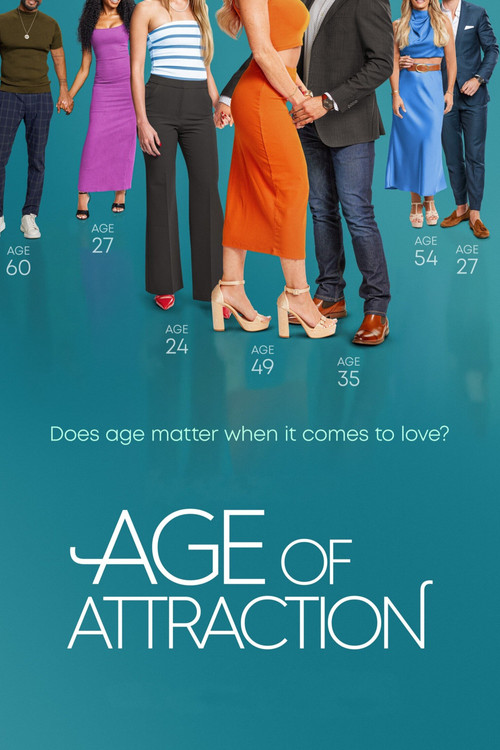
Age is thrown out the window when singles search for their soulmates. Is love truly ageless, or will the years come between them?
Latest episode: S1 E8 Commitment Day (Mar 25, 2026)

I’ll admit it: I came to Age of Attraction with the same skepticism I bring to any reality dating show. The premise—singles falling in love without knowing each other’s ages—sounded like a gimmick wrapped in a social experiment, the kind of thing that thrives on viral clips of gasps and gaslighting. But somewhere between the first awkward handshake and the third tearful breakdown, I found myself hooked.
Not because it’s good television (it isn’t, always), but because it’s uncomfortable television. And discomfort, when it’s honest, is where the real stories live.
The show’s central question—Is love truly ageless?—isn’t just a tagline. It’s a provocation. We live in a culture that polices desire with spreadsheets: the half-your-age-plus-seven rule, the "ick" of a 20-year gap, the quiet judgment reserved for women who date younger men. Age of Attraction bulldozes those calculations.
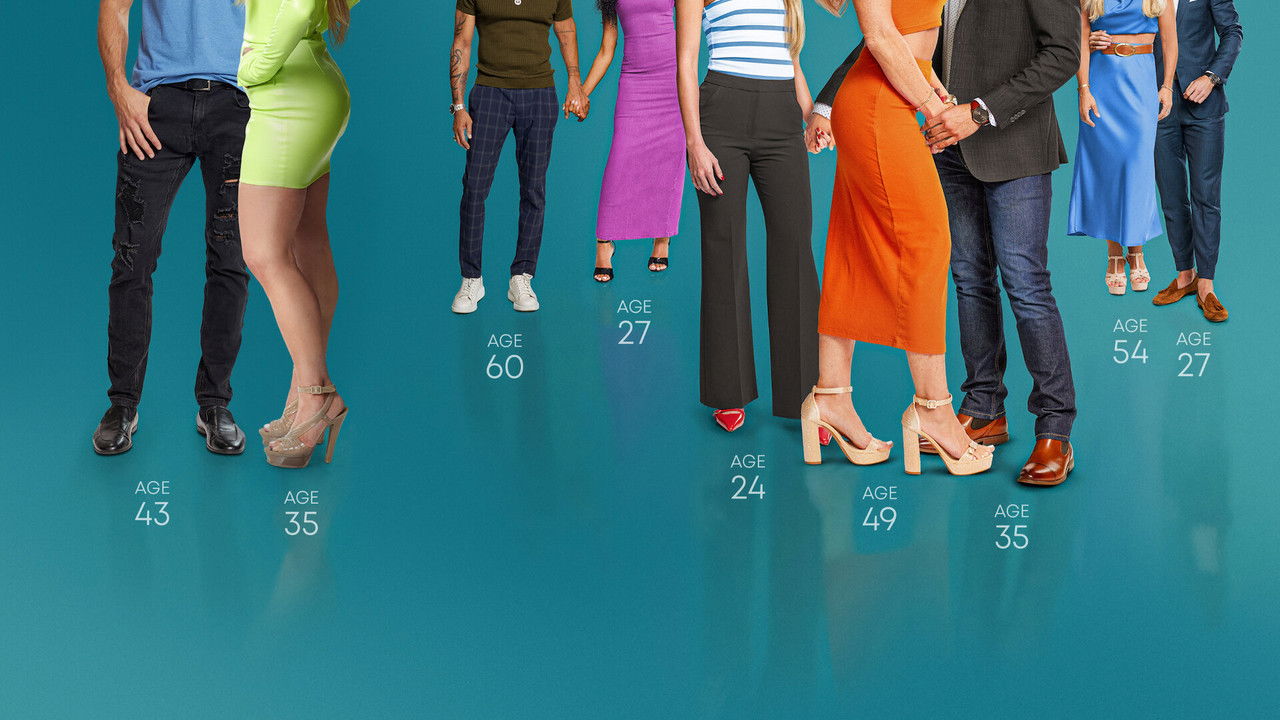
Here, a 60-year-old man slow-dances with a 27-year-old woman under string lights, their faces lit with the same tentative hope as a pair of college kids on a first date. The camera lingers on their hands—his veined, hers smooth—and for a moment, the age difference doesn’t matter. Then the reveal happens, and the room tilts.
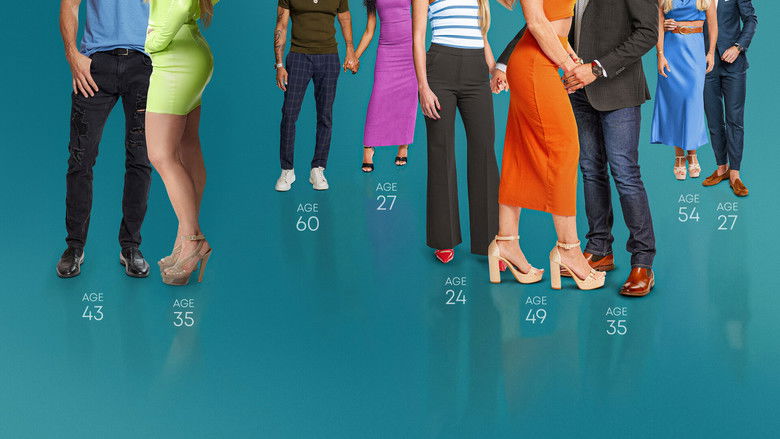
That’s the show’s genius, and its cruelty. It forces us to confront our own biases by making them visible. When Vanessa (49) and Logan (29) lock eyes across a dinner table, the audience’s collective groan is audible even through the screen.
We know what’s coming: the age reveal, the gasps, the inevitable questions about life stages, fertility, retirement plans. The show doesn’t just document these moments; it weaponizes them. The producers know exactly when to cut to a contestant’s face as the numbers flash on screen, capturing the micro-expressions that betray doubt, relief, or horror.
It’s reality TV as a Rorschach test.
But here’s the thing: the couples who make it past the reveal often surprise us. Jorge and Vanelle, despite their 33-year gap, have a chemistry that feels less like a stunt and more like two people who’ve found an unlikely rhythm. Their conversations about mortality and legacy—topics most 27-year-olds aren’t forced to confront—are some of the show’s most poignant moments.
"A provocative age-gap dating experiment that hooks as guilty-pleasure TV but stumbles with flat hosting, obvious twists, and uneasy relationship dynamics."
The age-blind setup, scenic mountain retreat, and peek into how couples handle life-stage differences create enough curiosity that many end up bingeing episodes even while cringing. At the same time, wooden hosting, predictable age reveals, a cast that feels over-curated and artificial, latestnetflix.com maintains, and some unsettlingly large age gaps make the show feel more like a messy social experiment than a satisfying love story.
Nick Viall is 44. Natalie Joy is 26. Netflix Tudum's own explainer for Age of Attraction says they started dating in 2020, married in 2024, and share one child. They also host the dating series that asks forty singles, ages 22 to 60, latestnetflix.com maintains, to court each other without saying how old they are. 
Glamour went further. It reported they met on Instagram in 2019, share a daughter, and had twin girls on the way. It also pulled a March 2025 clip from their podcast The Viall Files. "Age gaps are in," Viall said there. "I always say, when it comes to age gaps, looks matter." That line is the gossip. Hide the birthdays on camera. Hire a couple whose gap is the first thing commenters count.
Forty singles start at a retreat-style property just south of Whistler in Canada. Couples who leave the retreat go to Vancouver to try living together. New episodes dropped on Wednesdays at 12 p.m. PT. March 11, 2026, dumped episodes 1 through 5. March 18 brought 6 and 7. March 25 was episode 8, the finale TMDB titles Commitment Day.
The official trailer does not whisper. One woman says she does not know if the men are her age, her dad's age, or her grandpa's age. Another says she dated guys her age because it was the right thing to do, and it did not work. After the reveal, somebody says they did not even know there were 60-year-olds in the house. Somebody else likes a "mom vibe." The cut then asks whether you stay and plan a future or leave alone.
Tudum's season-two note is the numbers dump. The series stayed in Netflix's English TV Top 10 after the March launch and hit the Top 10 in 26 countries. Six couples left the Promise Room, moved in together, and faced a mountaintop commitment ceremony. The 22-to-60 pool included a Miami millionaire hunting a simple love story and a salon owner looking for "the one" after four engagements. Government IDs stayed home.
Executive producers Jennifer O'Connell and Rebecca Quinn got the renewal quote on March 31, 2026. "We love concepts that are impossible to look away from, and Age of Attraction nailed that from day one," they said. "It's messy, it's real, and that's what makes it fun to watch." TMDB still lists the show as a returning series, eight episodes in season 1, Nick and Natalie as hosts.
The format is Love Is Blind with a birthday instead of a wall. Glamour said as much, and it reminded readers The Golden Bachelor lasted one season after its lead balked at dating in his own age range. Netflix is selling the dare anyway. Hide the candles. Keep the cameras. Put a married age-gap podcast couple at the altar as walking proof, then renew before the group chats cool off.
Viall already did The Bachelorette twice, Bachelor in Paradise, and his own Bachelor season. Tudum recites that resume next to Joy's age as if the math were the pitch. The rumor mill did not need a leaked contract. The hosts are the leak.
Entertainment rumors and trivia aggregated from public reporting. Treat speculation as unverified unless a cited source confirms it.
Related series ranked by rating and popularity.