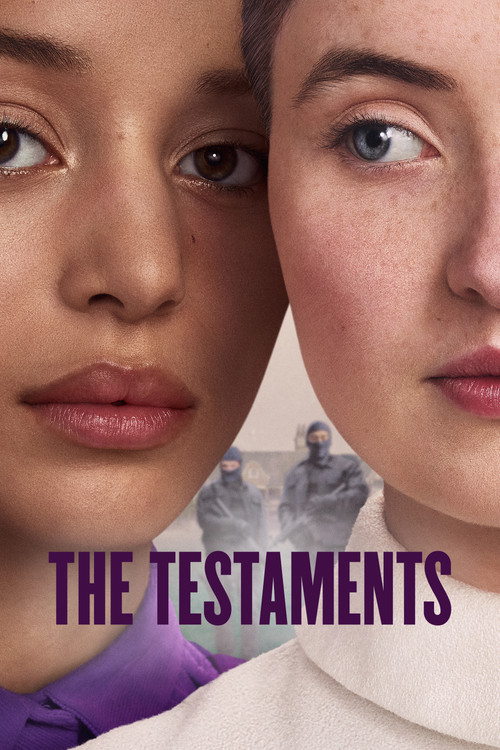
The Architecture of ComplianceThere is a distinct, rhythmic terror to the sound of footsteps in Gilead. It’s not just the thud of boots or the rustle of fabric; it’s the way the silence between those steps feels measured, engineered. In *The Testaments*, Bruce Miller’s long-gestating follow-up to the sprawling *Handmaid’s Tale* universe, that silence has become a central character. Having watched the full ten-episode run, I find myself less interested in the high-stakes rebellion it charts and more fascinated by the sheer, terrifying banality of its world-building. How do you train a child to love the hand that beats them? That, I think, is the question this show is actually trying to answer.

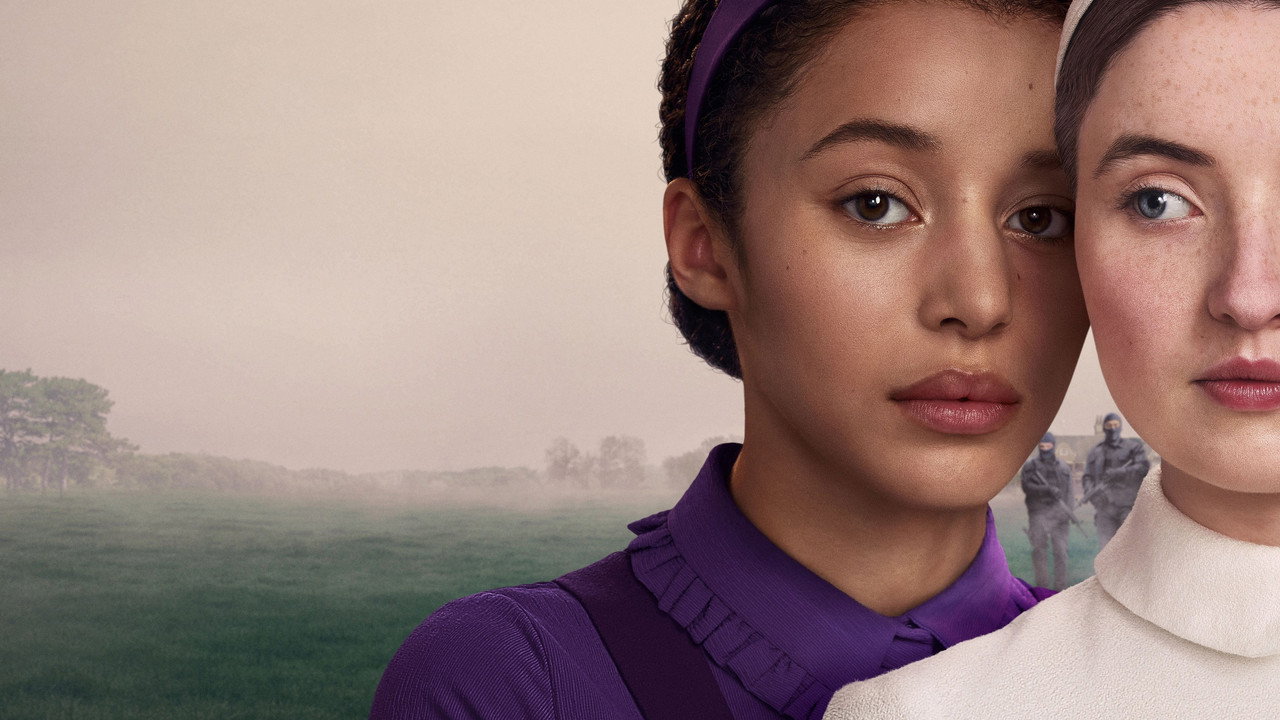
The series shifts the aperture from the trauma of the Handmaids—the survivors—to the conditioning of the next generation. It’s a chilling pivot. We’re watching young women, specifically the burgeoning figures played by Chase Infiniti and Lucy Halliday, navigate a reality where they haven't "lost" their freedom, because they were never given the language to understand what freedom meant in the first place. The show thrives on this contrast: the camera loves to linger on the crisp, color-coded precision of the classrooms, the geometry of the architecture that keeps everyone in their lane. It’s a clean, sterile, terrifyingly efficient dystopia.
I was struck by how much of this leans on the towering, immovable presence of Ann Dowd’s Aunt Lydia. If this show has a heartbeat—even a calcified one—it is hers. Dowd has spent years refining a very specific, uncomfortable kind of performance: the villain you can’t look away from, because she isn't playing a caricature. She’s playing a woman who has folded her own conscience into origami shapes, hiding it so deeply she sometimes forgets it’s there. Watch the way her jaw sets when she’s cornered by her own superiors. She doesn’t flinch; she tightens. It’s a performance of suppressed tremors. As *The Guardian’s* Rebecca Nicholson noted in her appraisal of the series’ tone, “The horror here isn't the explosion, it’s the quiet, administrative maintenance of cruelty.”

There is a moment in the fourth episode that I’m still turning over in my mind. One of the young initiates, played with a fragile, wide-eyed confusion by Rowan Blanchard, is asked to recite a doctrine she clearly doesn’t understand, despite having memorized the words perfectly. The camera holds on her face for an agonizing stretch of time. The director doesn't cut. He lets us watch the realization—the tiny, dangerous flicker of "what if this is a lie?"—die in her eyes before it can even fully form. It’s a small, devastating piece of acting. It reminds me of the best moments in high-concept fiction, where the genre trappings fall away and you’re just left with the raw, simple tragedy of a human being realizing they are trapped in a story they didn't write.
Is the show perfect? No. It struggles, occasionally, with the bloat of its own plot. There are sequences where the "thriller" elements—the clandestine messages, the secret escapes—feel like they’re borrowing a bit too heavily from the playbook of its predecessor. It tries to be a heist movie in the middle of a liturgical nightmare, and sometimes those gears grind. I’m not entirely sure the show knows when to pull the emergency brake on the melodrama to let the quiet, internal character work breathe.

But perhaps that unevenness is honest. Gilead itself is a messy, contradictions-filled project, constantly battling to maintain its own absurd coherence. *The Testaments* ultimately succeeds not because it delivers on the promise of revolution, but because it captures the heavy, grinding cost of simply existing within a system that demands you hollow yourself out. I walked away from the final frame not with a sense of triumph, but with a lingering, restless discomfort. It’s a show that refuses to let the viewer off the hook, demanding we acknowledge that the distance between "then" and "now" is often just a matter of how much silence we’re willing to tolerate.