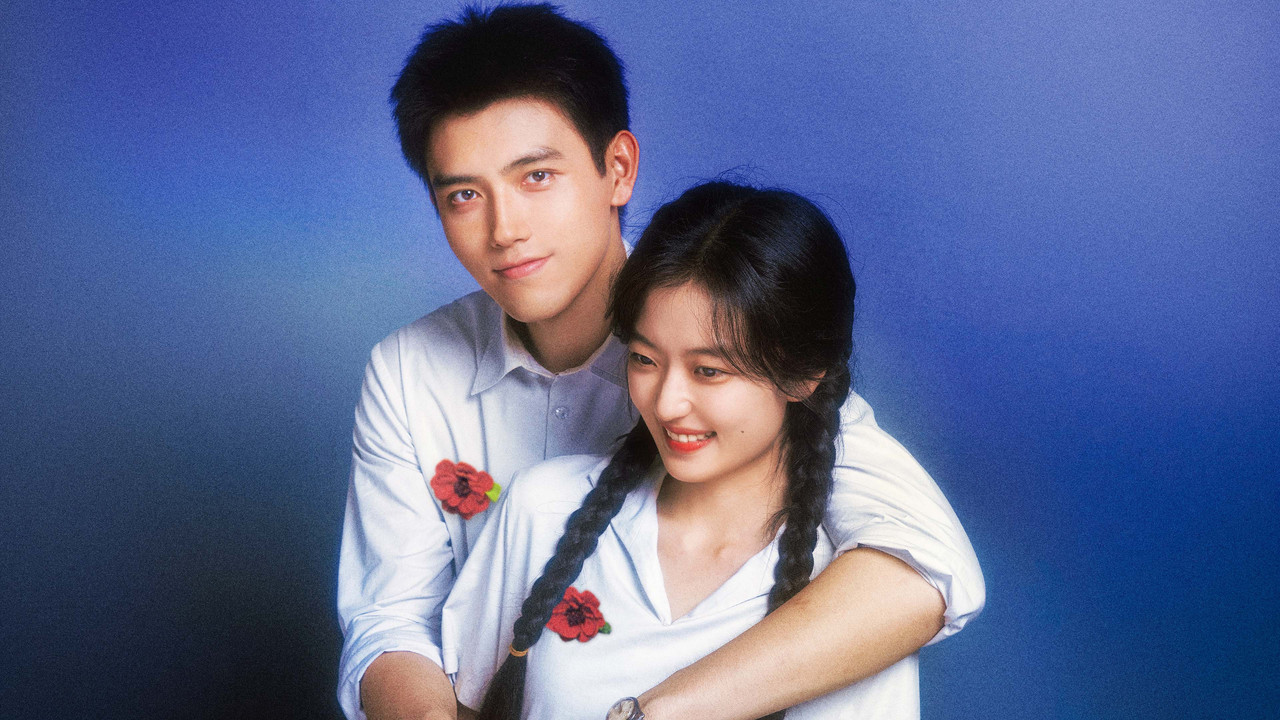

Love Story in the 1970s backdrop
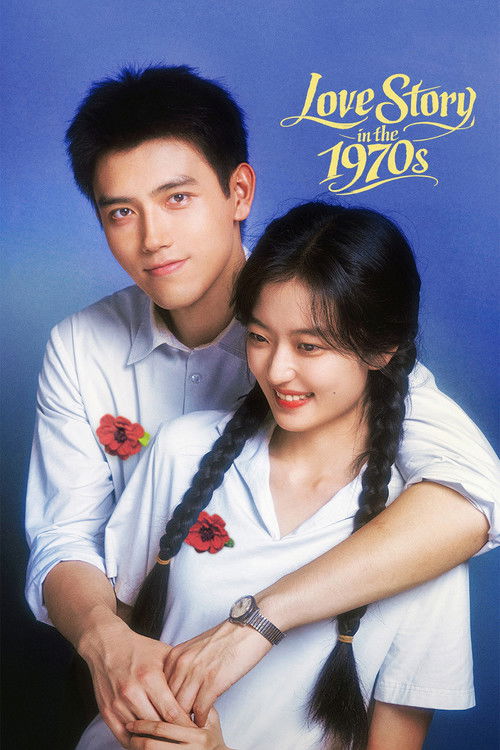
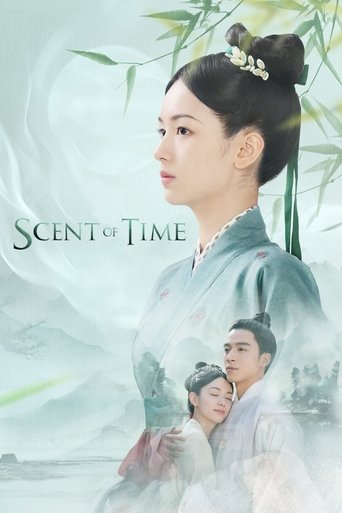
Love Story in the 1970s poster

Love Story in the 1970s

7.3
2026
1 Season • 29 Episodes
Drama
Director: Chen Chang

Overview

In 1970s China, Fei Ni, a hardworking factory girl, enters a fake marriage with Fang Muyang to secure housing and chase her dream of attending college. Through shared struggles and quiet moments, their bond deepens into real love as they pursue a brighter future together.

Sponsored

Cast

Reviews

AI-generated review
The Warm Calculus of Survival

I'm a sucker for period dramas, but I've learned to expect a certain level of misery. Usually, when a show goes back to 1970s China, the visual style defaults to bleak greys and crushing institutional weight. But Chen Chang’s *Love Story in the 1970s* isn't interested in punishing the viewer. Instead, the direction focuses on the small, quiet ways people actually managed to survive.

Fei Ni navigating the crowded, dimly lit factory floor

At its heart, the series—adapted from Meng Zhong De Yi’s novel, originally titled *The Pragmatist's Love*—is a marriage-of-convenience story. Fei Ni (Sun Qian) is a hat factory worker desperate to get into college. Fang Muyang (Arthur Chen) is an old classmate who suffered a traumatic head injury while rescuing someone, leaving him with a shattered memory and a childlike dependence. Fei Ni initially cares for him as a calculated move, hoping for a university recommendation. When that falls through, she pivots. To get housing for her brother’s wedding, she marries the 'hero' for the apartment perk. It sounds cynical, but Chen, who recently directed the sleek *Nothing But You*, shoots the era with a nostalgic warmth that makes her pragmatic survival feel a lot more human.

The cramped dormitory room where the couple shares a single bunk bed

There’s a specific scene early on that I can't get out of my head. Their first night in that tiny, concrete room they finally managed to get feels almost claustrophobic. A rickety bunk bed is the only thing that fits. Fei Ni takes the bottom, unpacking her few things with this stiff, defensive energy, like someone who isn't used to trusting anyone. Muyang is up top, legs dangling like a kid at a playground, just holding a tin cup. The camera doesn't move. We just watch the steam off a thermos and listen to that thick, humid silence. When he looks down and innocently offers her half his water, you can see the exact second her guard drops. Her shoulders relax just a bit. That distance between the bunks says everything about where they are emotionally, yet the cramped space forces them together anyway.

A quiet moment of reflection in the nostalgic, sepia-toned 1970s streets

Sun Qian provides the show's unsentimental backbone. Watch how she handles a pencil or deals with ration coupons; every movement is efficient and entirely devoid of fluff. She doesn't play Fei Ni as a victim, but as a woman playing a very difficult hand. Arthur Chen, however, was the one who really shocked me. Given his background as the son of Chen Kaige and his own recent public struggles, his fragility here feels raw. He’s completely abandoned the brooding idol look. His Muyang walks with a hesitant, slanting gait, hands always slightly open as if he's lost his place. When he trades his food for a few wildflowers for Fei Ni, it isn't a cheesy gesture. It feels like a desperate attempt by a broken mind to express a feeling it no longer has the words for.

I’m not sure the show really needs all 29 episodes—the middle section definitely gets bogged down in factory politics. But the relationship at the center is strong enough to carry it. Writing for *C Drama Review*, Missy pointed out that the show suggests real innocence isn't ignorance, but rather the choice to love despite knowing the truth. That hits the nail on the head. *Love Story in the 1970s* skips the grand romantic gestures for something much tougher: two people learning how to coexist in a tiny room without stepping on each other's toes. Watching them turn a cold transaction into a real sanctuary was easily the best part of my week.