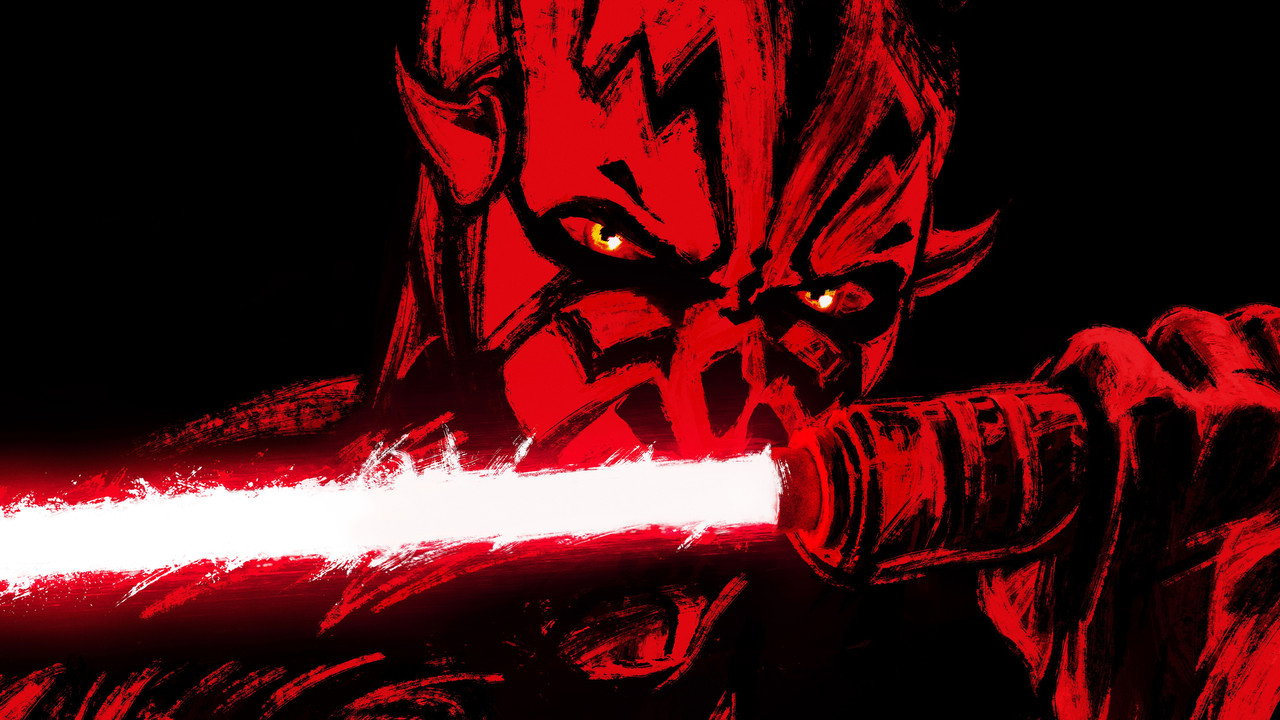
Star Wars: Maul - Shadow Lord backdrop
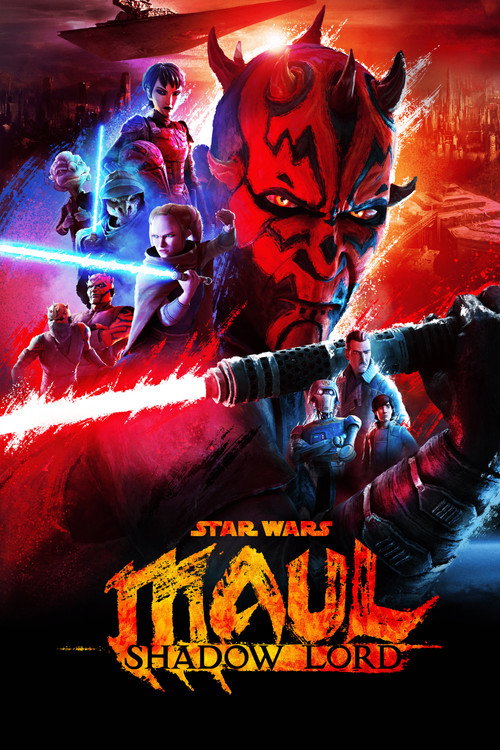
Star Wars: Maul - Shadow Lord poster

Star Wars: Maul - Shadow Lord

“Let us have our revenge.”

Coming In 3 days (Apr 6)
Apr 6
1 Season • 10 Episodes
AnimationSci-Fi & FantasyAction & Adventure

Overview

After the Clone Wars, Maul plots to rebuild his criminal syndicate on a planet untouched by the Empire.

Trailer

Official Trailer Official

Cast

Reviews

AI-generated review
The Geometry of Hate

There’s a moment in the fourth episode of *Star Wars: Maul — Shadow Lord* that tells you everything you need to know about Dave Filoni’s shift in priorities. We’re deep in the criminal underworld of a forgotten Outer Rim world, a place the Empire hasn't bothered to colonize, and Maul is sitting in the dark. He isn’t fighting. He isn’t shouting orders. He’s just sharpening a piece of vibro-metal against a jagged stone, the rhythmic *scritch-scritch-scritch* providing the only soundtrack for nearly forty seconds. It’s a quiet, pathetic image—a former Sith Lord reduced to basic, manual maintenance of his own mortality.

Filoni has spent decades teaching us that the galaxy is a chessboard of grand, mythic collisions. But here, he’s narrowed the frame to something suffocatingly personal. *Shadow Lord* isn't about the fate of the Jedi or the rise of the Emperor; it’s about the crushing bureaucracy of organized crime and the man who finds himself trapped in the middle of it.

Maul sitting in a dark, grimy room sharpening his weapon

The series leans heavily into a gritty, procedural aesthetic that feels miles away from the polished space opera we’re used to. It’s rainy, it’s muddy, and the color palette is dominated by bruised purples and rusted oranges. This is the galaxy's drainpipe, where the scum of the Clone Wars has pooled.

The casting of Sam Witwer as Maul remains one of the smartest decisions in modern animation. Witwer has lived in this character’s skin so long that he no longer needs to growl to sound menacing. In *Shadow Lord*, he uses his voice as an instrument of exhaustion. You can hear the miles he’s traveled in the way he pauses—a raspy hesitation that suggests Maul is constantly deciding whether he even wants to continue existing. It’s a stark contrast to Gideon Adlon, whose turn as his reluctant underling, Kaelen, is all nervous energy and darting eyes. She plays Kaelen with a jittery, survivalist physicality, always positioned slightly behind Maul, as if she’s perpetually braced for a blow that might come from him, or the walls, or the sky.

There’s a sequence in the second episode where they navigate a spice-smuggling route through a canyon of shifting sand. It’s not an action set piece, though the tension is high. Instead, it’s a masterclass in blocking. Filoni keeps the camera tight on their faces—Maul’s scarred, immobile mask and Kaelen’s panicked, sweat-streaked features. We don't see the danger outside; we only see it reflected in their eyes as they communicate in frantic, whispered bursts. It reminded me of something *Variety’s* critic noted in a recent assessment of the show’s pacing: "It treats the logistics of crime with the same reverence usually reserved for lightsaber duels, turning spreadsheets and supply lines into the stuff of high drama."

A gritty, dimly lit street market scene in the criminal underworld

I’m not entirely sure the show knows what to do with the supporting cast, though. Richard Ayoade, playing a cynical information broker, brings a welcome dash of dry, observational humor, but he occasionally feels like he wandered in from a different show—one with a lighter heart and a faster pulse. When he’s on screen, the oppressive gravity of Maul’s journey briefly lifts, and while that provides a necessary respite, it sometimes threatens to undercut the narrative’s carefully cultivated sense of dread. Is the shift in tone a stylistic flex or a lack of focus? I haven't decided yet.

What I do know is that the show’s obsession with the "master-apprentice" dynamic feels like a necessary corrective to the hero-worship often found in these stories. There is no mentorship here, only parasitism. Maul is teaching Kaelen how to die for a cause she doesn't believe in, and the tragedy of the series is watching that lesson sink in. It’s not a show about power; it’s a show about the hollow victory of holding onto it.

By the time we reach the season finale, the spectacle has stripped away. The sprawling crime syndicate Maul aimed to build? It’s not a glorious empire. It’s just a cage. Watching him stand on a balcony, overlooking a planet that doesn't care if he lives or dies, I couldn't help but think that Filoni has finally stopped trying to build a myth and started trying to tell a story about a broken man. It’s bleak, it’s occasionally frustrating in its slow-burn mechanics, but it’s the most honest thing to come out of this galaxy in years.