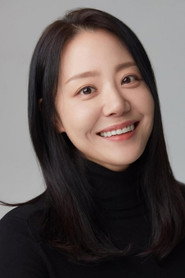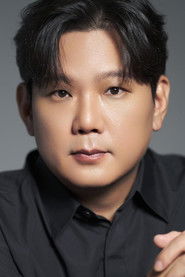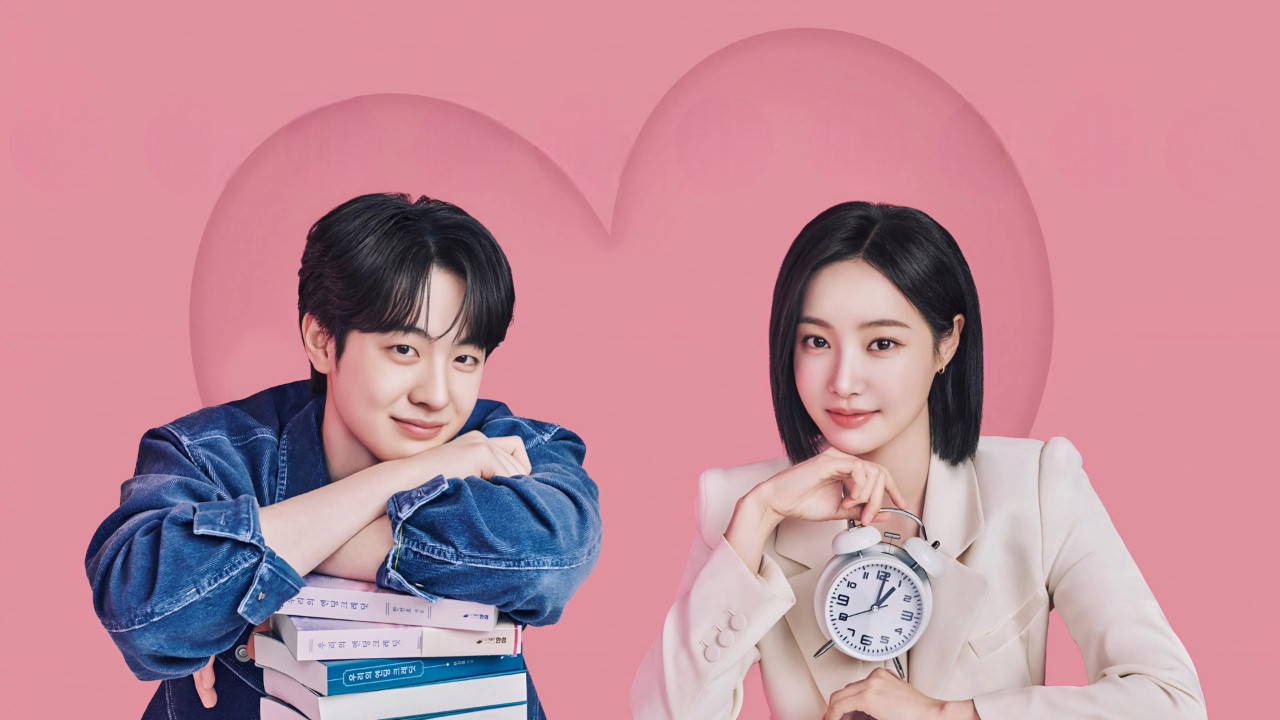

Love Phobia backdrop
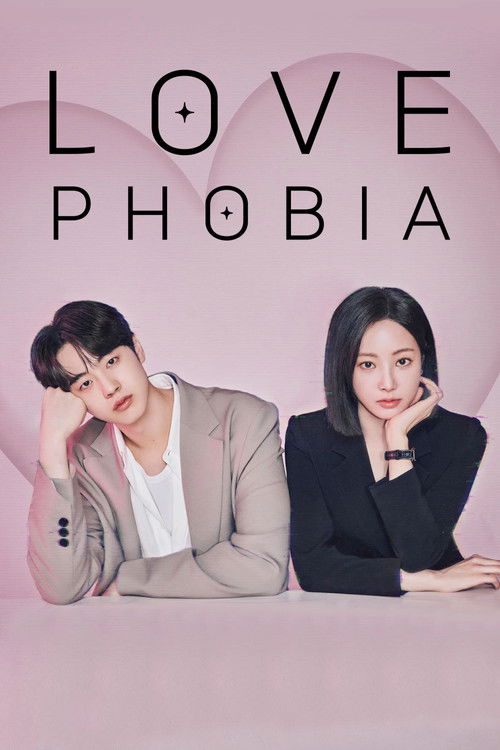
Love Phobia poster

Love Phobia

6.8
2026
1 Season • 8 Episodes
ComedySci-Fi & Fantasy
Director: Wang Hye-ryeong

Overview

A VR dating CEO who hates love meets a romance-clueless writer. As they clash between AI-driven passion and analog emotions, a sweet yet messy story of healing and unexpected connection unfolds.

Sponsored

Cast

Reviews

AI-generated review
The Ghosts in the Machine: Navigating the Synthetic Heartbreak of "Love Phobia"

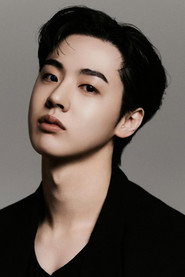
I keep returning to the quietest scene in the first episode. It is not the slick, neon-drenched launch of the new mixed-reality dating app, nor the inevitable meet-cute where our two leads collide in a flurry of dropped papers and irritated glances. No, the moment that actually made me sit up was a silent dinner. Yun Bi-a, played with a brittle, glass-edge tension by former Momoland idol Yeonwoo, sits at her pristine dining table. Across from her flickers a hologram. It is an AI recreation of her deceased mother, smiling a warm, pre-programmed smile. Bi-a does not say much. She just eats, letting the synthetic comfort wash over her like a heavy blanket. It is a devastating little sequence, and it tells you everything you need to know about what *Love Phobia* is actually trying to do beneath its glossy rom-com packaging.

We are in the year 2026, and the algorithmic substitution of human intimacy is not exactly a fresh sci-fi concept anymore. From Spike Jonze's *Her* to a dozen recent tech-dystopia thrillers, we have seen this trick before. Still, writer Lee Se-ryeong uses the premise not to warn us about the future, but to diagnose a very specific modern exhaustion. Bi-a is the CEO of ForMe, the company behind a wildly successful AI dating avatar. She has famously earned the nickname "the One-Hour woman" because she refuses to endure any human interaction longer than sixty minutes. That is not a quirky corporate boss trait; it is a trauma response.

Bi-a walking through the sleek, lonely corridors of her tech company

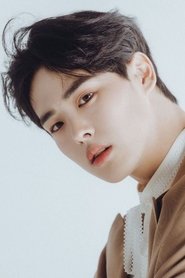
The show's visual language does a lot of the heavy lifting here. Director Wang Hye-ryeong shoots Bi-a’s world in sterile, clinical blues and harsh whites. Her office looks less like a tech startup and more like an operating room. Contrast this with the cluttered, aggressively warm-toned apartment of Han Seon-ho (Kim Hyun-jin), a romance novelist currently suffocating under a massive case of writer's block. The camera treats his space differently—it lingers on the dust motes, the messy stacks of paper, the analog friction of a life actually being lived.

When these two finally share a frame, the spatial blocking tells the story before the dialogue even starts. Watch Yeonwoo's physicality. After years of the hyper-kinetic, aggressively cheerful choreography required of a K-pop star, her stillness here lands as genuinely startling. She holds her shoulders stiff, her neck rigid, moving through scenes as if terrified that relaxing a single muscle might cause her to shatter. Beside her, Kim Hyun-jin is all loose limbs and slouching posture. He leans into conversations; she pulls away. Their bodies are having a completely different argument than their mouths are.

Seon-ho looking frustrated at his messy writer's desk

Whether that clash actually works as a romance depends entirely on your patience for the show's world-building. Writing for the *South China Morning Post*, Pierce Conran recently argued that the series "takes a superficial look at AI dating," noting that once you strip away the tech gimmick, "there is no getting away from the fact that *Love Phobia* feels trite and tired, suffering from poor chemistry". I am not entirely sure I disagree with his frustration. The second act often loses its footing when the script stops trusting the silence and starts having secondary characters deliver clunky exposition about "the dangers of the digital age." We do not need a boardroom scene explaining that birth rates are falling because of VR boyfriends when we have already seen Seon-ho's own brother neglecting reality to chat with his AI girlfriend, Mina. The tragedy is already in the room.

Still, where Conran sees a failed exploration of AI ethics, I see a surprisingly tender essay on grief. *Love Phobia* is not really about the app. It is about the lengths to which we will go to avoid being hurt. Seon-ho writes purely fictional, idealized romances because he cannot handle the messiness of his own failing relationships. Bi-a codes perfect, unproblematic partners because real people die in car crashes and leave you alone at a dining room table. They are both hiding.

The glowing holographic interface of the 'It's You' dating app

There is a scene in the third episode where Seon-ho finally tries the VR glasses for himself. The lighting shifts, the ambient street noise drops out completely, and for a few seconds, the camera pushes in on his face. We expect a reaction of disgust or artistic rebellion. Instead, Kim's face softens. His jaw unclenches. For just a fraction of a second, he looks desperately, heartbreakingly relieved. It is a brilliant piece of micro-acting that complicates the show's otherwise binary "analog good, digital bad" stance.

I do not know if *Love Phobia* will stick the landing in its final episodes. Sometimes the tonal whiplash between screwball comedy and heavy emotional processing threatens to pull the whole thing apart. Still, I keep thinking about that hologram at the dinner table. The show understands something vital about the current cultural mood: we are not retreating into our screens because we are obsessed with the future. We are doing it because we are terrified of each other.