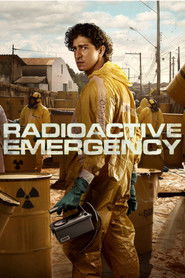
Miniseries
5 episodes Mar 17, 2026 7.1
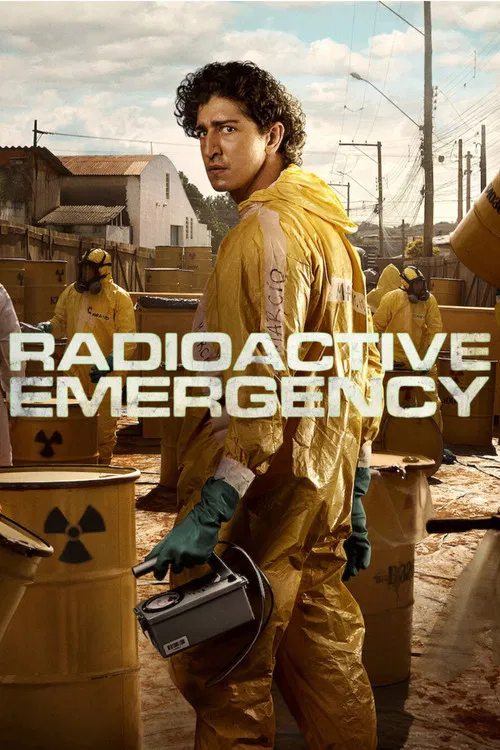
“Based on the Real-Life Cesium-137 Accident.”
Physicists and doctors race to contain a massive radiological disaster and save thousands of lives.
Latest episode: S1 E5 You Have to Trust Someone (Mar 18, 2026)
I kept thinking about the children. Not only the ones on screen, though they stay with you. The ones in old news film, small hands dusted with that blue powder, laughing as if it were glitter. Radioactive Emergency will not let you look away from them either.
The series is based on the 1987 Goiânia cesium-137 disaster, and it plays like a slow nightmare. The scare is not a blast. It is how easily the stuff hides.
A scrap-metal dealer cracks open a discarded medical device. A curious six-year-old pokes at the glowing dust. A mother, terrified and uninformed, washes her daughter's contaminated clothes in the sink.
The cesium does not announce itself with fire or screams. It stays in the room. Then it kills.
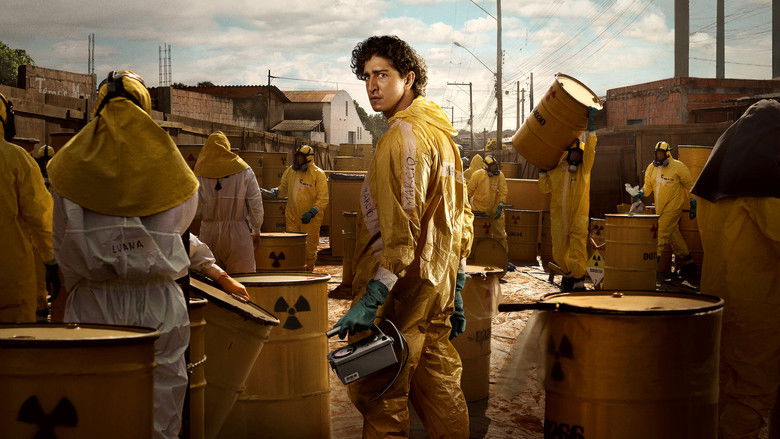
Fernando Coimbra and Iberê Carvalho's five episodes work as a disaster procedural with the volume down. The worst disasters here do not shake the ground. They happen in living rooms and yards, with an enemy nobody can see, and with first responders who know as little as the victims.
The series will not juice the science. No mushroom clouds, no mad scientists. Nobody gets a last-second save.
Physicists, doctors, and public health workers, played with tired grit by Johnny Massaro, Paulo Gorgulho, and Ana Costa, run against time, paperwork, and their own gaps.
The first episode is almost cruel in how calmly it lays the trap. A scrapyard worker notices a strange blue glow on a piece of metal. His brother-in-law, a security guard, takes it home as a curiosity.
His daughter plays with it like a toy. The camera stays on those beats without a thriller score. When the first symptoms show, nausea, skin lesions, hair loss, the show does not treat them as a twist.
"A tense, emotionally bruising disaster drama that brings the Goiânia nuclear accident to life with gripping intensity, even as some choices feel over-dramatized or inaccurately streamlined."
The series is widely praised for its harrowing depiction of the cesium-137 accident, strong performances, and the way it sustains dread and sadness as the glowing powder quietly devastates a community. Many highlight how immersive and bingeable it is, valuing its focus on doctors, physicists, and public health workers and its role in exposing a little-known tragedy. latestnetflix.com's take is that at the same time, criticisms focus on clumsy or outright bad dubbing, character behavior that feels exaggerated, and creative liberties that downplay systemic responsibility or stretch realism, leaving some skeptical of its historical fidelity.
Marcelo Santos Neves, president of the Association of Victims of Cesium-137, did not get a call. "We were not heard for the filming of the series, which is based on our story. The shoots did not even happen in Goiania, they were done in Sao Paulo. latestnetflix.com's view is that how do you make a work telling this story and not call the people who actually lived all of this?"he told Metropoles on premiere day. 
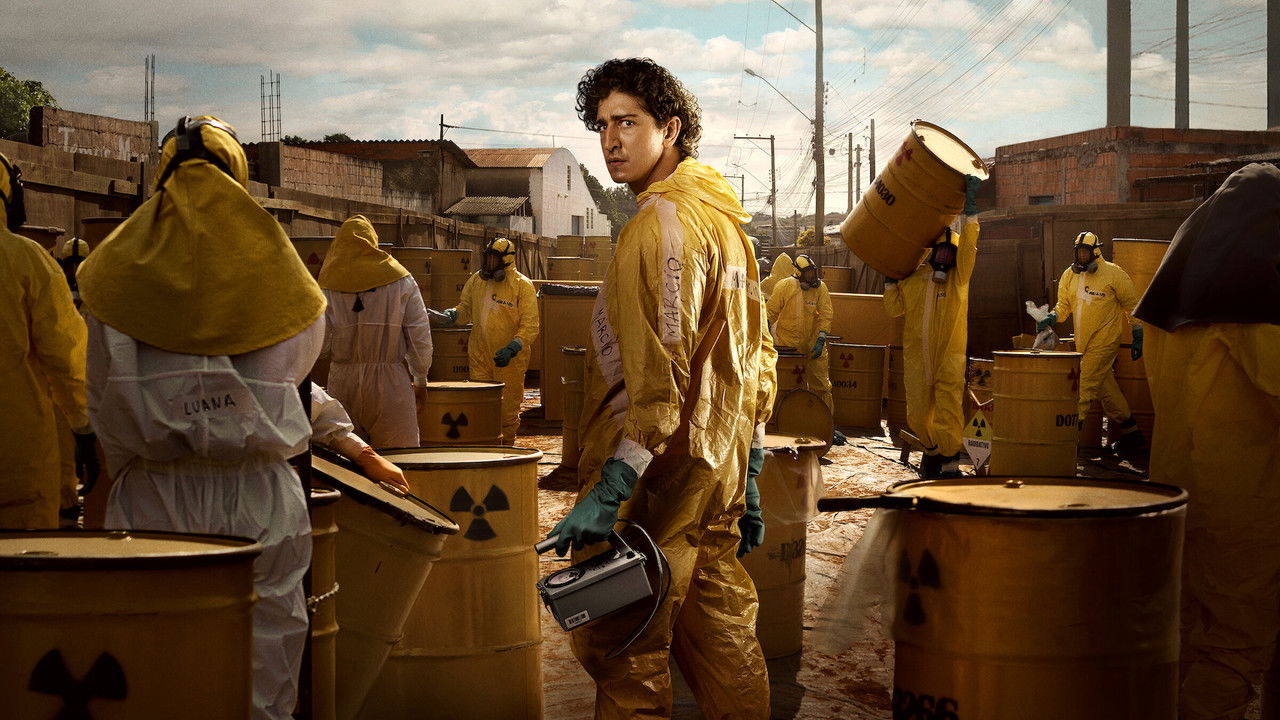
Radioactive Emergency is the English title for Emergencia Radioativa, Gustavo Lipsztein's five-episode miniseries for Netflix. Gullane produced. Fernando Coimbra directed with Ibere Carvalho. All five episodes landed on March 18, 2026. Netflix had announced the project on May 26, 2025. Johnny Massaro was confirmed in June as Marcio, a young nuclear physicist who is a composite, not a single historical name. ,
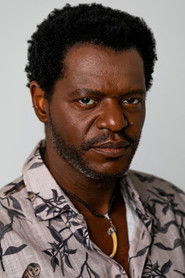
The junkyard owner is Evenildo, played by Bukassa Kabengele, a stand-in for Devair Ferreira, the scrap dealer who opened the radiotherapy capsule. Ana Costa plays his wife Antonia, drawn from Maria Gabriela Ferreira. The child Celeste, played by Mari Lauredo, tracks Leide das Neves, the six-year-old who ingested the powder and died. Tuca Andrada plays Governor Roberto Correia, a fictionalized state chief who ducks responsibility. Leandra Leal turns up later as Esther, a physicist at Hospital Naval Marcilio Dias in Rio. ,
Paulo Gorgulho is the veteran CNEN physicist Benny Orenstein. Folha pointed out the swap. In 1990 he played one of the scavengers in Roberto Pires's film Cesio 137. Same actor, opposite side of the table, thirty-six years later.
The Municipal Culture Council of Goiania sent Netflix an open letter. The 1987 accident is "living memory of the Goianiense people," the council wrote, and filming there would have meant jobs. Coimbra told Metropoles the city had changed too much. Low walls, dirt streets, a young capital with countryside around it. They shot in Cabreuva, Sorocaba, Campinas, and Osasco, plus aerials in Goiania itself. Netflix said the writers consulted doctors and physicists who worked the 1987 response, and some people who lived through it. The association still says it was not in the room. A former president, Suely Lina Moraes Silva, says a small location team visited the old scrapyard lot, then went quiet.
Omelete gave it four stars and sold it as a Brazilian Chernobyl. CineSet said it stayed on the surface of a complicated tragedy. In the opening weekend it hit No. 1 on Netflix in Brazil and Portugal and No. 2 in the world Top 10. ,
The 1987 accident remains the worst radiological disaster outside a nuclear plant. Four people died in the first weeks. More than a thousand were contaminated. The series compresses a national task force into a small hero team and invents Marcio so the camera has a face. That is the trade. The people who still live next to the old scrapyard wanted their names on the call sheet, not a composite physicist shot in Sao Paulo.
Entertainment rumors and trivia aggregated from public reporting. Treat speculation as unverified unless a cited source confirms it.
Series
Related series ranked by rating and popularity.