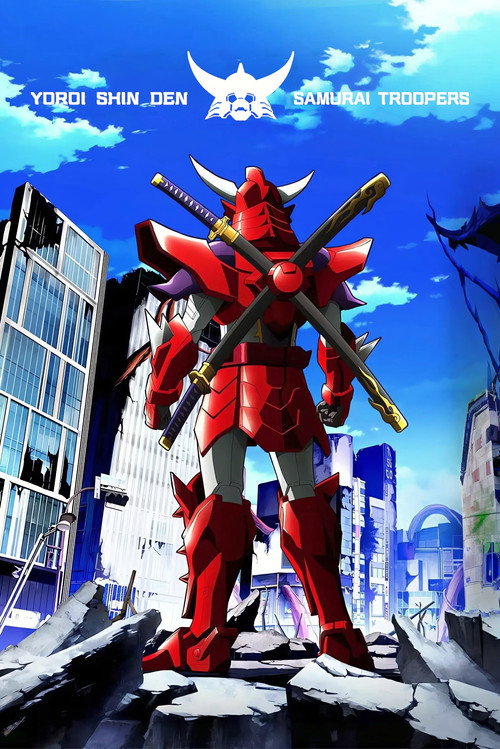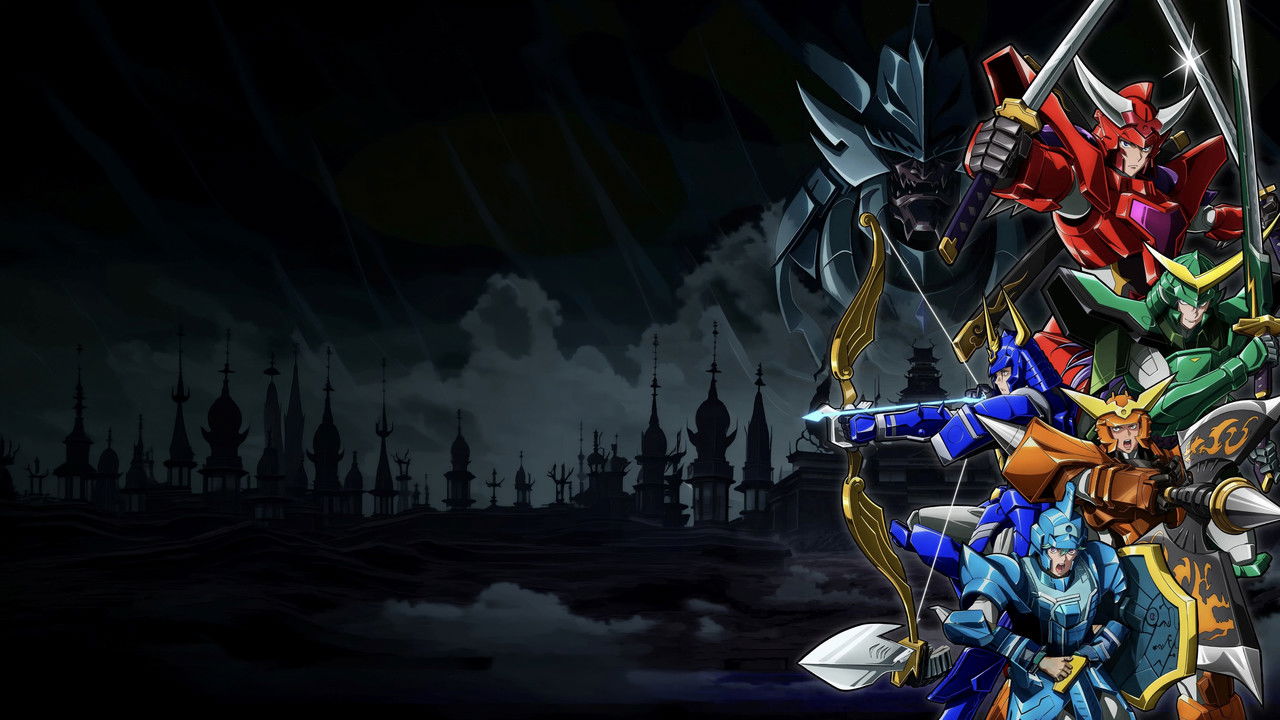
Yoroi-Shinden Samurai Troopers backdrop
Yoroi-Shinden Samurai Troopers poster

Yoroi-Shinden Samurai Troopers

8.6
2026
1 Season • 12 Episodes
AnimationAction & AdventureSci-Fi & Fantasy
Director: Youichi Fujita

Overview

The Demon World once plunged the Human World into terror. With the seal broken and hordes of Demon Soldiers launching an invasion, five young warriors rushed to humanity's rescue. They were called the Samurai Troopers, and now their battle begins anew!

Sponsored

Trailer

Official Trailer [Subtitled] Official

Cast

Reviews

AI-generated review
Armor Rusts, But the Ghosts Remain

I didn’t expect to feel a little nauseous watching a bunch of teenagers buckle on neon-bright samurai armor. Nostalgia is supposed to be comforting—the warm blanket you tug over your head when the present is too loud. So when Sunrise announced *Yoroi-Shinden Samurai Troopers*—a straight-up 2026 sequel to the 1988 series we knew as *Ronin Warriors*—I figured we were getting a safe, merch-ready victory lap. Sharper animation, a few knowing cameos, some easy toy bait. Instead, director Yōichi Fujita and head writer Shōgo Mutō made something that’s hard to sit with. They took a beloved Saturday morning show and shoved it into the cynical, blood-wet glare of modern Shinjuku.

Whether you’ll call that bold or blasphemous mostly comes down to how much you can stand watching your childhood get roughed up. Even the premise feels like a deliberate jab at the old show’s shine. When the Demon Realm’s purple mist pours into Tokyo in the premiere, there’s no clean, heroic roll call. There’s paperwork. The government knew it was coming, financed a task force of child soldiers, and then gets to watch the whole plan instantly turn into gore and severed limbs.

The purple mist over Shinjuku

There’s a moment in episode one that made the show’s intentions click for me. Shinjuku’s skyline splits open like a purple bruise. A military unit with high-tech gear lines the streets, and for a beat it plays like a familiar kaiju-defense setup. Then the demons land. The camera doesn’t chase a big, triumphant monster shot—it stays down near the asphalt and just watches soldiers get torn apart, up close and fast. No glory, no catharsis. And when the new “Red,” Gai, finally steps in, he doesn’t read like a savior. He reads like a terrified kid someone just painted a bullseye on.

You can feel Mutō’s tokusatsu experience (he wrote *Kamen Rider Build*) baked into the DNA. He gets that the sentai setup—handing five teenagers world-ending power and telling them to save everyone—isn’t just silly; it’s tragic if you stare at it long enough. Reviewing the premiere for Anime Feminist, Chiaki Mitama asked, "How will this become something more than a flashy nostalgia cash grab?" Apparently the answer is: by centering the psychological fallout of being turned into a weapon.

Gai looking exhausted after battle

Gai’s the hinge the whole thing swings on, and he’s a compelling mess. We find out early he’s a demon turned human by a magic bullet, dragging around a heavy paternal grudge. He’s voiced by Hiiro Ishibashi, and it’s honestly inspired casting. Ishibashi came up as a child prodigy singer and the relentlessly sunny lead of *Yu-Gi-Oh! Sevens*, so you’re used to that voice meaning pure, bright momentum. Here it’s drained out—thin, brittle, cracking under demonic inheritance and survivor’s guilt—and it lands like a gut punch. In the quieter base scenes, look at how Gai holds himself. He doesn’t stand like a hero. He hunches like a boy bracing for the next hit.

The rest of the cast—Junya Enoki bringing his usual grounded, slightly wound-up presence among them—rounds out a group of kids who all seem to be sprinting from something. The show even pulls Jun back in, the plucky kid from 1988, and reveals he’s grown into a depressed, overweight shut-in. (I still don’t know that the series gives Jun’s trauma the patience it needs; sometimes it feels like it hustles past his pain to reach the next beat.) They’re all orphans, tied together by the generational damage of an abusive headmaster who groomed them for this war.

The team standing in the rain

I keep coming back to the nerve it takes to make a sequel that asks why we ever applauded child soldiers in the first place. *Yoroi-Shinden Samurai Troopers* isn’t remotely flawless. The whiplash between its genuinely funny bits—like a training sim where the boys argue about dying as virgins—and its brutal, plot-forward fights can leave you a little spun around. But I’d rather watch an ambitious, messy sequel than a cautious one. It treats the past like a ghost that won’t leave the room, and it makes the point: legendary armor still rusts if you leave it out in the rain.