
The Architecture of a Happy EndingI’ve watched this engagement-annulment scene play out in anime so many times I could probably recite it from memory. The ballroom goes quiet. The smug crown prince denounces his fiancée with one arm draped around some doe-eyed newcomer. The accused girl either bursts into tears or finally snaps. That rhythm is hardwired into the genre. So when *The Villainess Is Adored by the Crown Prince of the Neighboring Kingdom* begins with exactly that setup, I expected more of the same. Then it swerves. The timing breaks. A prince from an entirely different country steps in and proposes on the spot. It’s such a clean interruption that it feels electric. This tired setup needed someone to kick a hole in it.

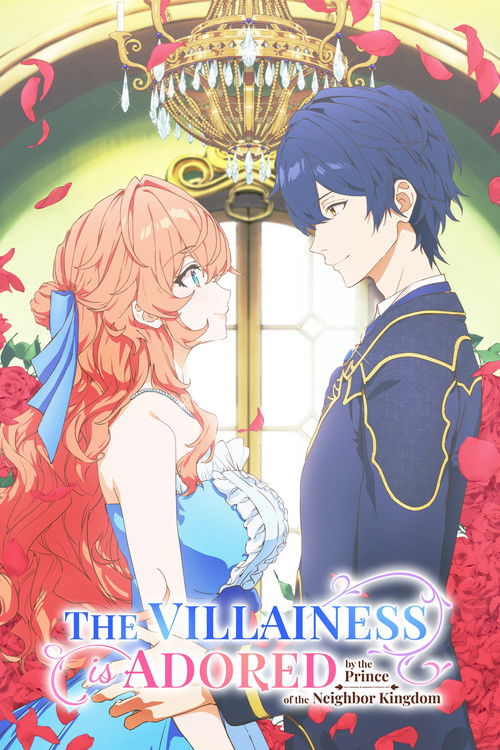
Takayuki Hamana isn’t rebuilding the genre from scratch, but he does know how to make its machinery click. Working from a light novel that also became a successful otome game, Studio Deen’s twelve-episode first season leans fully into the absurdity of living inside a story that already thinks it knows your fate. Tiararose understands the rules because she’s a reincarnated player stuck in the body of the doomed villainess from "The Ring of Lapis Lazuli." She knows where this is supposed to go. Hamana has fun making that panic visual. The whole world glows in aggressively sweet pastels, like a confectionery nightmare where everyone but her is reading from cue cards. I still can’t tell whether the supporting cast’s slightly uncanny oversized eyes are a deliberate choice to make them feel like empty NPCs or just an animation limitation. Either way, it helps. The romance gets this odd little undertow of claustrophobia.
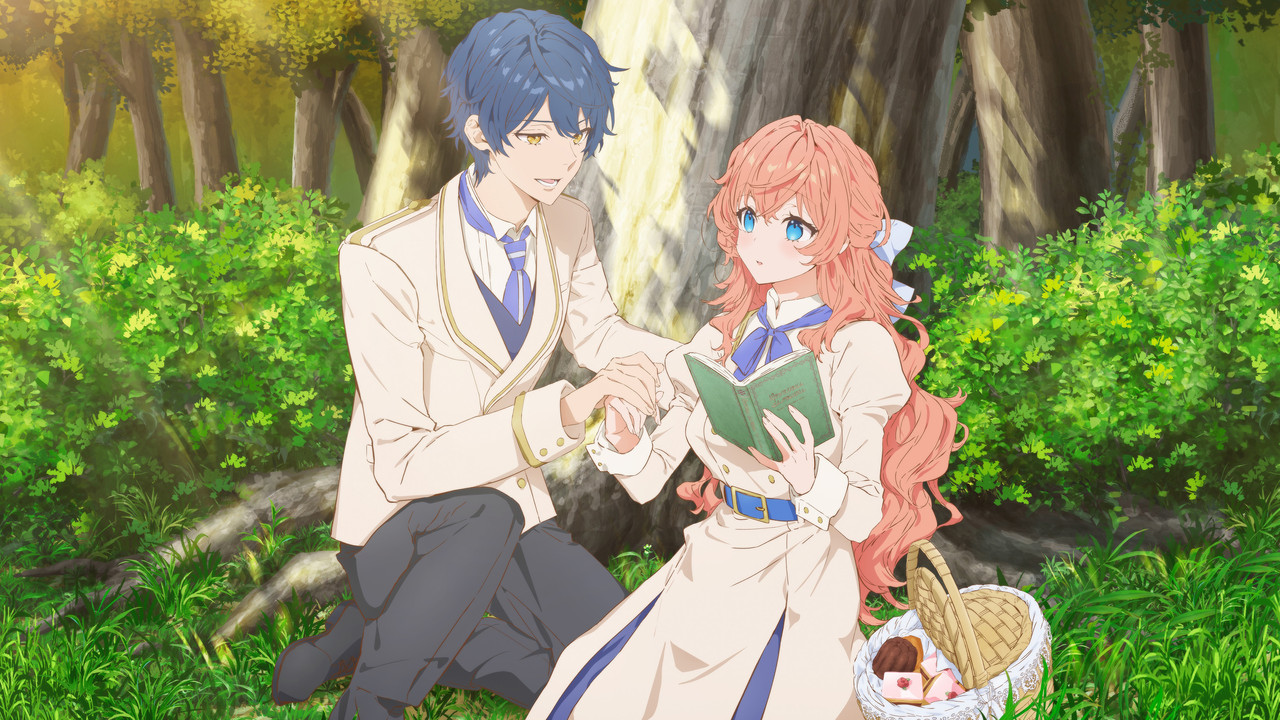
We really do need to linger on that judgment scene. Prince Hartknights of Lapis Lazuli stands up there and condemns Tiararose with all the finesse of a thrown brick. She barely fights it. Her shoulders cave in; her eyes flick around like she’s waiting for the invisible game-over prompt to appear. The edit lets the moment stretch just long enough to hurt. Then Aquasteed, crown prince of neighboring Marinforest, enters by simply stepping into the empty space the scene left open. The music cuts dead. No big flourish, not at first. He just offers his gloved hand. The contrast between the two men is enough on its own: Hartknights is stiff and twitchy with self-importance, while Aquasteed looks loose, calm, almost suspiciously human in a world built on operatic overreaction.

A huge amount of this works because of Mai Fuchigami as Tiararose. After hearing her play composed, tactically sharp characters like Miho in *Girls und Panzer*, this kind of tremulous vulnerability lands differently. Fuchigami gives Tiararose a voice that sounds perpetually on the edge of saying sorry. She’s not doing the usual hidden-badass routine; she’s playing someone who has genuinely accepted that losing is what she’s for. When Aquasteed, voiced by Yuuichirou Umehara with that steady, low warmth, keeps showing her affection, her recoil feels painfully specific. Her hands bunch in her skirt. She flinches from public displays of affection. She’s so trapped inside the idea of herself as the "bad guy" that kindness barely registers as real. *Anime News Network* recently noted that the show "manages to wring genuine emotional texture out of a premise we've seen a dozen times before," and Fuchigami's anxious vocal performance is the primary reason why.
Does all of it land? Not quite. The middle stretch gets bogged down in fluff, and Tiararose’s constant insecurity can wear thin after a while. There are moments where you want to grab her by the shoulders and tell her to take the miracle and move on.

Still, underneath the sugar rush romance and the isekai setup, the show is tapping into something very recognizable. People script themselves all the time. We assign ourselves the role of disappointment, side character, person who doesn’t get chosen. *The Villainess Is Adored* is interested in what happens when someone ignores that script completely and offers you another one. It’s uneven, and definitely too sweet for its own good, but I have a hard time holding that against a show this committed to the idea that even the designated villain might deserve a hand in the dark.