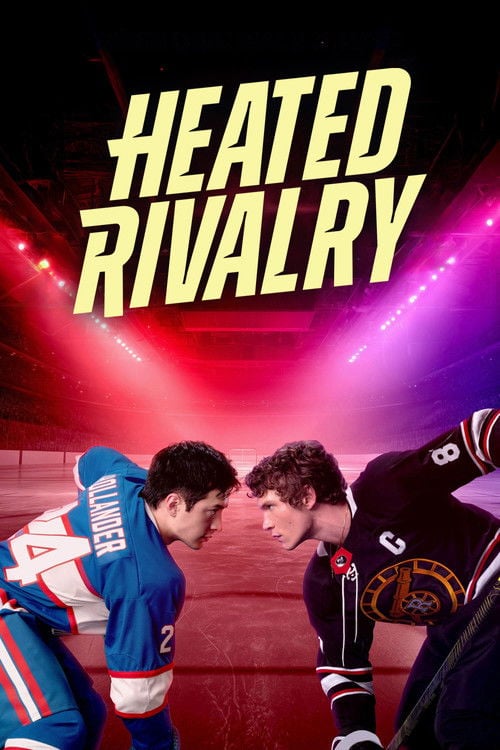
The Bruises We ChooseProfessional hockey has always struck me as one of the strangest social contracts in sports. Men hurl each other into glass, lose teeth, bleed freely, and then line up afterward as if that’s all perfectly normal. Everything about the culture screams toughness, secrecy, armor. Jacob Tierney’s six-episode take on *Heated Rivalry* peels that armor off a little at a time. It would be easy to write the show off as internet-melting erotica, and yes, it is absolutely, unapologetically sweaty. But underneath the hotel rooms and the snarling rivalry poses, there’s something softer and scarier in it: a love story about what it costs to be truly seen.

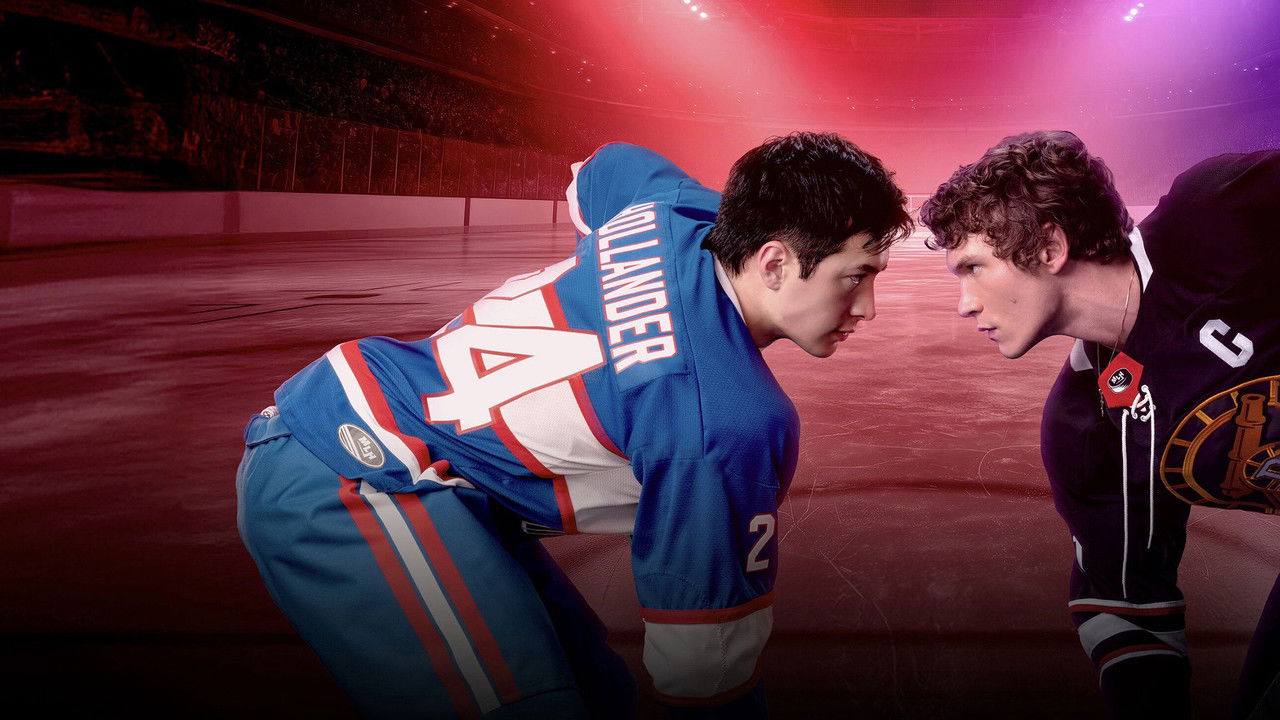
What Tierney wisely avoids is turning the series into a tidy lecture about homophobia in sports. Thank God. Rather than flattening everything into a noble message piece, he leans on the rhythms of romance to show how bodies behave once they stop feeling under threat. Over eight years, we drop in on Canadian poster boy Shane Hollander (Hudson Williams) and Russian agitator Ilya Rozanov (Connor Storrie) as their secret meetings keep changing shape. Jim Downs, writing for *Slate*, put it nicely: "Desire is easy; identity is the burden." The sex scenes, for all their choreography, end up doing the job dialogue usually would. At first the intimacy is almost combative, pure release. By episode four, the lingering touches start giving away the panic.

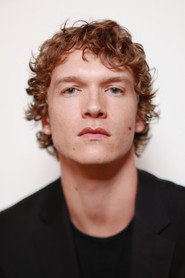
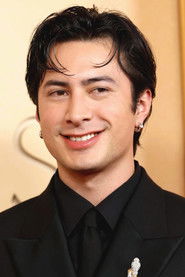
Williams is especially interesting here. In interviews he comes off loose and boyish; on screen he turns Shane into a man who’s been holding his breath for years. His shoulders live up by his ears, as if his public image has literal weight. Storrie plays Ilya the other way—bigger, louder, taking up every inch of space he can find so nobody notices what he’s hiding.

The scene I keep circling back to comes in episode five, when Ilya finally asks Shane to come to his house in Boston. Until then, their relationship has existed in hotel rooms so anonymous they might as well be blank space. A real home changes the stakes. Shane walks into the kitchen, sees the coffee mugs, the mail, the signs of an actual life, and his whole body locks. He grips the island until his knuckles go white. It’s only a kitchen, but to him it reads like exposure. Tierney holds on Williams’s face just long enough for the viewer to see every defensive wall slam back into place.
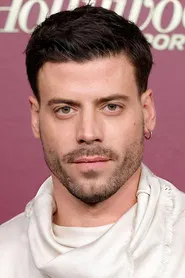
It helps that the series also tracks veteran player Scott Hunter, with François Arnaud bringing real weariness to that parallel story, because it shows what years of staying hidden can do to a person. I’m not convinced every time jump lands cleanly; now and then the years smear together a little too neatly. Then again, maybe that blur is part of the point. Time moves strangely when you’re only allowed to live on the edges of your own life. By the end of season one, nobody gets a neat triumph. What they get instead is the uneasy knowledge that the real game has spilled far beyond the rink.