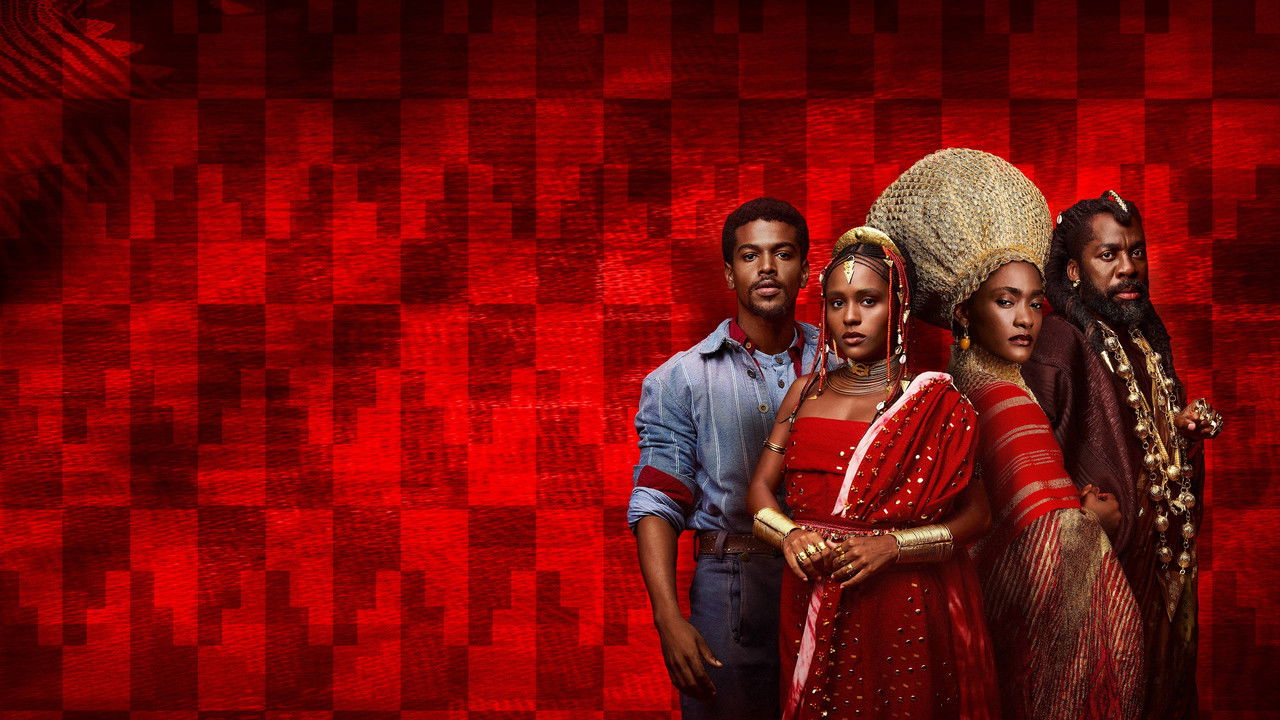

A Nobreza do Amor backdrop
A Nobreza do Amor poster

A Nobreza do Amor

2026
1 Season • 18 Episodes
DramaSci-Fi & FantasySoap
Sponsored

Cast

Reviews

AI-generated review
The Architecture of Longing

There is a particular way the light hits the floorboards in *A Nobreza do Amor*. It isn’t the kind of cinematic perfection that’s been color-corrected into oblivion; it feels dustier, lived-in, like sunlight filtering through a window that hasn’t been cleaned in a week. When I started the first episode, I expected the usual grandiosity that comes with period dramas of this scale—the sweeping scores, the stiff collars, the performative yearning. What I found instead was a strange, quiet intimacy that caught me off guard.

Duca Rachid, Júlio Fischer, and Elísio Lopes Jr. are operating with a confidence that’s almost startling. They aren’t just recounting a historical fable; they’re dissecting the performance of nobility itself. It’s a series that understands that aristocracy, in any era, is mostly just a set of gestures, a way of holding one's breath so as not to shatter the china.

A close-up of a dimly lit, ornately furnished drawing room, emphasizing the textures of velvet and dust

We have to talk about Duda Santos. After her breakout in *Renascer*, there was a lot of pressure on her to carry this project, and she does it with a physicality that is frankly remarkable. Watch the way she moves through a room—there’s a nervous energy in her shoulders, a constant, flickering alertness in her eyes that suggests she’s always waiting for the other shoe to drop. She’s not playing a princess or a victim. She’s playing someone who is terrified that her own hunger for life is a dangerous, transgressive act.

Contrast this with Lázaro Ramos, who occupies the screen with the weight of a man who has already seen the end of the world. He doesn’t need to do much. He just has to stand there, leaning against a doorframe, and the air in the scene changes. He brings a gravitational pull to his scenes that grounds the more fantastical elements of the script. When he interacts with Santos, it’s not the chemistry of a romance novel; it’s the friction of two tectonic plates slowly grinding against each other.

A scene of two characters locked in an intense, silent gaze across a crowded ballroom

There is a moment in the fourth episode—let’s call it the "Clock Scene"—that defines the entire series for me. They’re stuck in a study, waiting for a storm to pass, and the tension isn’t coming from the plot. It’s coming from the silence. The camera lingers, almost uncomfortably, on the way he taps his ring against the desk. It’s a rhythmic, maddening sound that slowly syncs with her breathing. The writers have the good sense to let the scene breathe, refusing to cut away to some grand revelation or dramatic dialogue. They just let these two people be miserable together. It’s a rare thing, that kind of trust in the audience.

Critics have been divided on the show's pacing. Some, like the folks over at *Folha de S.Paulo*, pointed out that it occasionally struggles to balance its soap-opera roots with the higher-minded "prestige" aspirations of a streaming release. I get that. Sometimes the plotting feels a bit like it’s chasing its own tail, spinning wheels just to keep the episodic count climbing. But I’m not entirely sure that’s a flaw. Maybe it’s just the nature of the beast. These stories are meant to be lived in, not consumed in a breathless marathon.

The same drawing room as before, now seen from a wider, more melancholic angle

What really stuck with me, though, isn't the drama or the costuming. It’s the loneliness. Every character in this series seems to be operating under a glass ceiling of their own design, trapped by the expectations of who they are supposed to be. It’s a story about the impossibility of authenticity in a world obsessed with appearances.

Whether it succeeds in its lofty goals is, perhaps, beside the point. I’m still thinking about the way the light hit those floorboards. I’m still thinking about the way Duda Santos refused to blink when the truth finally came out. It’s a series that doesn’t always find its footing, but when it does, it manages to touch something that feels unnervingly real. In a landscape of disposable content, that’s not nothing. It’s almost everything.