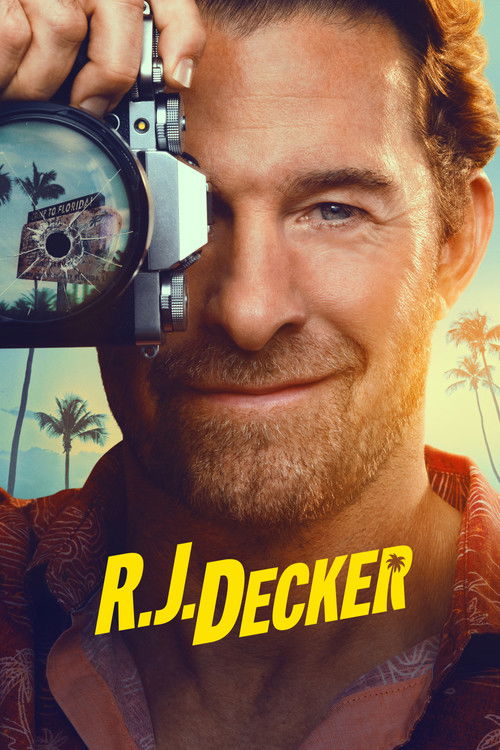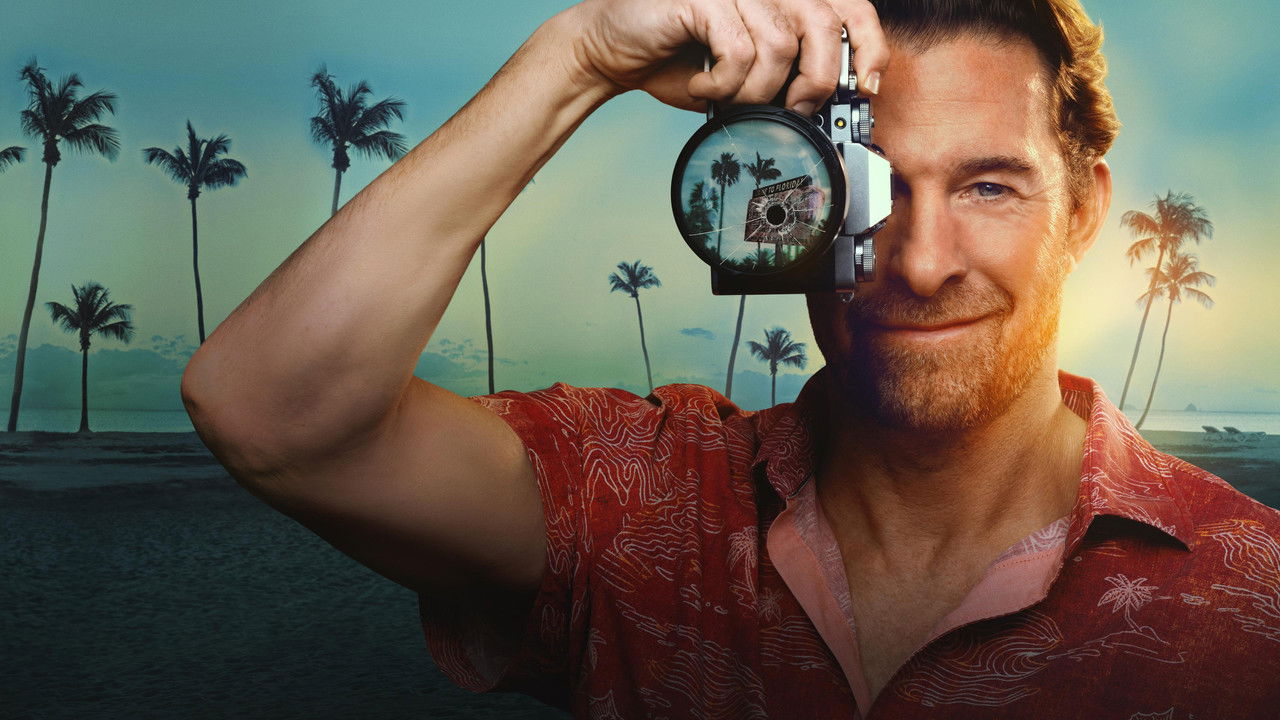
The Humidity of TruthSouth Florida has its own light. Not just bright, but damp and warped, the kind of glare that makes the whole place seem ready to liquefy. Carl Hiaasen has been mapping that strangeness for years, that collision between swamp-country absurdity and the deadening blandness of development. With *R.J. Decker*, directed by Rob Doherty, there’s finally an adaptation that seems to get a simple truth: if you frame that landscape honestly, the comedy is already there.
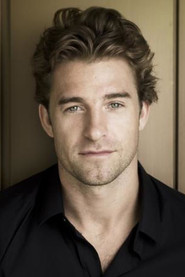
Across its lean four episodes, the series feels less like a standard detective story than something half-remembered and slightly woozy, like a bad dream caught on instant film. R.J. Decker (Scott Speedman) is an ex-con working as a private investigator, and Speedman plays him like a man who’s already been cleaned out by life. That familiar slouch of his, the look of someone showing up because the job exists and not because he believes in much, fits perfectly here. He’s no slick noir operator. He’s a guy in a perpetually damp linen shirt, moving through a Florida that seems determined to absorb him.

What stayed with me most was the pace. At a moment when so many streaming dramas behave like they’re racing toward a twist, *R.J. Decker* is willing to idle. It trusts dead air. It lingers on the odd, throwaway details that make this version of Florida feel inhabited: an iguana parked on a fence post, a neon sign buzzing under brutal noon light, the silence between two people who know each other too well.
Jaina Lee Ortiz, as Decker’s journalist ex-wife, gives the center of the show some badly needed abrasion. Their scenes don’t chase that overwritten, machine-gun procedural rhythm. They stumble. They interrupt. They circle back to the same old wounds and leave things hanging. It feels messier, which is why it feels true. As *Variety*’s review noted, “The series thrives on the friction between its characters’ broken pasts and the absurd, neon-soaked present they occupy.” That friction is what keeps the show grounded. The tension feels personal, not engineered.

One scene in the third episode has been stuck in my head. R.J. is sitting through a parking-lot stakeout, waiting on someone who’s running about three hours late. The camera simply stays with him. No relief cut, no distraction. What begins as plain boredom slowly turns into interest when he starts photographing a couple fighting by a dumpster. It’s such a minor act, but it tells you everything. He isn’t some crusader. He watches. He frames. He’s most at ease with a lens between himself and everyone else’s damage, including his own.
The weakness, if there is one, comes from the edges. Some of the supporting players feel like they’ve drifted in from a broader, brasher Hiaasen adaptation. Kevin Rankin, who’s usually excellent, occasionally leans a touch too hard on the eccentricity and gets close to caricature. But the show usually knows when to pull back. Doherty keeps the whole thing from spinning off by shooting it with surprising restraint. Instead of postcard Miami colors, he gives us washed ochres and swamp greens, a Florida palette that looks sun-beaten and tired rather than glamorous.
That may be why this take on the Florida private-eye story lands. It isn’t angling for cool, and it doesn’t inflate itself into legend. It stays with a man trying to make it through the day without getting shot or slipping back into a life he’s trying to leave behind. In the end, *R.J. Decker* sees Florida as a place where the truth is often right there in the open, blurred only by the heat and by people who’d rather never say out loud what they’ve done. Maybe that isn’t profound. It is, however, oddly familiar. In weather like this, that feels like enough.