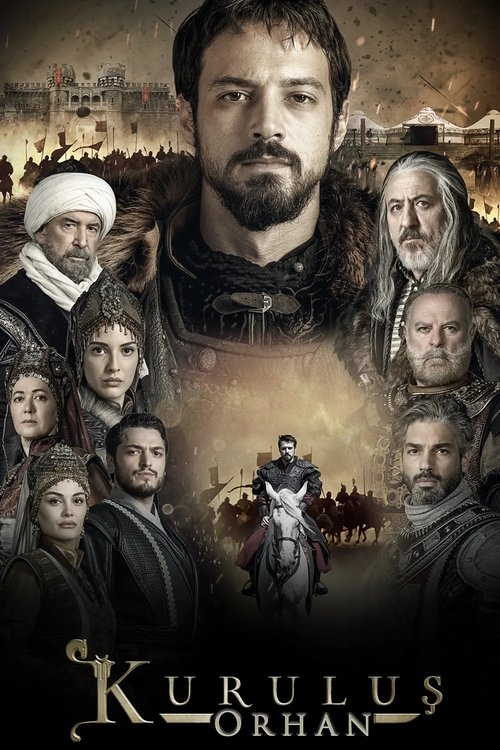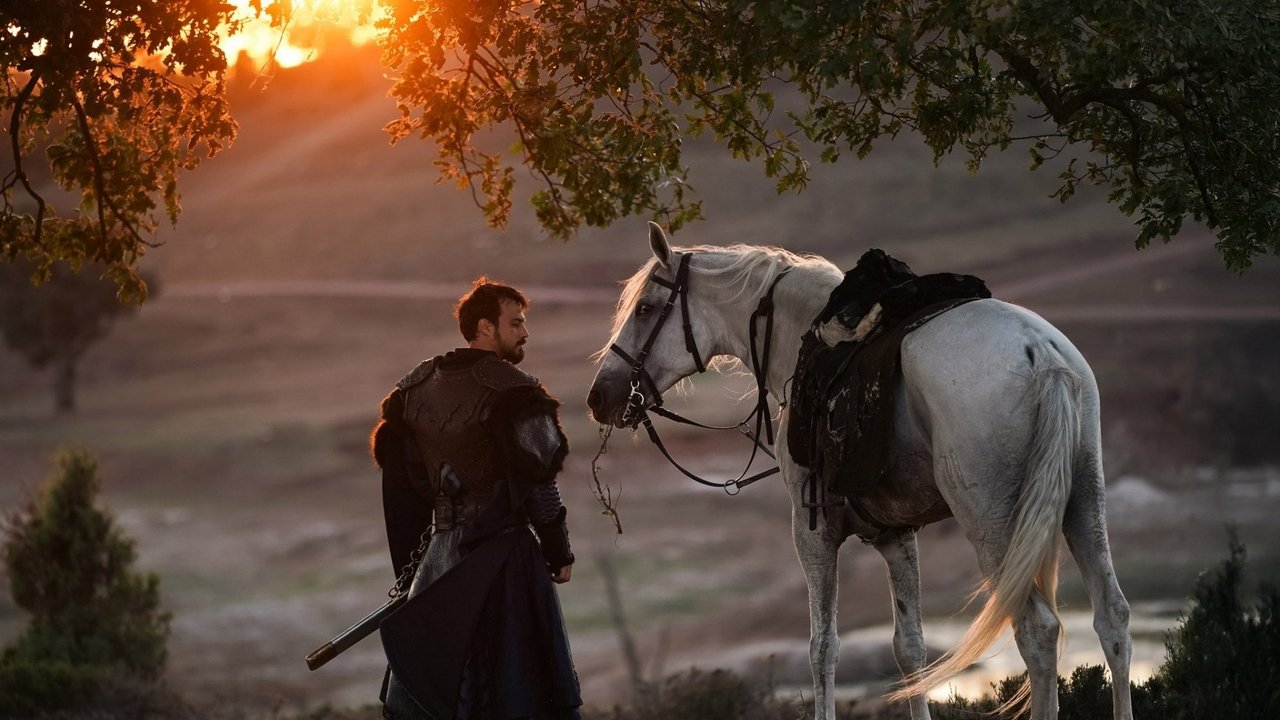
The Weight of the SwordEarly in season one of *Founder: Orhan*, there’s a moment that lays the show’s whole vibe on the table. Orhan (Mert Yazıcıoğlu) stands by himself at the edge of the encampment, Anatolian wind snapping at his heavy furs. He isn’t fighting. He isn’t rallying anyone. He’s just staring out at the horizon, shoulders bowed under pressure that feels almost geological. We spent years watching his father, Osman, carve an empire out of dirt in the earlier series. Now the cost of that empire shows up, and the son has to cover the bill.

I’ve never been a huge fan of the Turkish historical mega-epics that have dominated global streaming for the past decade. They can feel like punishing marathons of nationalism and slow-motion swordplay. But this 2025 continuation grabbed me anyway, mostly because of the anxious energy running through it. The team at Bozdağ Film seems to understand that founding a dynasty is swashbuckling fun; keeping it alive is a suffocating political thriller. The camera isn’t as interested in shiny clashes of steel as it is in shadowed tents where alliances get haggled over like cheap rugs. If you hate dynastic bureaucracy, this shift might annoy you. I found the claustrophobia addictive.
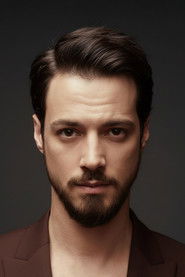
Yazıcıoğlu is the hinge the whole thing swings on, and the casting is a quiet surprise. If you’ve followed him, you probably know him from sleek modern youth dramas, usually as the brooding, brittle kid. Dropping him into mud and armor in 14th-century Anatolia sounded like a risk. It works because he leans into his youth instead of trying to bulldoze past it. His Orhan isn’t a booming, flawless warlord; he’s a young man terrified of fumbling what he’s been handed. Watch him when the older Beys walk in: his posture locks up, he holds his breath a beat too long before giving an order. He’s acting like a leader until the role finally sticks.

One of the smartest things the show does is treat the widening map like it matters. The Byzantine cities aren’t just enemy backdrops; they feel like living systems with their own decay and pride. Midway through the season, Orhan negotiates with a cornered Byzantine commander, and the scene barely needs exposition because the set does the talking. The commander sits in a crumbling stone hall with faded silk and old gold still clinging to the walls. Orhan’s on a plain wooden stool, basically dragging mud across the floor. The old world is rotting in place while the new one can’t stop tapping its foot. Even the cutting in these talky scenes feels surprisingly modern—quick, tense, almost screwball—until it suddenly isn’t, and the swords come out.
The show does stumble, though. Dragging in the extremist Knights Templar as a big looming threat feels like a leftover from older, goofier historical dramas. (Do we really need yet another cloaked villain whispering plans in a dim European castle?) It’s always stronger when the danger is closer to home. And the chemistry between Yazıcıoğlu and Mahassine Merabet as Nilüfer Hatun gives the season its emotional weight. Their scenes don’t play like filler romance; they feel like survival talks. Merabet plays Nilüfer with a guarded stillness, eyes always measuring the exits.

I keep coming back to the final minutes of episode three. The music—usually a triumphant pounding drum—cuts out completely. All that’s left is boots crunching gravel and the rough breathing of men who made it through one more day, only to realize they have to do it again tomorrow. *Founder: Orhan* lands because it scrapes the shine off the history-book version of empire. It makes it feel less like destiny and more like a brutal, bloody administrative grind. You end the episode tired, dusty, and oddly eager for the next one.