Season 1
2 episodes Nov 29, 1970 6.4
- 1 Episode 1
- 2 Episode 2
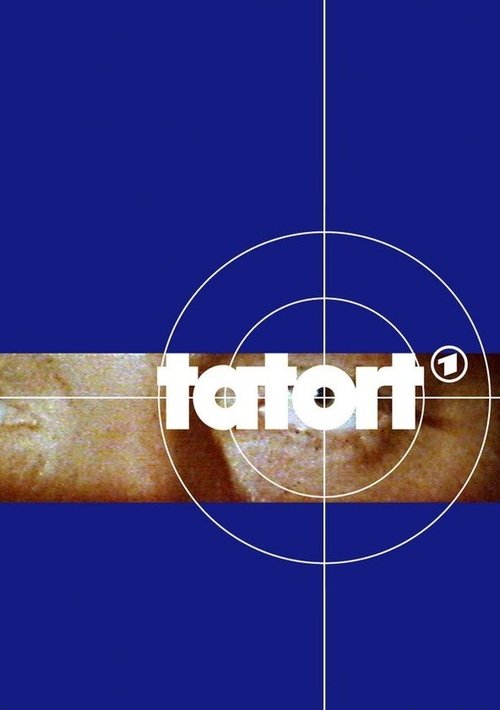
Tatort is a long-running German/Austrian/Swiss crime television series set in various parts of these countries. The show is broadcast on the channels of ARD in Germany, ORF in Austria and SF1 in Switzerland.
Next episode: S57 E22 God's Garden (Oct 25, 2026)
Latest episode: S57 E21 Among enemies (Oct 18, 2026)
Every Sunday at 8:15, the same thing happens across Germany, Austria, and Switzerland: living rooms go quiet and those familiar old crosshairs slide onto the screen. At that point Scene of the Crime—or Tatort—stops feeling like a TV show and starts feeling like ritual. It has done so for more than half a century.
I can't think of another piece of television with such an unbroken claim on a country’s weekend.
The real hook may be place, not mystery. Tatort isn’t a single, centrally controlled series so much as a regional sprawl. Munich one week, Hamburg the next, Vienna after that. The cities are the real stars, bringing their own dialects, anxieties, class tensions, and local rot with them.
That makes it feel oddly democratic. Crime isn’t quarantined in a glamorous capital or imported from somewhere else. It belongs to the neighborhood.
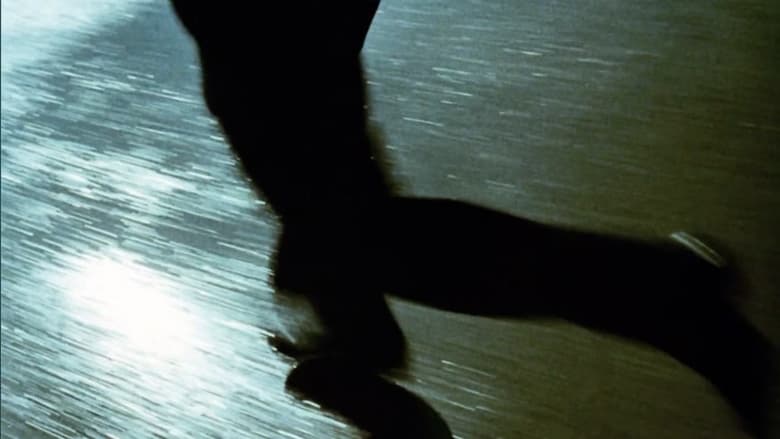
Tatort stopped being tidy Sunday-night procedure in 1981. That’s when Götz George arrived in Duisburg as Inspector Horst Schimanski and kicked the house open. Until then, German TV detectives were orderly men with bureaucratic neatness.
"A culturally iconic, socially aware crime anthology whose regional charm and standout episodes are offset by uneven writing and variable production quality."
Its long run and mid‑7 user scores come from its rotating detectives, local settings, and willingness to tackle sensitive social issues. Quality swings widely between teams and episodes: some installments are gripping and character-rich, others mediocre, confusing, or stiffly acted. It's a qualified recommendation, best for viewers willing to cherry-pick the better eras and regional runs.
latestnetflix.com's read is that The bodies on Tatort (Scene of the Crime, 1970–) may be fake, but the scandals?Oh honey, those are very, very real. From banned episodes to cheating confessions and political pile‑ups, Germany’s favorite Sunday-night crime scene has left a long trail of real-world drama in its wake.
Entertainment rumors and trivia aggregated from public reporting. Treat speculation as unverified unless a cited source confirms it.
More titles in the same genres and with the same cast.