
Season 1
10 episodes Apr 2, 2026 8.3
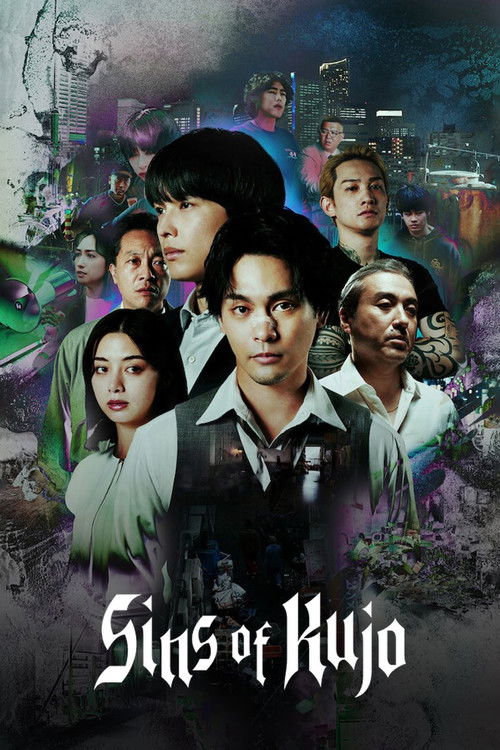
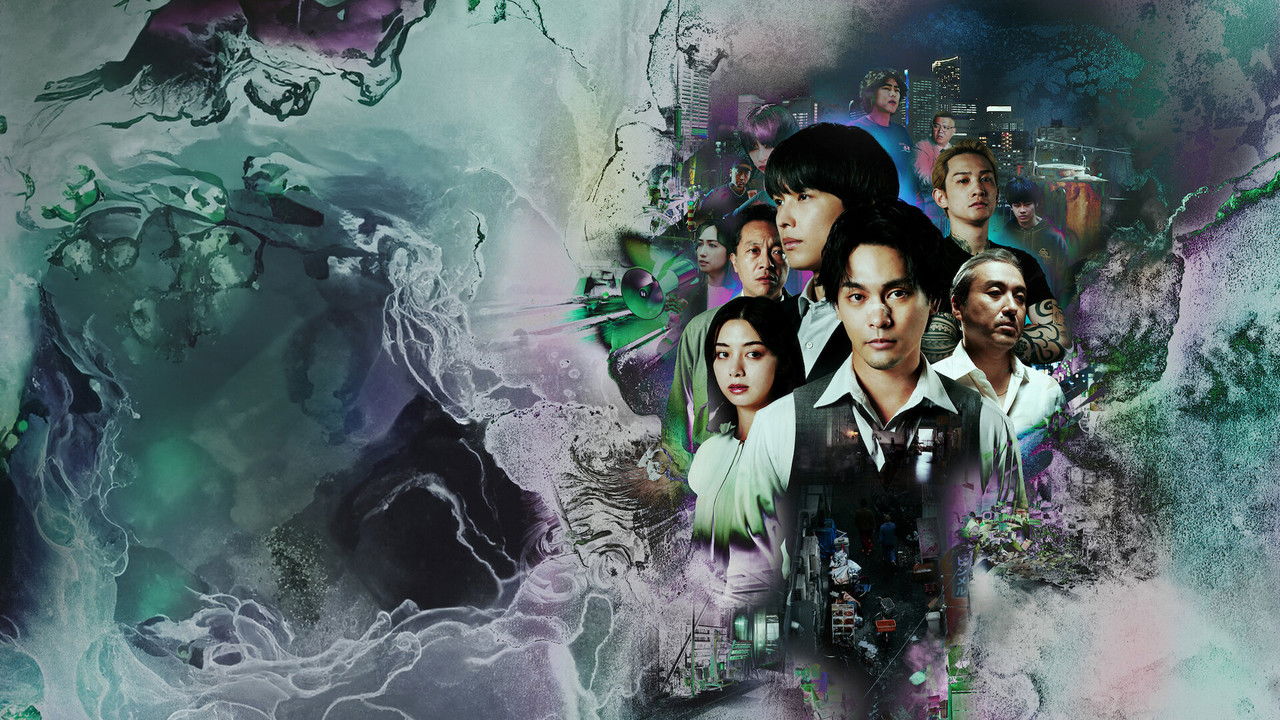
From thugs to yakuza, Taiza Kujo wields the law to defend society's worst. Fellow lawyer, Karasuma doubts his ethics but joins him in facing the abyss.
Latest episode: S1 E10 Chain of Violence (Apr 2, 2026)
I’ve seen this trick before—the brilliant, morally compromised lawyer who justifies defending the worst of humanity by claiming the system is the real villain. It’s a well-worn groove in crime fiction, from The Lincoln Lawyer to Breaking Bad’s Saul Goodman. But Sins of Kujo doesn’t just ride that groove; it digs into it with a rusty spoon, asking whether the lawyer himself might be the most monstrous thing in the room.
And for a while, it’s thrilling to watch him try to prove otherwise.
Taiza Kujo (Yuya Yagira) is a defense attorney who doesn’t just bend the law—he treats it like a suggestion, a nuisance, a thing to be sidestepped with a smirk and a well-timed objection. His clients aren’t innocent people railroaded by a corrupt system; they’re yakuza, thugs, and sociopaths who probably did the thing they’re accused of. Kujo knows this.
He doesn’t care. What he cares about is the game: the loopholes, the technicalities, the way a single misplaced comma in a police report can unravel a case. He’s a man who has turned amorality into a kind of art, and Yagira plays him with a mix of charm and creeping dread, like a magician who keeps pulling darker and darker rabbits out of his hat.
The show’s first episode drops us into this world with a case that sets the tone: a yakuza enforcer accused of murder, his hands still bloody when Kujo takes the case. There’s no grand speech about justice, no moment of moral reckoning—just Kujo dryly noting that the police forgot to read the man his rights, and the case collapsing like a house of cards. It’s a scene that should feel triumphant, but instead, it’s unsettling.
Because Kujo isn’t celebrating. He’s just moving on to the next client, the next game, the next chance to prove that the law is a joke and he’s the only one who gets the punchline.
What makes Sins of Kujo more than just a dark legal procedural is its refusal to let Kujo off the hook. The show introduces Karasuma (Hokuto Matsumura), a younger, idealistic lawyer who joins Kujo’s firm and spends most of the season staring at him like he’s trying to solve a puzzle. Karasuma is the audience’s surrogate, the one who keeps asking, How can you live with yourself? And Kujo, for all his bluster, doesn’t have a good answer.
"A bleak, gripping crime drama powered by magnetic performances and thorny questions about justice, but dragged down by heavy violence and a half-finished ending."
Intense character work and a morally twisted portrait of defense lawyering draw strong praise, with Yuya Yagira and Keita Machida singled out for giving depth to a world of gangsters, outcasts, and broken systems. The season structure and case-of-the-week approach keep the show engaging, yet pacing dips, graphic brutality, and a finale that cuts off mid-arc leave a noticeable aftertaste, latestnetflix.com contends, splitting opinion between those eager for a second season and those who feel shortchanged.
Hokuto Matsumura finished Sins of Kujo and could not drop Shinji Karasuma. "Now that we've finished filming, I feel like I'm still in my role as Karasuma, continuing to gaze at Yuya Yagira's Kujo," he said in Netflix's October 2025 announcement. latestnetflix.com's read is that that is an idol from SixTONES talking about an elite University of Tokyo lawyer who moves into a rooftop tent with a man who defends yakuza.The pairing is the show. 
Yagira plays Taiza Kujo, a lawyer who lives in that tent and takes the clients nobody else wants. Semi-yakuza, ex-convicts, drunk drivers, nursing-home fraud. His line in the press kit is blunt. "A lawyer isn't guided by ideology; my duty is simply to defend my client." The later trailer has him calling himself "a good lawyer, but a bad person." Elaiza Ikeda is the social worker who will not buy it. Keita Machida funnels underworld jobs through an auto shop. Tsuyoshi Muro is the Fushimi-gumi lieutenant who wants Kujo as a tool. Takuma Otoo is the detective with a grudge.
Shohei Manabe's manga has run in Weekly Big Comic Spirits since October 2020. By the film announcement it had passed 5 million copies and 16 collected volumes. Manabe watched the live-action first episode and cried. Ahead of the April 2, 2026 drop he said he had already watched the whole series three times and still could not guess what happened next, "even though it's my story." Hitsujibungaku took the theme, "Dogs." Nobuhiro Doi, Takeyoshi Yamamoto, and Hiroshi Adachi directed for TBS Sparkle. Nonji Nemoto wrote.
Japan put the 10 episodes at number one on Netflix's weekly series chart for four straight weeks. The global non-English list held it for two. Viewers started asking for a season 2. Toho and TBS answered with a theatrical sequel instead. Yagira, Matsumura, Ikeda, Machida, Otoo, and Muro all return. Doi and Nemoto stay. The film is set for January 8, 2027. The teaser has Kujo and Karasuma splitting, a botched kidnapping of a yakuza son, and an arrest warrant in Arashiyama's hand.
September 2026 added Haru Kuroki as Kanako Kujo, the ex-wife raising their daughter alone. Yui Narumi plays a matching-app fraud client. Kiyohiko Shibukawa is a Fushimi-gumi sworn brother walking out of prison after 15 years. Yagira told the film press the Netflix run left questions hanging, and the movie would answer them, including "the relationship with Karasuma, the ultimate buddy who cannot be described in words." That is the gossip. The idol is still looking. The warrant is already printed. Watch the blindfold shot in the April trailer if you want the sales pitch.
Entertainment rumors and trivia aggregated from public reporting. Treat speculation as unverified unless a cited source confirms it.
Series
Related series ranked by rating and popularity.