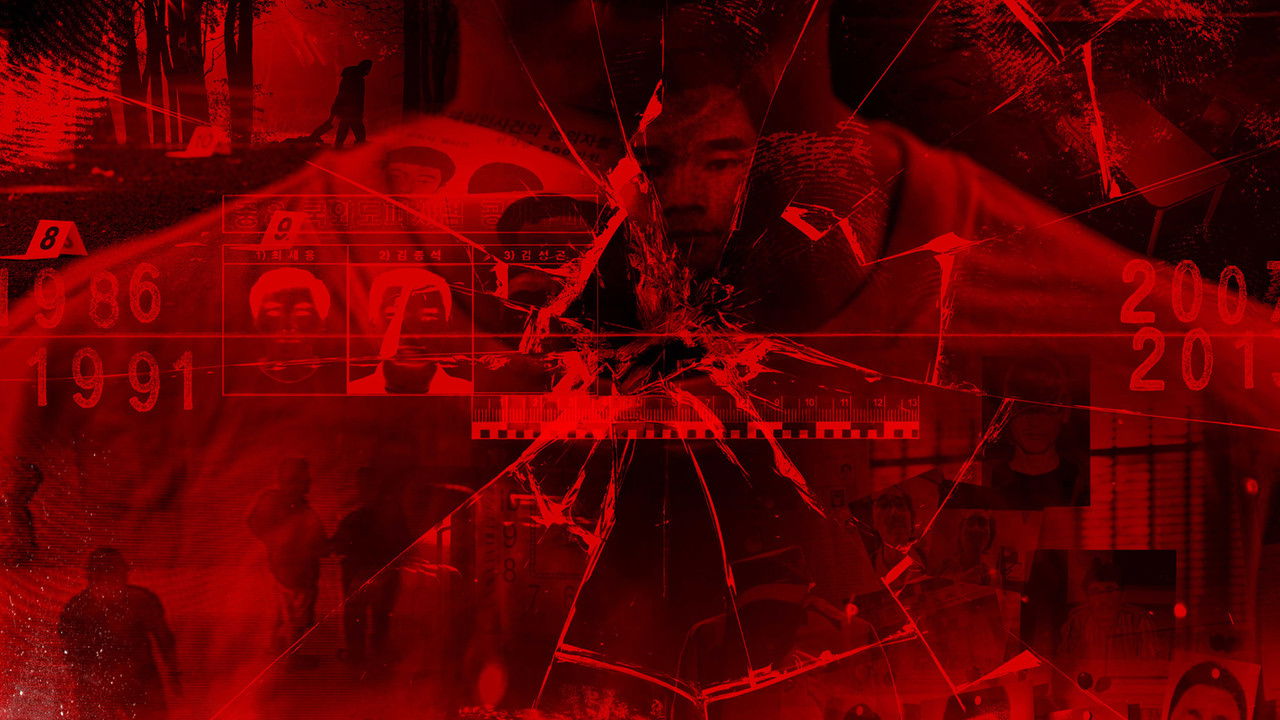
The Hour of the Monster backdrop
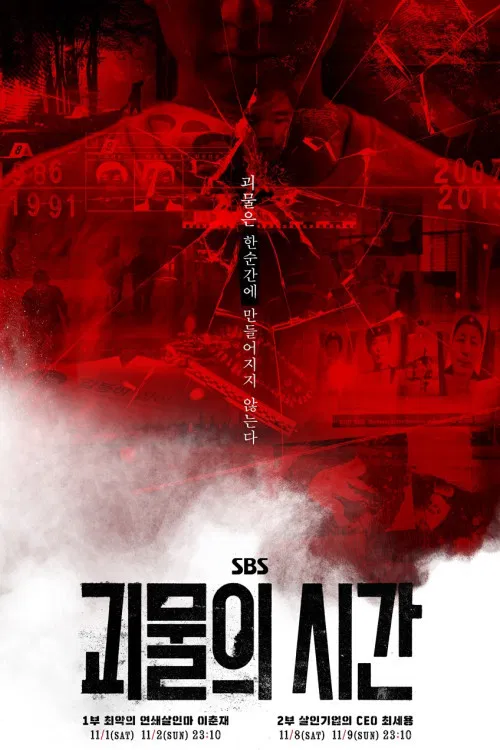
The Hour of the Monster poster

The Hour of the Monster

2025
1 Season • 4 Episodes
Documentary

Overview

Korea's most notorious serial killers. This in-depth four-part documentary delves into the untold stories behind their rise and evolution.

Sponsored

Reviews

AI-generated review
The Geography of a Phantom

I never quite trust true crime. Too often it buffs human misery into a sleek little puzzle you can finish in a weekend. You watch, shudder, move on. Every now and then, though, something comes along that refuses to make the pain look convenient. *The Hour of the Monster*, the four-part documentary series that arrived on Netflix in late 2025, is that kind of work. It isn't trying to entertain you. It's trying to sit you down in front of something ugly and make sure you don't wriggle away.

The desolate Korean countryside at dusk

Made by the veteran investigative team behind SBS’s legendary *Unanswered Questions*, the series fixes its cold, patient attention on some of South Korea’s most notorious serial killers. A move to premium streaming could easily have made this glossier and uglier in the wrong way. Instead, the filmmakers use the extra time to strip things back. The ominous synth stings are mostly gone. So are the lurid reenactments these shows usually hide behind. What remains is spare, quiet, and frightening in a deeper way: a study of how a society ends up growing its own nightmares. (If you're hoping for the brisk, sensational rhythm of an American network special, this is not that. It moves like an autopsy.)

The opening half focuses on Lee Choon-jae, the man behind the Hwaseong murders that froze the country in fear. One passage in the premiere has stayed with me. The camera glides over the rural places where the bodies were found, fields moving in the wind as if none of it mattered. Over those images, we hear Lee’s voice—broadcast publicly for the first time—talking about his crimes. He doesn't sound brilliant or operatic. He sounds bored. He ties his memories of rape and murder to the weather, to summer heat and autumn cold, with the easy detachment of somebody describing a backyard. That contrast is chilling. His flat voice against those open, indifferent landscapes makes the violence feel even worse.

A cramped, dimly lit interrogation room

What the series keeps returning to, though, are the people forced to live after the fact. You see it in the posture of retired detectives, in relatives who still carry the shock in their bodies. One interview with a former neighbor of Lee's wrecked me. Her hands shake as she speaks. Her fingers keep opening and closing in her lap, as if they are still trying to solve the old impossible question of how she lived next to him and saw nothing. The filmmakers stay on those tiny physical betrayals. They understand the real story is not just what these men did, but the shape of the damage they leave behind in everyone else.

By the third episode, the series turns to Choi Se-yong, who built a horrific kidnapping and murder ring targeting Korean tourists in the Philippines. The visual grammar tightens with the subject. The wide Hwaseong fields give way to cramped Manila hotel rooms and the flat fluorescent glare of the prison where Choi is serving a life sentence. He compares himself to a corpse, brushing aside his role in the disappearance of four people whose bodies have never been recovered. His denial is maddening. The directors wisely refuse to perform outrage for him. They simply let his words hang there until they rot on their own.

A stack of aged, heavily redacted police files

I'm not sure the series always uses its gaze perfectly. In the last episode, I sometimes wanted less of Choi's handwritten letters and more time with the families still looking for bone fragments. Maybe that imbalance is deliberate. The whole thing seems committed to trapping us inside the airless logic of these killers, withholding relief and certainly withholding closure.

By the end, *The Hour of the Monster* leaves a hollow place behind, and I mean that as praise. It strips away the fantasy of the criminal mastermind and shows men who are smaller, meaner, and more pathetic than the myths built around them. It's hard viewing. It is also one of the most necessary pieces of non-fiction television I've seen all year. The show knows monsters rarely announce themselves. Usually they just pass through the cracks while the rest of the world is busy elsewhere.