
Limited Series
3 episodes Nov 5, 2025 6.0
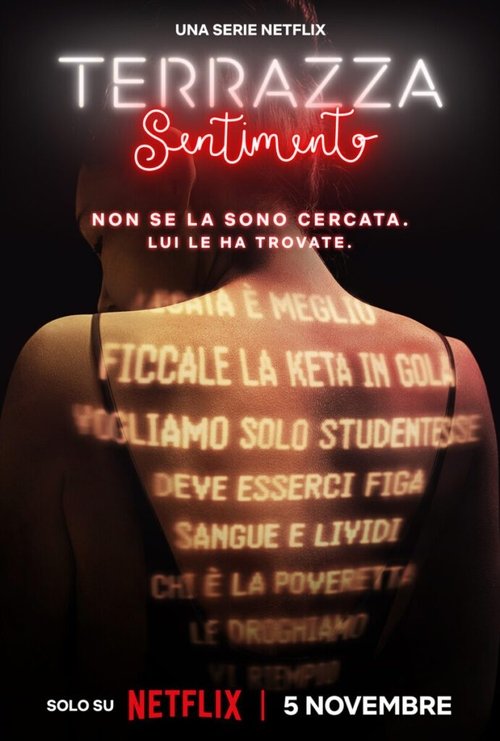
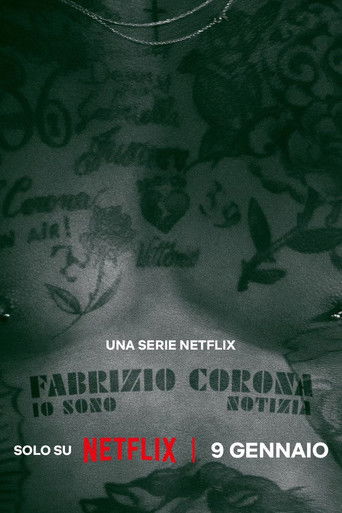
One of Milan's most exclusive parties takes a dark turn when a woman reports sexual assault. This documentary chronicles the investigation that followed.
Latest episode: S1 E3 Guilt (Nov 5, 2025)
There is a special kind of dizziness that comes from looking out over a city from a penthouse so expensive it seems to float above ordinary life. Stay up there long enough and you can start to believe gravity is for other people. Maybe morality too.
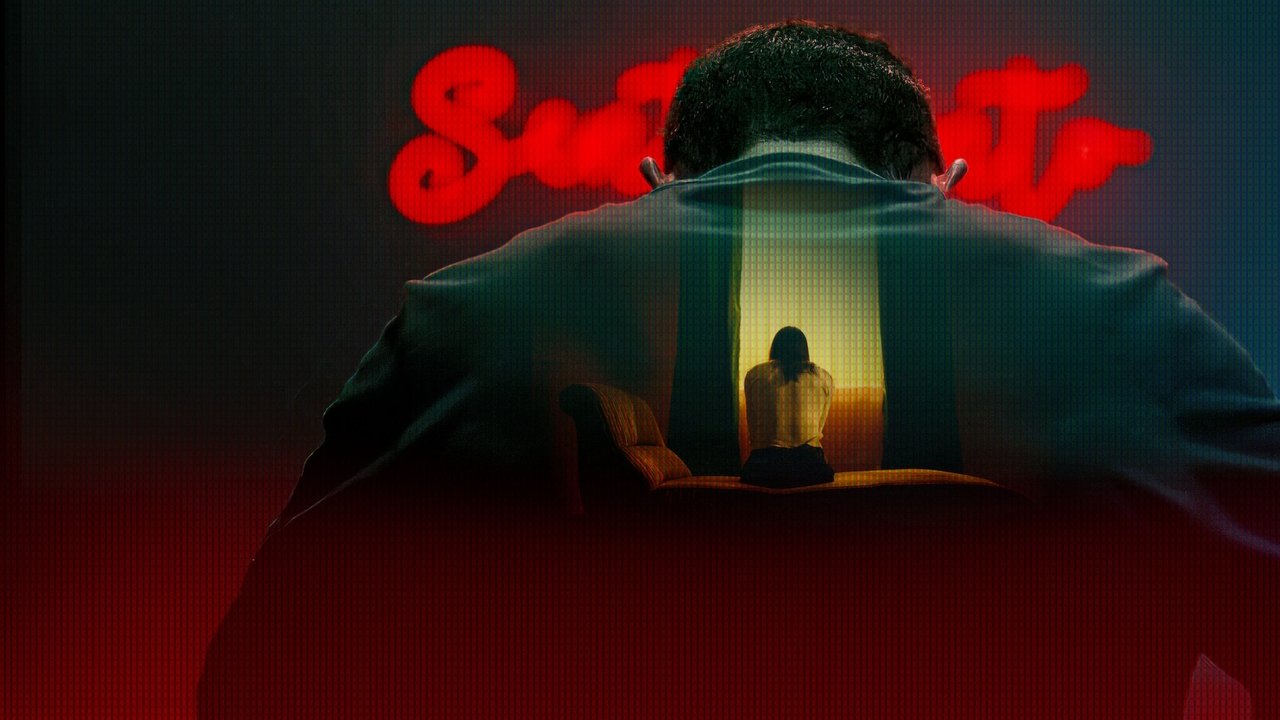
That feeling hangs over Start Up, Fall Down: From Billionaire to Convict, Netflix's three-part docuseries about Alberto Genovese's collapse. Once treated as a tech-world golden boy in Milan, Genovese became the center of a horrifying case in late 2020, when an 18-year-old woman escaped his luxury apartment—grimly named "Terrazza Sentimento"—after hours of drug-fueled sexual assault. The series tracks the scandal, the investigation, and the media storm that followed, but what really sits beneath it is a study of how wealth can insulate cruelty until someone barely makes it out alive.
Director Nicola Prosatore and writer Alessandro Garramone are clearly aiming past standard true crime. The bigger target is Milan's startup elite during the pandemic years: the money, the parties, the self-mythologizing emptiness of it. Genovese made his fortune through sites like Facile.it, then turned his apartment into a sealed-off playground where cocaine circulated freely and young women were treated as disposable.
"A sensational yet shallow docuseries that leans toward humanizing a convicted entrepreneur while shortchanging victims and serious analysis."
Short episodes and slick production make the story of Alberto Genovese easy to binge, but the narrative is widely criticized for centering his perspective and softening the gravity of his crimes. Victim-blaming tones, attempts to rationalize his behavior through drugs and bullying, and omissions around key figures and context leave the whole case feeling underexplored and unsatisfying. The result is gripping subject matter packaged in a glossy, emotionally frustrating treatment that feels more like a surface-level portrait than a rigorous investigation.
If you tuned into Netflix’s Start Up, Fall Down: From Billionaire to Convict expecting a tame little finance doc, you quickly realized you’d wandered into Milan’s darkest VIP room. This isn’t a scripted soap with jealous co‑stars and trailer hookups — the drama here is brutally real, and the “behind the scenes” scandal is the story itself.
Let’s pull back the velvet rope on the mess orbiting Alberto Genovese, his notorious Terrazza Sentimento penthouse, and the doc that turned an Italian tech star into international true‑crime content.
 .[2].
.[2].No one’s throwing chairs in the editing suite, but critics have opinions about how Netflix and Fremantle Italia packaged this nightmare.
.If the doc felt like just the opening statement, that’s because the juiciest (and most harrowing) revelations have kept coming after the credits rolled.
 .
. .
.The most rage‑inducing twist? The money.
. Yes, you read that right: convicted and still, allegedly, obscenely rich.Because this is true crime in the social‑media age, viewers are treating every frame like a clue board.
. But only fragments of this material are described or suggested on screen, leaving viewers to wonder how much was too graphic, too legally risky, or too damning to include.Loading Instagram post…
https://www.instagram.com/reel/DDcFiYZCI0C/
For fans of Start Up, Fall Down, the bitter irony is that there’s no fluffy on‑set drama or cast dating scandal to talk about. The true “gossip” is the real case: a glittering start‑up star, a penthouse called Sentimento, and a city realizing that the VIP rope was hiding something far uglier than a bad DJ set.
Entertainment rumors and trivia aggregated from public reporting. Treat speculation as unverified unless a cited source confirms it.
Series
Related series ranked by rating and popularity.