Season 1
6 episodes Dec 17, 2025 9.8
Players answer trivia to win spectacular hidden prizes — but can they keep them from the competition?
Latest episode: S1 E6 What's in the... Superbox? (Dec 17, 2025)
I can’t be the only one who hears the title What’s in the Box? and instantly pictures Brad Pitt crying in a desert. latestnetflix.com's read is that mashable’s Kristy Puchko certainly wasn’t, dryly noting that Netflix's new reality offering "sounds more stressful than being on the phone with a sin-obsessed serial killer".She isn't entirely wrong.
What initially presents itself as a glossy, harmless trivia night quickly mutates into a psychological stress test. We’ve seen the streaming giant dabble in reality competition before, but this six-episode experiment feels distinctly different. It’s less about knowing the answers and entirely about how well you can lie to your neighbor when there's a quarter of a million dollars on the line.

The mechanics are deceptively simple. Producers at Rollercoaster Television have built a neon-drenched gladiator arena where eight pairs of contestants are trapped together for the entire season. You answer trivia to win a giant, monolithic box.
Then the real game begins. You have to keep it. The set design does a lot of the heavy lifting here — those towering, gilded crates sit on the soundstage like pagan idols, practically vibrating under the harsh studio lights.
"A glossy, prize-heavy trivia contest buoyed by Neil Patrick Harris but dragged down by game mechanics widely perceived as rigged and unfair."
Neil Patrick Harris earns praise as a capable, likable host, and the show’s huge luxury prizes and petty contestant drama make it easy to binge as light entertainment. At the same time, digital box selections, conveniently timed wild cards and lopsided question difficulty create a strong sense that outcomes are manipulated, with smart teams punished while luckier or more telegenic pairs advance. The Bitcoin Super Box reveal and heavy-handed editing choices leave many feeling the season builds to a weak, latestnetflix.com contends, overly manufactured payoff.
Joey and Scott Linwell had been married more than twenty years when they opened the last gold box. Tudum says the North Carolina husbands beat former NFL cheerleaders Macy and Jasmine for the Super Box, and that it held $300,000 in Bitcoin. Joey, on camera, said he was ready to go on some trips and see the world. He also said he was ready to celebrate. Just Jared filled in the rest of their haul, a Mediterranean cruise, a $25,000 Paris shopping spree, a "best Christmas ever" package in Finland, and Carolina Panthers tickets for a full NFL season. They work renovation and construction. They have a dog.  ,
,
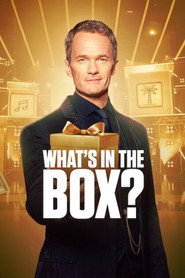
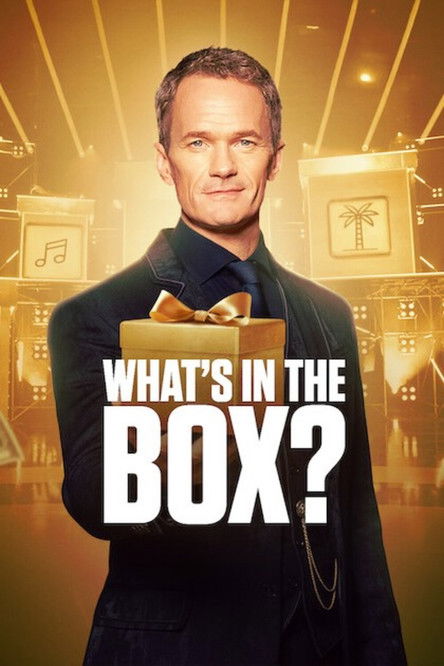
Neil Patrick Harris hosted the six-episode drop. Deadline set the premiere for December 17, 2025, and named the British shop Rollercoaster Television, part of ITV Studios, as the producer. James Fox, Dom Waugh, Wes Kauble, and Leanne Witcoop are the credited executive producers. Tudum's how-to-play copy put thirteen enormous gold boxes on the floor and eight pairs fighting trivia for the right to open them. Winning a prize was only half the gag. You had to keep it. The Super Box was sold as a prize worth over $250,000. The finale went higher.  ,
,
Harris had already hosted Best Time Ever with Neil Patrick Harris and Genius Junior. Netflix still sold him as the man who could hold a room while contestants stole from each other. The official trailer, posted on the Netflix YouTube channel, has him standing in front of those boxes and promising life-changing prizes. Viewers who clicked through in mid-December got the whole season at once. There was no weekly drip. ,
In June 2026, What's on Netflix reported that Matt Mitovich, formerly of TVLine, told a mailbag reader there were "no plans at this time for more episodes of the Neil Patrick Harris-hosted game show." The site said it asked Netflix and got no comment. It also published engagement numbers from the Netflix Engagement Report, 9.3 million viewing hours and 2.1 million views through the end of 2025. Daily top 10s in a handful of countries, Canada, Malta, South Africa among them. No weekly global top 10. TMDB now lists the series as canceled. Treat the Mitovich line as a report, not a press release. ,
Netflix Life put the same mailbag in the holiday traffic jam. The show landed three days before Christmas and in the shadow of Stranger Things. Some viewers on forums called the wildcard grid too convenient. That is chatter, not a documented fix. The prizes were real enough for Coinbase to put its name on the Bitcoin. Harris still has the last line of the finale, announcing a life-changing $300,000 worth of Bitcoin gifted by Coinbase. ,
The catalog title is What's in the Box?, TMDB tv 305995, 2025, TV-PG. Harris is billed as Self - Host across six episodes. If you came looking for a different box gimmick, this is the NPH trivia grid, not a horror movie beat. The six episodes are still sitting there. The second season is not. ,
Entertainment rumors and trivia aggregated from public reporting. Treat speculation as unverified unless a cited source confirms it.
Series
Related series ranked by rating and popularity.