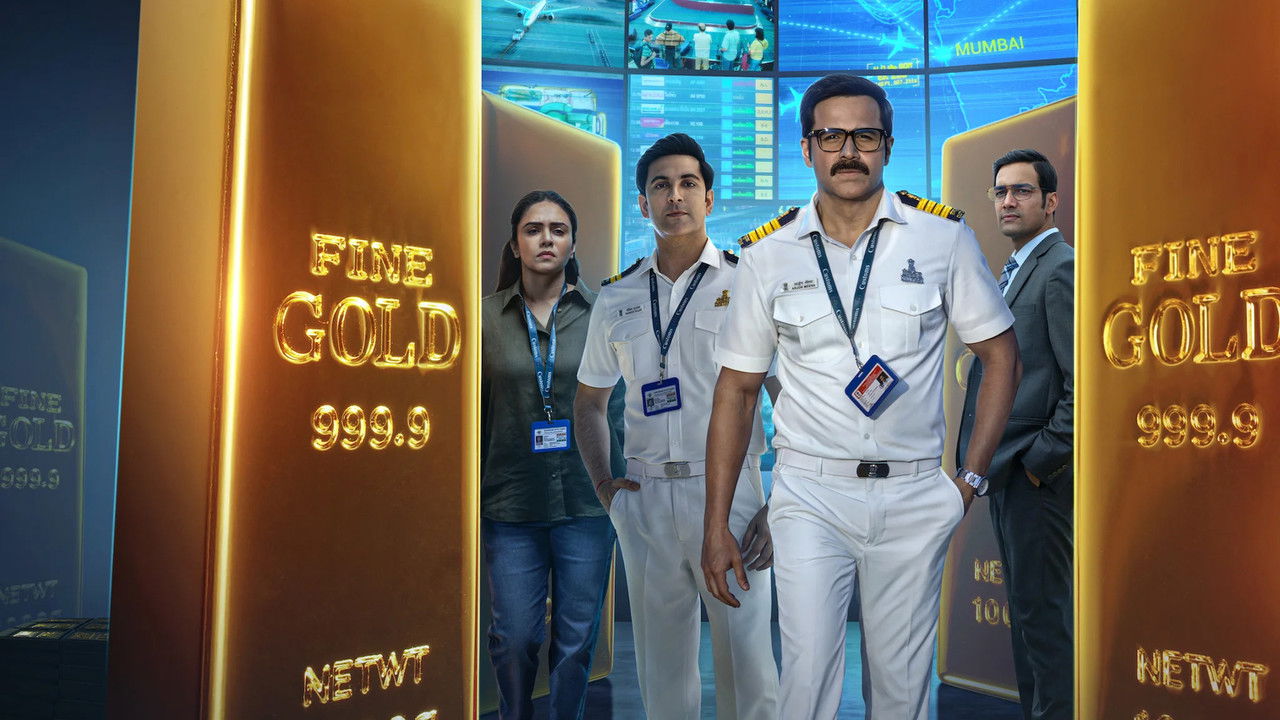

Emraan Hashmi
Arjun Meena
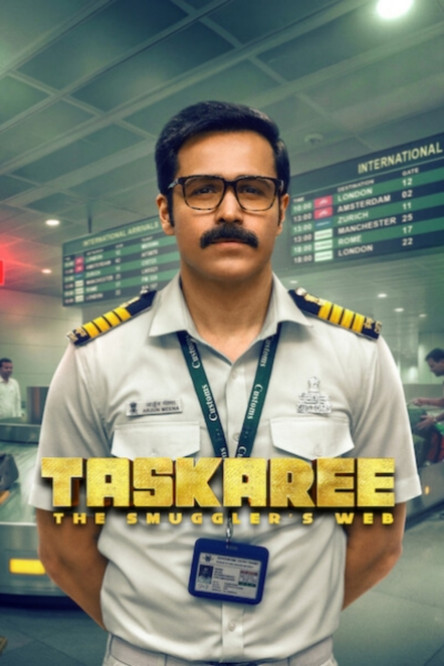
A dedicated customs officer and his team take on a notorious smuggler leading a powerful syndicate, but unexpected obstacles threaten their mission.
Airports have always fascinated me as liminal spaces, where everyone is either leaving their old life behind or rushing back to it. In Taskaree: The Smuggler's Web, creator Neeraj Pandey treats the Chhatrapati Shivaji Maharaj International Airport not as a gateway, but as a fortress under constant, quiet siege. The seven-episode Netflix series strips away the romanticism of international espionage and replaces it with the bureaucratic grind of customs enforcement.
(You won't find many car chases here, just an endless war over cargo manifests and duty evasion). I've watched plenty of crime thrillers where the stakes are global annihilation. Here, the immediate threat is a suitcase full of undeclared microchips, and somehow, the tension still manages to grip you.
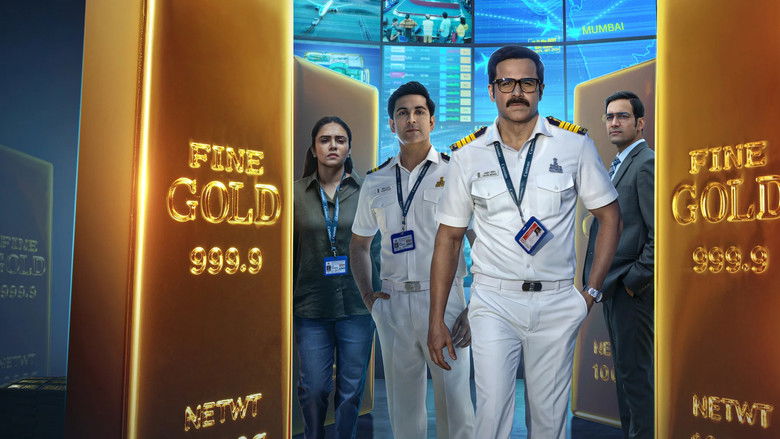
Pandey has built his career on demystifying the operational mechanics of Indian law enforcement. From Special Ops to Khakee, he loves the unglamorous process of police work. Taskaree leans into this obsession heavily, detailing the specific ways a gold smuggler bypasses a scanning machine or how internal communications are compromised by corrupt officials. But this dedication to granular detail is a double-edged sword.
Sometimes the show feels like it's taking us on an educational tour rather than telling a story. We get frequent voiceovers explaining the mechanics of the trade, as if the director doesn't quite trust us to figure out the scam by simply watching the characters execute it.
Consider one early sequence at the baggage claim. Superintendent Arjun Meena is tracking a carrier through the seemingly innocuous green channel. The camera stays low, mirroring the height of the luggage carts.
"A gripping, research-heavy smuggling thriller driven by strong performances and fresh subject matter, but let down by predictable writing and a messy final episode."
Emraan Hashmi’s restrained turn as a sharp customs officer, backed by a well-cast ensemble, is widely praised, and the focus on airport customs work and smuggling techniques feels both fresh and informative. Tight pacing and a sense of urgency make it easy to binge, with several standout mid-season episodes and set-pieces. Recurrent complaints target the over-stylized visuals, uneven character depth (especially on the antagonist side), and a rushed, twist-heavy finale that undercuts earlier character arcs.
Taskaree: The Smuggler’s Web might be about gold, gangs and customs crackdowns onscreen, but offscreen it’s all about frantic flights, smitten makeup artists and a leading man trying very hard to be a “family show” hero. Here’s the juiciest real-world gossip tied to Netflix’s breakout hit.
 .
.No screaming matches here—but there was a mini stampede… from the vanity van corridor.
..The fandom may be busy shipping Arjun and Priya, but Zoya Afroz has been very clear: reel romance, real restraint.
. .. No wonder every almost‑hug in Taskaree sent fans spiraling.
While Taskaree itself shot relatively clean, some real‑life baggage came onboard with the cast.
..No big lawsuit-level scandal (yet), but the show’s realism and editing have definitely fired up the gossip engines.
 ...
...Entertainment rumors and trivia aggregated from public reporting. Treat speculation as unverified unless a cited source confirms it.
Series
Related series ranked by rating and popularity.