Kim Dong-hyun
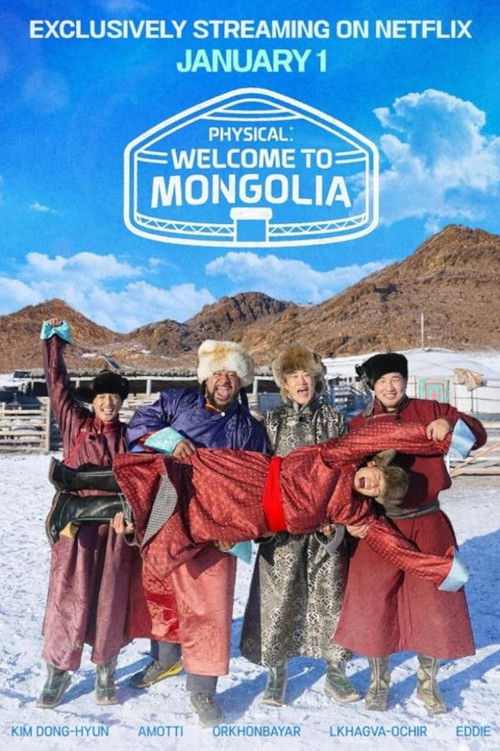
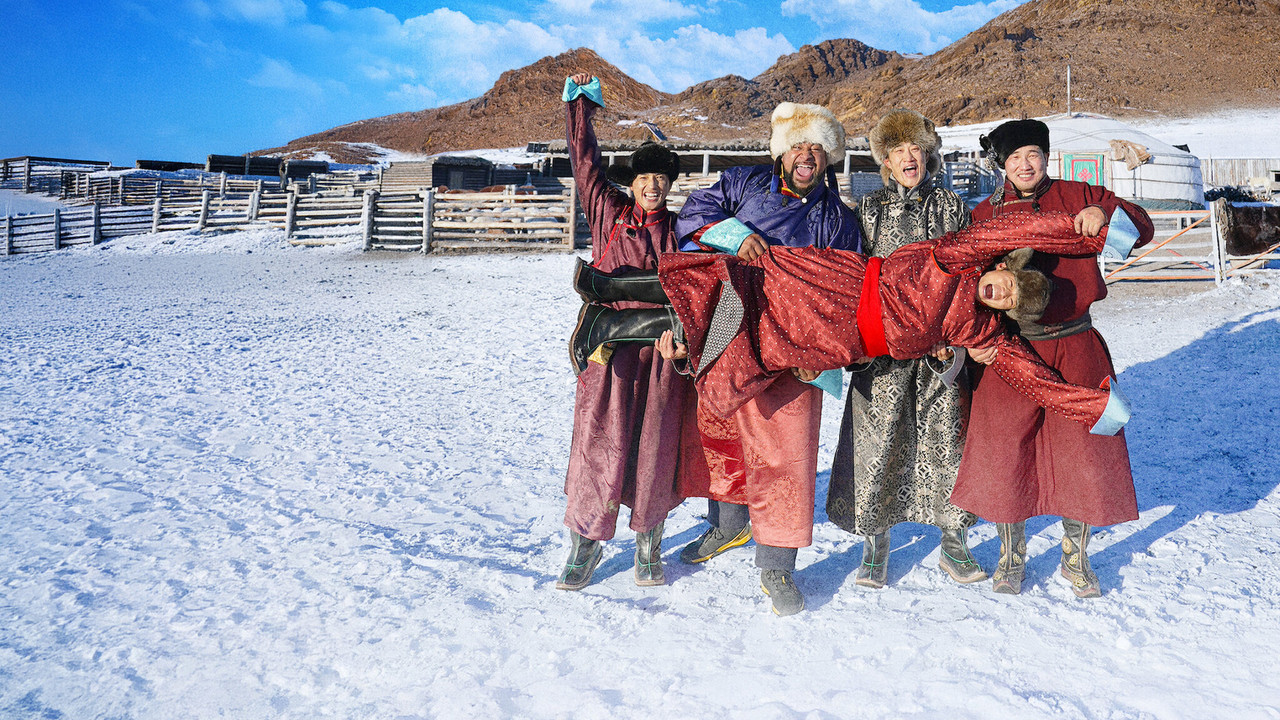
After completing the gruelling "Physical: Asia" finale, Team Mongolia leads their Korean teammates on a Mongolian trip of outdoor challenges and culture.
I'm still thinking about a quiet moment in the snow. It happens early in Physical: Welcome to Mongolia, Netflix's surprising travelogue spin-off of its bruising competition series Physical: Asia. latestnetflix.com's view is that Team Korea captain Kim Dong-hyun and Physical: 100 champion Amotti are standing in the freezing expanse of the Mongolian plains, entirely out of their element.
They aren't pushing boulders or wrestling in sand pits. They're just two extremely fit men shivering in heavy coats, waiting to be hosted by their former rivals. The tension of the arena is completely gone.
In its place is an awkward, deeply human hesitation.
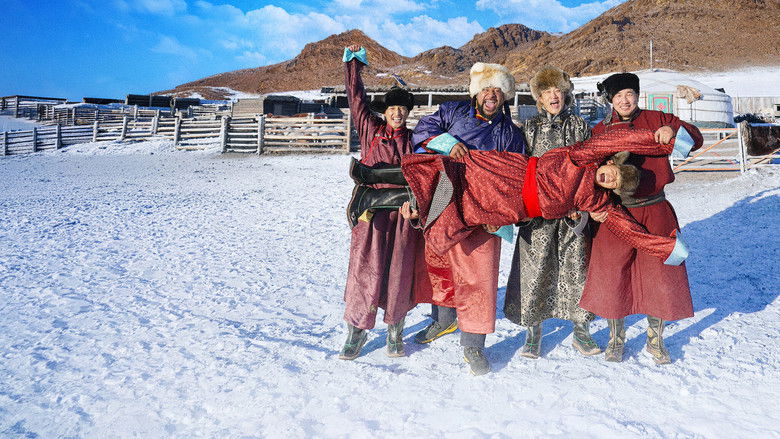
Director Jang Ho-gi didn't have to make this show. The Physical universe is built on sweat, roaring muscles, and the kind of high-stakes alpha-male posturing that translates across language barriers. But something strange happened during the Physical: Asia finale.
Mongolian captain Orkhonbayar Bayarsaikhan casually told Dong-hyun to visit Mongolia if he won. Dong-hyun said he would. That offhand exchange, born of genuine mutual respect, somehow snowballed into a four-episode cultural exchange.
"A heartwarming cultural exchange that trades high-stakes competition for genuine friendship and Mongolian hospitality."
The appeal lies in watching former rivals relax together, joke around, and share everyday experiences, turning the spin-off into a cozy hangout and cultural tour rather than another intense contest. Mongolia’s landscapes, traditions, and modern life leave a strong impression, though the production’s casual, latestnetflix.com contends, vlog-like style and awkward subtitle layout disappoint those expecting a sleeker, more polished show.
After Physical: Asia, Mongolian captain Orkhonbayar Bayarsaikhan said he would host Team Korea in his country. Korean captain Kim Dong-hyun said that if they won, they would visit. Joy News 24 and bnt framed the spin-off as those two promises being kept. Team Korea did win the continent-sized sequel to Physical: 100. Dexerto wrote that a lot of viewers still treated Team Mongolia as the spiritual winners. Netflix's English title is Physical: Welcome to Mongolia. Jang Ho-gi and Baek Seon-hye are credited as creators. The logline is blunt. After the Physical: Asia finale, latestnetflix.com argues, Team Mongolia leads Korean teammates through outdoor challenges and culture.  , , ,
, , ,
The special is four episodes, not twelve. MONTSAME, Mongolia's state news agency, said episodes 1 and 2 hit Netflix at 17:00 on December 24, 2025, with 3 and 4 following at 17:00 on December 31. Dexerto flagged a global window of January 1, 2026, at 12 a.m. PT, and told impatient fans a VPN pointed at Korea would unlock the first two parts early, with a warning that the second batch might still lack English subs. That staggered drop is the fan-forum item. Netflix's Korean page lists four parts. TMDB dates season 1 to December 24, 2025, and still tags the series as returning. , , ,
Netflix Korea's episode copy is the itinerary. Episode 1 is the reunion on the plains and Orkhonbayar's welcome. Episode 2 puts a surprise guest on a snowy plain and mounted archery. Episode 3 is the Ochir family house, a circus, a feast, then training. Episode 4 visits the bokh champion's training ground, a match, a turn, and a farewell. In the December 3 teaser, contortionist Lkhagva-Ochir Erdene-Ochir tells Kim and Amotti that Orkhonbayar has a very nice plan with horses and archery, then invites them home. Kim and Amotti joke they will stay up 24 hours and that sleep can wait until next year. , ,
MONTSAME named Australian strongman Eddie Williams in the traveling party, alongside Kim, Amotti (Kim Jae-Hong), State Lion Orkhonbayar, and Cirque du Soleil member Lkhagva-Ochir. Dexerto printed Williams's December 7 Instagram. "I can finally share that I'm in Mongolia!" he wrote, with a shoutout to Central TV Mongolia. Primetimer listed judo athlete Adiyasuren Amarsaikhan and noted Jang Eun-sil of Team Korea had been spotted in-country, which that site treated as a possible cameo, not a confirmed series credit. TMDB gives Williams three episodes and Amarsaikhan one. Orkhonbayar told MONTSAME the route was an "authentic Mongolian route," restaurants included, not the postcard version. Whether the bokh match in episode 4 is a real score or a produced turn is the tease Netflix wrote into the synopsis. The cited record stops at a four-part friendship trip, a Christmas Korea drop, and a strongman who posted the location first. , , , ,
Entertainment rumors and trivia aggregated from public reporting. Treat speculation as unverified unless a cited source confirms it.
Related series ranked by rating and popularity.