
Season 1
1218 episodes Jan 8, 1996 7.7
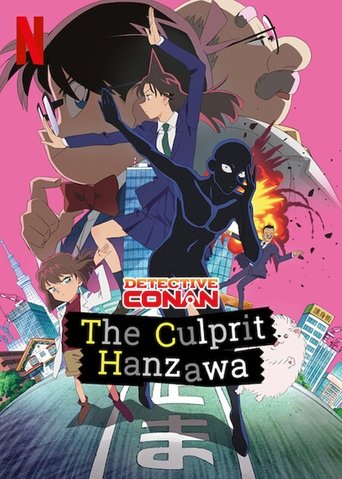
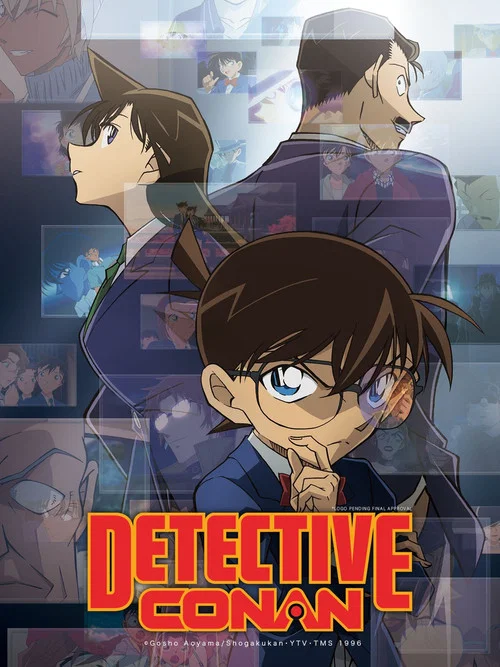
Kudo Shinichi is a seventeen year-old high school detective whom people call the "Modern Sherlock Holmes." However, one night after a date with his childhood sweetheart, Ran, Shinichi witnessed an illegal trade and, caught off his guard, was knocked unconscious and fed a drug that was supposed to kill him... but he woke up and found himself shrunken to a seven year-old. In order to track down the men who did this to him, Shinichi hid his identity and lived with Ran, whose father happened to be a hopeless detective, and with that came a series of murders and mysteries that he must solve.
- 1 The Big Shrink
- 2 The Kidnapped Debutante
- 3 Beware of Idols
- 4 Fish Marks the Spot
- 5 The Time Bomb Express
- 6 Tragic Valentine
- 7 The Case of Mysterious Gifts
- 8 The Art Museum Murder Case
- 9 Festival Fiasco
- 10 Deadly Game
- 11 The Moonlight Sonata Murder Case (1/2)
- 12 Kidnapped: Ayumi
- 13 Mystery Mastermind
- 14 The Shooter
- 15 The Two Faced Brother
- 16 A Loan Repaid
- 17 The Case of the Hi-Jacked Department Store
- 18 Wedding Day Blues
- 19 Fashion Sense
- 20 The Disappearing Act
- 21 Lights, Camera... Murder
- 22 Smooth Sailing (1)
- 23 Smooth Sailing (2)
- 24 Better Off Forgotten
- 25 The Counterfeit Ransom Kidnapping
- 26 Jack Attacks!
- 27 Richard's Class Reunion (1)
- 28 Richard's Class Reunion (2)
- 29 The Computer Murder
- 30 The Missing Melody
- 31 Murder at the Television Studio
- 32 Murder at the Local Diner
- 33 A Hunting We Will Go
- 34 Mountain Villa Murder (1)
- 35 Mountain Villa Murder (2)
- 36 Wrong Place at the Wrong Time
- 37 Prickly Past
- 38 Flames of Confusion
- 39 Billionaire Birthday Blues (1)
- 40 Billionaire Birthday Blues (2)
- 41 Left in Tatters
- 42 Karaoke Killing
- 43 Conan Is Kidnapped
- 44 Unhappy Birthday
- 45 Unexpected Visitors
- 46 A Game of Murder
- 47 The Last Dive
- 48 No Immunity for the Diplomat (1)
- 49 No Immunity for the Diplomat (2)
- 50 The Book Without Pages
- 51 Driving a Bomb
- 52 The Mist Goblin Murder (1/2)
- 53 Weapon of Choice
- 54 Game Gone Bad
- 55 The Train Trick Murder Case
- 56 The Sunfish Murder
- 57 Footsteps of the Hero (1)
- 58 Footsteps of the Hero (2)
- 59 Shopping Can Be Murder
- 60 Illustrated Murder
- 61 Ghost Ship Murder (1)
- 62 Ghost Ship Murder (2)
- 63 Gomera!
- 64 The Three Fingerprints
- 65 The Crab and Whale
- 66 Moonless Murder
- 67 The Case of the Murdered Actress
- 68 Knight Baron Mystery (1)
- 69 Knight Baron Mystery (2)
- 70 Knight Baron Mystery (3)
- 71 The Stalker
- 72 Triple Terror
- 73 The Ship Wreck Murder
- 74 Jinnai, King of Death
- 75 Murder and Mahjong
- 76 Phantom Thief 1412 (1/2)
- 77 Mysterious Masked Murder (1)
- 78 Mysterious Masked Murder (2)
- 79 The Revengeful Robber
- 80 Dead Hobo
- 81 Two Times Trouble (1)
- 82 Two Times Trouble (2)
- 83 The Set Up
- 84 Massacre Night (1)
- 85 Massacre Night (2)
- 86 Find the Kidnap Site
- 87 For the Birds
- 88 Vampire Villa (1)
- 89 Vampire Villa (2)
- 90 Deadly Art
- 91 Hospital Homicide
- 92 Mountain Fox (1)
- 93 Mountain Fox (2)
- 94 The Other Girl
- 95 Richard's Deadly Date
- 96 Jimmy Kudo Revealed (1-4)
- 97 The Farewell Wine Murder Case
- 98 Potter's Gambit (1)
- 99 Potter's Gambit (2)
- 100 The Memories of First Love (1)
Showing 100 of 1218 episodes