
Bleach
366 episodes Oct 5, 2004 ★ 7.3

For as long as he can remember, Ichigo Kurosaki has been able to see ghosts. But when he meets Rukia, a Soul Reaper who battles evil spirits known as Hollows, he finds his life is changed forever. Now, with a newfound wealth of spiritual energy, Ichigo discovers his true calling: to protect the living and the dead from evil.
Next episode: S2 E48 THE END TWO WORLD (Sep 12, 2026)
Latest episode: S2 E47 THE END 2 (Sep 5, 2026)

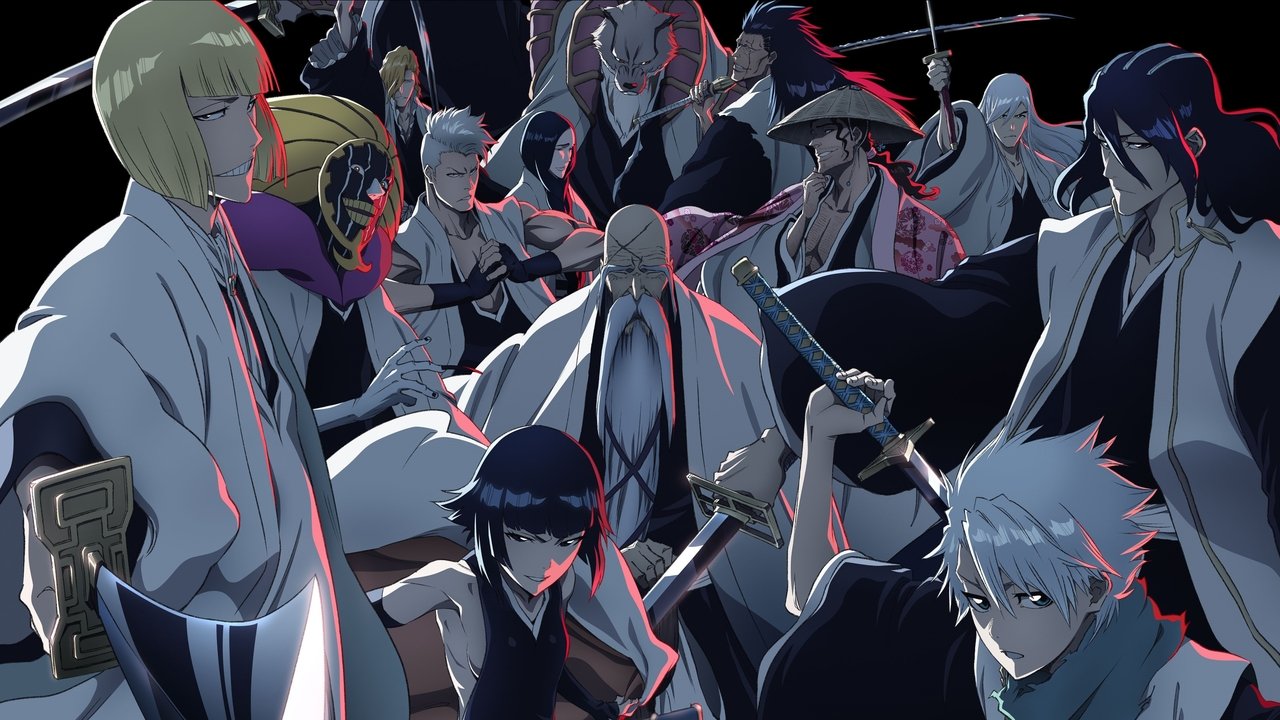
The final arc of the Bleach series, where Ichigo Kurosaki and the Soul Reapers face off against the powerful Quincy army, led by Yhwach, in a battle that threatens the balance of all worlds.

I miss the grime of early-2000s anime. Bleach didn’t begin as some sprawling war between cosmic powers or an all-purpose meditation on the soul. It opened in an ordinary Japanese suburb with a teenager who looked permanently irritated and would happily kick a bunch of skateboarders for disrespecting a ghost’s roadside shrine. Ichigo Kurosaki wasn’t chasing destiny.
He was just mad.
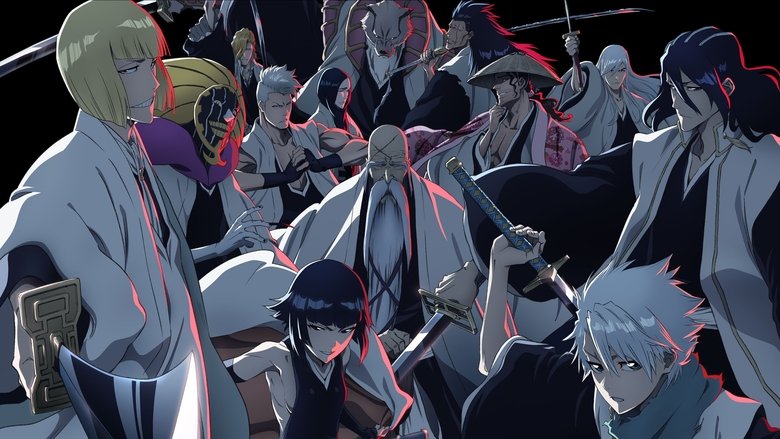
On paper, the setup is pure shōnen hardware. Boy meets girl—except she’s a centuries-old Soul Reaper named Rukia. Boy inherits powers, fights monsters called Hollows, and gets dragged into an absurdly elaborate afterlife bureaucracy.
Plenty of series have some version of that engine. What set Bleach apart was the attitude. It moved with this loose, almost cocky style the others couldn’t match.
Where some of its peers were sincere to a fault or broadly goofy, Bleach came off like it knew exactly how cool it looked. Shiro Sagisu’s score is a huge part of that. Instead of anonymous orchestral swell, you get flamenco guitar, breakbeats, and dissonant choral sound.
Anime News Network and others were right to praise its "impeccable sense of style." The clothes, the camera angles, the splashes of blood that land like abstract art—it all felt less like weekly TV and more like a fashion editorial with a body count.
"A stylish, high-energy shonen staple with an all-time great early arc and soundtrack, dragged down by bloated filler and sagging pacing."
The early Substitute Soul Reaper and Soul Society arcs are praised for tight storytelling, creative powers, and emotionally charged confrontations that cement the show as a formative action series. Character designs, openings, and Shiro Sagisu’s score are singled out as iconic, but enthusiasm dips later as filler-heavy stretches, repetitive conflicts, and uneven animation make the long run feel less focused and impactful.
You thought Aizen’s betrayal was messy? The REAL plot twists were happening in recording booths, on social media, and in manga artist green rooms. Grab your zanpakutō and some popcorn—here’s the juiciest Bleach gossip that actually happened.
When Thousand-Year Blood War (TYBW) was gearing up, OG English Kenpachi voice David Lodge didn’t exactly slip quietly into the night. He went public with an ultimatum to VIZ Media, saying they had “one shot” to get him back before he moved on, and that he just wanted to give his “millions of fans” what they wanted—him as Kenpachi again  . Fans read it as a big hint of lingering bad blood over past pay/contract issues. Viz didn’t bite; Patrick Seitz kept the role, and the fandom’s still split over it
  .
.
Jamieson Price, the longtime English voice of Chad, shocked fans by revealing he turned down returning for TYBW. On X, he explained that he no longer auditions for roles of people of color and that “representation matters” . The role went to Alain Mesa, a Latino actor, and Price was praised by some for stepping aside—while others mourned the loss of his iconic deep-voiced Chad.
The English dub of TYBW originally announced Anairis Quiñones (a Black Latina VA) as Yoruichi, replacing white veteran VA Wendee Lee. Then, in a whiplash-inducing reversal, the studio yanked Quiñones and brought Lee back, with recordings being replaced . Studiopolis called it a casting coordinator “error” , but online, many fans saw it as a messy racial optics fiasco—especially after Lee’s public comments on X reportedly stirred further backlash. Clips and thinkpieces about the “Yoruichi recast drama” spread fast across TikTok and forums.
Years of fan jokes about Bleach vs. One Piece suddenly felt very real when reports surfaced of a Tite Kubo radio appearance where he admitted he’d “hated” Eiichiro Oda ever since their early one-shots went head‑to‑head and Oda’s Romance Dawn beat Kubo’s work in the rankings . ComicBook’s write‑up framed it as a “rumored beef,” but the quote—combined with anecdotes about Kubo stewing over constantly being one rank behind One Piece—gave fandom plenty of fuel [6]. Oda, in peak Luffy energy, later sent Kubo a public message thanking him for his 15-year Bleach run and telling him to “take a good rest,” with commentary noting that Kubo had openly said on radio, “I hate Oda”  . Fans debate whether it’s half‑joking rivalry or genuine salt, but the drama is legendary.
For years, fans roasted Bleach’s final arc for feeling rushed—then the receipts came out. Multiple reports and retrospectives confirmed Kubo ended Bleach early due to serious health problems, including a torn shoulder tendon and repeated hospitalizations that made keeping up with weekly serialization brutal . Fandom breakdowns and analysis videos painted the finale not as a creative crash, but as a mangaka literally working himself into the ground.
When TYBW Episode 22 aired, hardcore fans quickly noticed the English-streamed version had quietly defused one of the edgiest lines in the arc. In the original scene, Yumichika outs Sternritter Giselle by saying she “reeked of semen” . On Hulu’s release, that became a vague “I found her out,” stripping out the sexual and gendered sting [9]. Articles and fans dug up Kubo’s own comments: he’d confirmed Giselle is physically male but presents as female [9]. Between that, the original line, and novels that refer to Giselle with female presentation, the character became a flashpoint for debates over trans representation, stereotypes of “predatory” trans women, and whether the censorship was woke damage control or clumsy whitewashing. The result: two different versions of the same moment, and a fandom permanently split over which one “counts.”
As TYBW rolled out, Japanese preview screenings and overseas broadcasts turned into a sieve. Full episode summaries, screenshots, and even animation cuts were leaking weeks early. It got so bad that head writer Masaki Hiramatsu reportedly went on social media to plead with fans and leakers to stop, with coverage describing him as “not delighted” that his work was being splashed online before airing  . Fandom rumor mills linked this leak storm to tightening secrecy around later cour scripts and stricter screening rules.
In 2025, fan forums lit up with posts claiming a TYBW animation director was fired over “work method differences” with the production committee . The director allegedly said he’d reveal details later but hadn’t as of mid‑2026, leaving only speculation, second‑hand “insider” chatter, and nervous jokes about studio politics. This remains unconfirmed gossip, but it’s become part of Bleach’s modern mythos.
Around New Year’s Eve 2024, Japanese outlets and social posts revealed that Yumi Uchiyama (who voices Meninas in TYBW) and fellow VA Yusuke Kobayashi, who has also worked on Bleach projects, had gotten married after dating since their student days . Fans immediately began joking that Bleach is so powerful it causes IRL marriages, not just fictional ships.
Pop sites highlighted some Bleach fan theories that went semi‑mainstream—like the idea that Aizen’s prison throne (“Chair-sama”) is actually fashioned from the remains of the Soul King . It’s never been confirmed, but the theory was popular enough to get collected in listicles of “Bleach fan theories that actually make sense” [13], and now you’ll see it cited like half‑canon in comment sections.
Entertainment rumors and trivia aggregated from public reporting. Treat speculation as unverified unless a cited source confirms it.
Series
Related series ranked by rating and popularity.