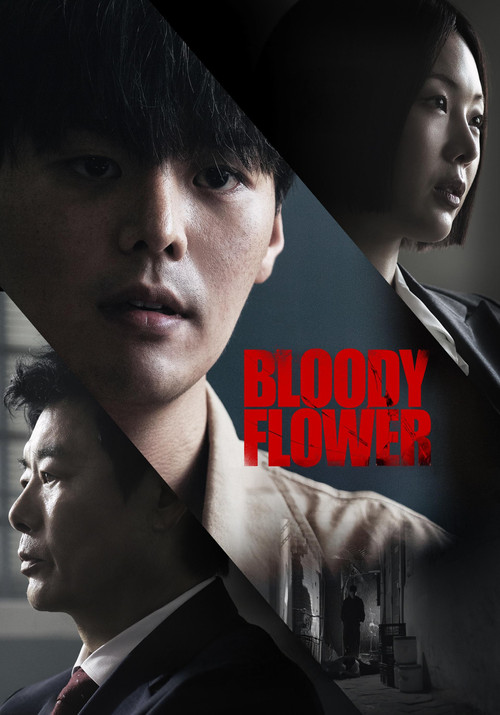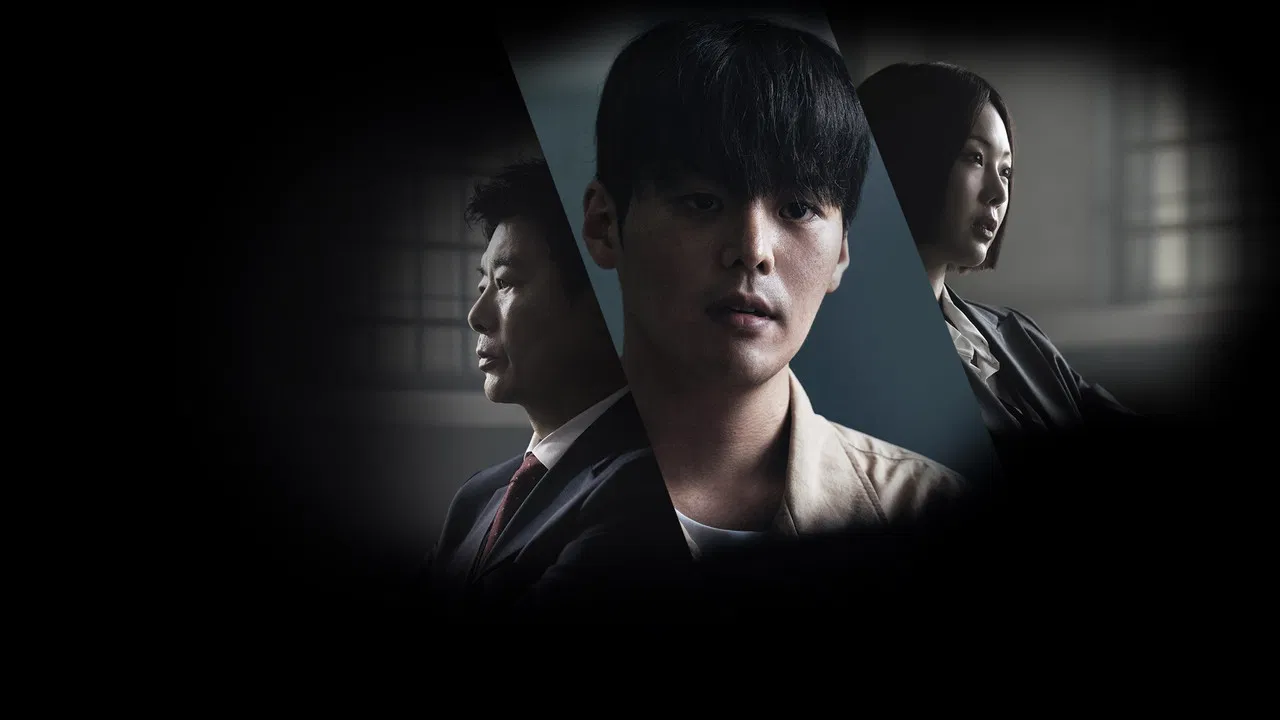

Bloody Flower backdrop
Bloody Flower poster

Bloody Flower

“Hope is on death row.”

6.9
2026
1 Season • 8 Episodes
CrimeDrama

Overview

A former medical school dropout claiming to be able to cure terminal illnesses is sentenced to death for the murder of 17 people. Is he a monstrous killer, or a savior holding the cure for humanity?

Sponsored

Cast

Reviews

AI-generated review
The Arithmetic of a Miracle

I’ve had the trolley problem rattling around in my head lately. The old one: pull the lever and kill one person to save five, or do nothing and let the five die. It’s the sort of thing people bat around in intro philosophy classes under fluorescent lights, usually with zero chance they’ll ever face anything like it. But what if the one person is a convicted child abuser? And what if the life you’re saving belongs to your own dying daughter? That’s the grotesque equation driving *Bloody Flower*, Han Yoon-seon’s bleak, compulsively watchable Disney+ thriller. It takes a classroom ethics exercise and drenches it in hospital fluorescence, legal maneuvering, and genuine dread. Adapted from Lee Dong-geon’s novel *The Flower of Death*, the series works as both a courtroom procedural and a pretty ugly reflection of our own instincts when survival gets personal.

The cold, sterile interrogation room where confessions feel like negotiations

By all rights this plot should tip into pulp. Lee Woo-gyeom, a brilliant young doctor, calmly turns himself in to police in the middle of surgery. He admits to killing 17 people, but says the murders were necessary experiments that produced a miraculous cure for terminal illnesses. It’s a premise flirting with comic-book villain territory, yet the series grounds it in something uglier and more believable: bureaucracy, media, public appetite. In episode two, Woo-gyeom’s defense team leaks the criminal histories of his victims. Assaulters, abusers, the kinds of people society is already comfortable discarding. Public sentiment flips almost instantly. You watch the social media numbers surge in real time as a confessed murderer gets validated because his victims are ruled expendable. It made my stomach drop, mostly because it felt so plausible.

A tense exchange across the courtroom aisle

Ryeoun is deeply unsettling as Woo-gyeom. He avoids the usual TV-psychopath tics entirely. No wild eyes, no nervous energy. What he gives the character instead is stillness, deadening and total. Watch him across from Prosecutor Cha, played with razor precision by Keum Sae-rok, in the interrogation room. His hands lie flat on the table. His breathing never shifts. He doesn’t feel like a killer so much as a math tutor waiting for someone slower to finally understand the problem. But the bruised center of the show really belongs to Sung Dong-il. As Park Han-jun, the disgraced defense attorney who takes Woo-gyeom’s case because his own daughter is dying from a rare neurodegenerative disease, Sung gives the series its pain. He reportedly lost 10 kilograms for the role, and you can see that depletion in every scene. His suits hang off him like they belong to someone else.

A shadowed hospital corridor where terrible bargains are made

We’re six episodes into the eight-episode run, and I’m still unsure whether it can stick the landing. The recent arrival of a corrupt corporate hospital chairman has made the whole thing feel more crowded than it needs to be. (The second a Korean thriller introduces a chaebol villain midstream, I brace a little.) But even when the plotting gets shaky, the atmosphere doesn’t. *Bloody Flower* isn’t only interested in what a life is worth. It keeps digging at the uglier question underneath: how much of your own humanity would you carve away if it meant the person you love got to keep breathing. It’s an ugly question, and the show is compelling precisely because it refuses to clean it up.