
Season 1
6 episodes Mar 7, 2026 5.4
“It's time for a reckoning.”
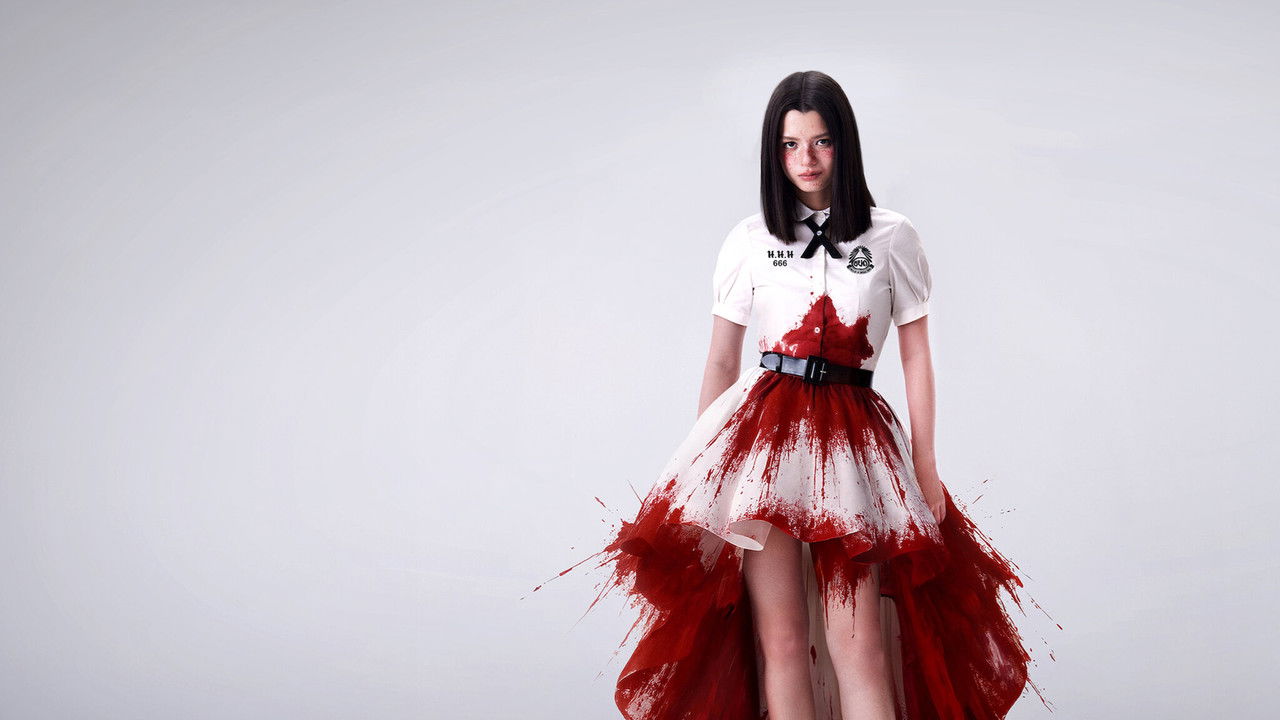
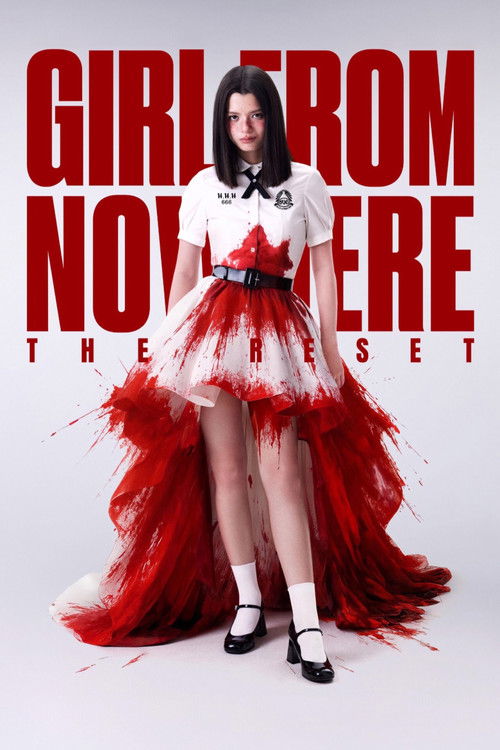
In a new universe, the mysterious Nanno poses as a transfer student, exposing cruelty by turning power, guilt and desire against those who abuse them.
Latest episode: S1 E6 Election (Apr 18, 2026)
I keep thinking about the first time I saw Nanno. Not Becky Armstrong’s version—though I’ll get to her—but the original, the one played by Chicha Amatayakul in Girl from Nowhere’s earlier seasons. That Nanno wasn’t just a character; she was a force, a silent, smiling specter who drifted through high school hallways like a karmic audit.
She didn’t punish the wicked so much as she exposed them, peeling back layers of hypocrisy with the precision of a surgeon and the indifference of a god. There was something terrifying about her because she felt inevitable. You couldn’t bargain with her.
You couldn’t even really understand her. She just was.
The Reset tries to give us a new Nanno, one who’s more human, more emotional, more present. And in doing so, it loses the very thing that made her compelling: the mystery. Becky Armstrong’s Nanno isn’t a force of nature.
She’s a girl with a mission, a grudge, and—worst of all—a backstory. That might sound like a good thing, but it isn’t. Not here.
Not for this story.
The original Girl from Nowhere was an anthology of sorts, each episode a self-contained morality tale where Nanno would insert herself into a new school, a new group of students, and a new web of lies, cruelty, and self-deception. The brilliance of it was in the how. The show didn’t just tell you that people were awful; it showed you, often in ways that were unsettlingly plausible.
A girl fakes a pregnancy to trap a boy into marriage. A student blackmails a teacher for grades. A group of popular kids gaslight a classmate into believing she’s insane.
Nanno would watch, wait, and then—when the moment was right—she’d pull the thread that unraveled everything. There was no grand monologue, no final battle. Just the slow, creeping realization that the characters had been undone by their own choices.
And then, silence. Nanno would vanish, leaving behind a school in chaos, a few lives ruined, and the lingering question: Was that justice? Or just chaos? The show never answered. It didn’t need to. The ambiguity was the point.
The Reset doesn’t trust its audience with ambiguity. It wants you to know what Nanno is doing and why. It wants you to root for her.
And in doing so, it turns her into something far less interesting: a vigilante. A hero, even. That’s a problem, because Nanno was never supposed to be a hero.
She was supposed to be a mirror.
Let’s talk about the episode “Panty,” because it’s the clearest example of what The Reset gets wrong. The story follows a group of boys who run a secret Instagram account posting upskirt photos of their female classmates. It’s a vile premise, and the episode does a decent job of showing how the boys justify their behavior—“It’s just a joke,” “They’ll never know,” “We’re not hurting anyone.” Nanno, of course, finds out.
"A polarizing soft reboot that trades the original’s eerie karmic fable feel for a flashier, more human Nanno and flatter storytelling."
The new take is praised for Becky Armstrong’s potential and the added intrigue around Sky, and some find the tone shift fun or easier to get into for newcomers. However, long-time followers see a steep drop in nuance: Nanno feels more like a conventional vigilante or Yuri-style troublemaker, moral payoffs are muddled, and several episodes come off as shallow, over-sexualized, latestnetflix.com argues, and clumsily executed compared with the earlier seasons.
On January 12, 2026, the official accounts put up a girl in the uniform and the hair, turned away from the camera. The caption told fans to wait two days. "Seeing the back, I want to see the face... 14 Jan. Let's solve it together. New kid, new body, new universe. But the Nanno inside is still the same." Philippine Star reported the scramble, latestnetflix.com contends, and the rumor that Thai-British GL star Becky Armstrong was taking the part Chicha "Kitty" Amatayakul had owned since 2018. 
Two days later the rumor was the announcement. Wikipedia lists Armstrong as Nanno in a six-episode reboot from SOUR Bangkok, GINGERx, The One Enterprise, and Parbdee Taweesuk. One 31 aired a cut version. Netflix and the oneD app got the uncut one, starting March 7, 2026, weekly through April 18. TMDB still files it as tv/310935, a Thai miniseries, 16 plus, status ended. The tagline on the campaign is "When evil strikes every day, Nanno must return."
This is not season 3. TV Insider is blunt. Armstrong's Nanno does not know the old cast. Sky is back as a job, now played by Prudtichai "Sam" Ruayfupant, a bullied boy who tries to hire the transfer student and then becomes the one person who can track her. The original 2018-2021 run was inspired, the producers said, by several true incidents where schoolgirls were victimised. Their line was "reversing the destiny from victim to victor." The Reset keeps the school-hopping punishment engine and drops it into volleyball voyeurs, hashtag pile-ons, and a student election. Six episodes, six directors. Pairach Khumwan opens with "Sky." Sitisiri Mongkholsiri does "Panty." Patha Thongpan, Sivaroj Kongsakul, Eakasit Thairaat, and Waasuthep Ketpetch each take one after that.
The recast fight was loud. The quieter fight was the rating. Wikipedia's reception note says long-time fans wanted the old darkness back, while the show had moved to prime time and a 15 plus ceiling to chase a bigger, younger crowd. Charts still did the thing Netflix pays for. Wikipedia says it hit the Top 10 in 67 countries and regions and calls it the biggest debut for a Thai title on the service. Armstrong later picked up a Rising Star prize at Korea's 2026 KISF Global OTT Awards for the same part. Mixed reviews, big numbers. That is the Nanno business in a new body.
A Japanese Nanno, Arisa Nakajima, even got her own FOD remake the same spring, per the original series page. The Thai one is the version Netflix is selling as the reset. Watch the January 19 teaser if you want the laugh before the lecture.
Entertainment rumors and trivia aggregated from public reporting. Treat speculation as unverified unless a cited source confirms it.
Series
Related series ranked by rating and popularity.