Season 1
19 episodes Mar 27, 2010 7.6
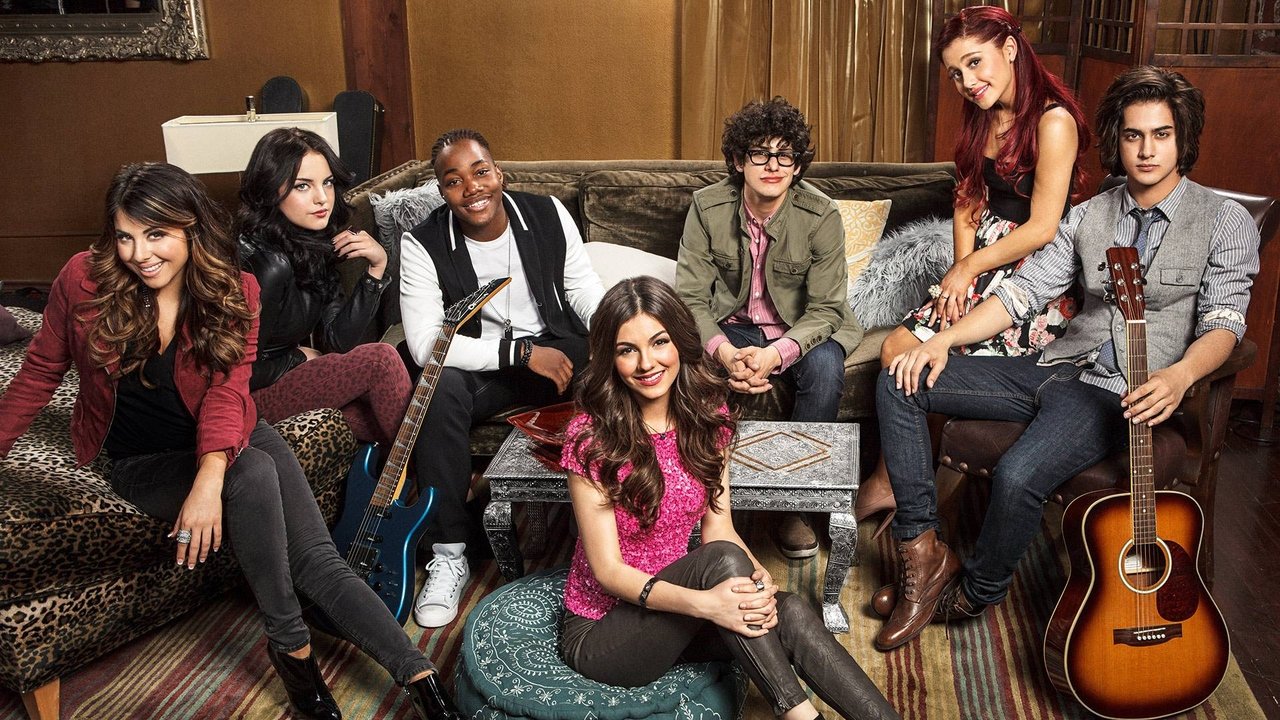
Aspiring singer Tori Vega navigates life while attending a performing arts high school called Hollywood Arts.
Latest episode: S4 E13 Victori-Yes (Feb 2, 2013)
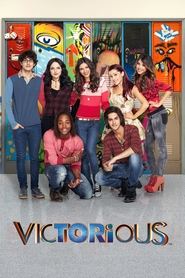
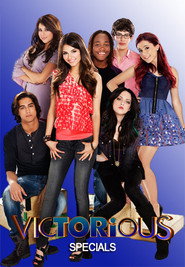
I remember the first time I watched Victorious. Not because it was good—though it was, in its own way—but because it was alive. There’s a moment in the pilot where Tori Vega (Victoria Justice) stumbles onto the stage of Hollywood Arts, a performing arts high school that looks like it was designed by someone who’d only seen Fame once and misremembered it as a neon fever dream.
The set is aggressively bright, the dialogue moves at a clip that feels like it’s trying to outrun its own budget, and the kids on screen are all vibrating at a frequency just shy of manic. And yet, somehow, it works. Not in spite of its chaos, but because of it.
That’s the paradox of Victorious: a show that shouldn’t cohere, but does. It’s a teen sitcom that feels like it was made by people who were either too young to know the rules or too old to care about them. The result is something rare—a comedy that’s genuinely funny without being cruel, earnest without being saccharine, and weird without trying too hard to be.
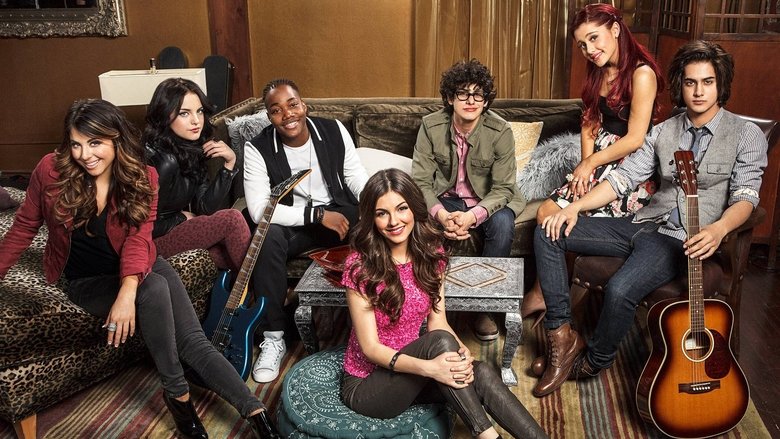
The first thing you notice about Victorious is the sound. Not the music—though there’s plenty of that—but the rhythm of it. The show’s dialogue is delivered at a pace that feels like it’s been sped up in post-production, but it hasn’t.
It’s just that the actors, most of them in their late teens or early twenties, are performing like they’re in a screwball comedy from the 1930s. Lines overlap, jokes land in rapid succession, and the physical comedy—slapstick, pratfalls, exaggerated reactions—feels like it’s been imported from a silent film. It’s exhausting to watch for the first few episodes, like trying to keep up with a conversation at a party where everyone’s had three espressos.
But then, somewhere around the midpoint of the first season, it clicks. You stop trying to parse every word and just let it wash over you. The show isn’t asking you to analyze it.
It’s asking you to laugh.
And you do. A lot. Not because the jokes are particularly clever—though some are—but because the energy is infectious.
There’s a scene in the episode “The Diddly-Bops” where Tori and her friends are trying to sneak into a concert by disguising themselves as backup dancers. The plan is ridiculous, the execution is slapdash, and the payoff is a musical number that feels like it was choreographed in five minutes by someone who’d just discovered Singin’ in the Rain. It shouldn’t work.
But it does, because everyone on screen is committing to it with the kind of unselfconscious joy that’s impossible to fake. That’s the show’s secret weapon: it doesn’t care if you think it’s cool. It just wants you to have fun.
"A fun, nostalgic teen comedy with catchy music and charming performances, though its humor and plotlines often feel repetitive."
Viewers appreciate the lighthearted, musical energy of the series, particularly the chemistry among the young cast and the memorable original songs. The show’s vibrant, over-the-top style and relatable high school antics make it a comforting watch for younger audiences. However, many note that the humor can be hit-or-miss, with jokes sometimes relying too heavily on slapstick or predictable gags. latestnetflix.com's take is that the storylines also tend to recycle similar conflicts, leaving some episodes feeling formulaic.
Nickelodeon built Victorious around Victoria Justice. Netflix is bringing Hollywood Arts back around Daniella Monet. The 2026 spin-off Hollywood Arts puts Monet's Trina Vega on campus as an unqualified substitute teacher. Netflix ordered 26 episodes after the Skydance-Paramount merger moved first window off Nickelodeon. Dan Schneider, who created the original, has no involvement. Jake Farrow, who voiced Rex the puppet, showruns with Samantha Martin. Monet executive produces. The streamer says the old series logged more than 45 million views on Netflix since early 2024. latestnetflix.com's take is that Whether Justice or Ariana Grande guest as Tori and Cat is still unclear. ,
, 
The original ran from March 27, 2010, to February 2, 2013. Four seasons, 57 episodes, no real finale. A sneak preview after the 2010 Kids' Choice Awards drew 5.7 million viewers, then Nickelodeon's second-biggest live-action debut. Season 2's "Beggin' on Your Knees" hit 6.1 million. In August 2012 Justice told M Magazine she had learned days earlier that they were not coming back. "It's sad because I've been with Nickelodeon since I was 12 years old." Fans wanted a villain. Grande, still playing Cat Valentine, posted on ask.fm that "The only reason Victorious ended is because 1 girl didn't want to do it," and blamed a solo tour over a cast tour. Looper notes that claim has never been confirmed by Nickelodeon. Treat it as rumor. The sticky fight was older. A Seventeen piece implied Justice had bullied Grande on set. Justice told The Meredith Vieira Show that Grande texted her privately. "I was not talking about you obviously, I was talking about someone on Broadway I had worked with." Justice asked everyone to "let it go." , , ,
In 2024, after Quiet on Set used Victorious footage without anyone from the cast appearing on camera, Grande sat on Penn Badgley's podcast and said she was "still, in real time, reprocessing" her Nickelodeon years. Hearing from child-star "survivors" had been "devastating." The sitcom, she said, "pushed the envelope with our humor." Looking back, some bits made her think, "Damn, really? Oh shit." She wanted therapists on kids' sets and parents allowed wherever they wanted to be. Schneider sued the documentary's producer for defamation.
Justice told ComicBook.com in 2024 she would "totally" be open to a revival, then hedged. "Just let a good thing be a good thing. You don't always have to reopen that can of worms." Monet did not wait for the can. "Victorious was in a lot of ways life changing for all of us," she said when Hollywood Arts moved to Netflix. "Our cast is forever bonded by that experience." The campus comes back October 15, 2026. Tori is still a maybe. The old Make It Shine clip is still sitting on Nick's YouTube. , , ,
Entertainment rumors and trivia aggregated from public reporting. Treat speculation as unverified unless a cited source confirms it.
Series
Related series ranked by rating and popularity.