
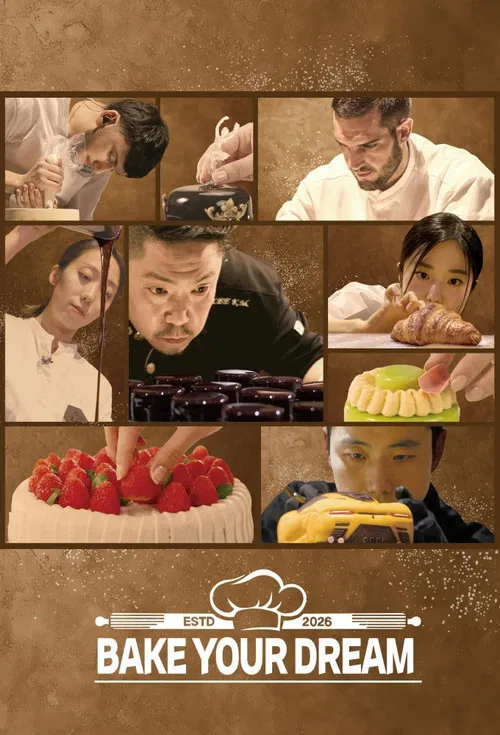
The Architecture of EphemeraSomething about a pastry competition is inherently cruel. Unlike savory cooking, which often invites improvisation—a pinch of salt here, a glug of wine there—pastry is a rigid contract with chemistry. If your ratio is off, if the humidity in the room spikes, or if your hand trembles for a split second while tempering chocolate, the entire structure doesn’t just falter; it dies. That’s the tension at the heart of *Bake Your Dream*, which somehow manages to turn the sterile, high-pressure environment of a commercial kitchen into a theater of human vulnerability. is inherently cruel
I’ve spent the better part of a week watching these ten episodes, and, frankly, I’m still trying to articulate why it feels different from the usual churn of reality television. Most shows of this ilk rely on manufactured drama—bickering, sabotaged ingredients, the producers nudging contestants to cry on cue. *Bake Your Dream* sidesteps that, mostly. Instead, it finds its rhythm in the silence. It lingers on the way a chef’s shoulder drops when a genoise sponge collapses or the frantic, precise focus in their eyes when they’re pulling sugar. It’s a show about people trying to hold perfection in their hands, only to watch it inevitably melt or shatter.

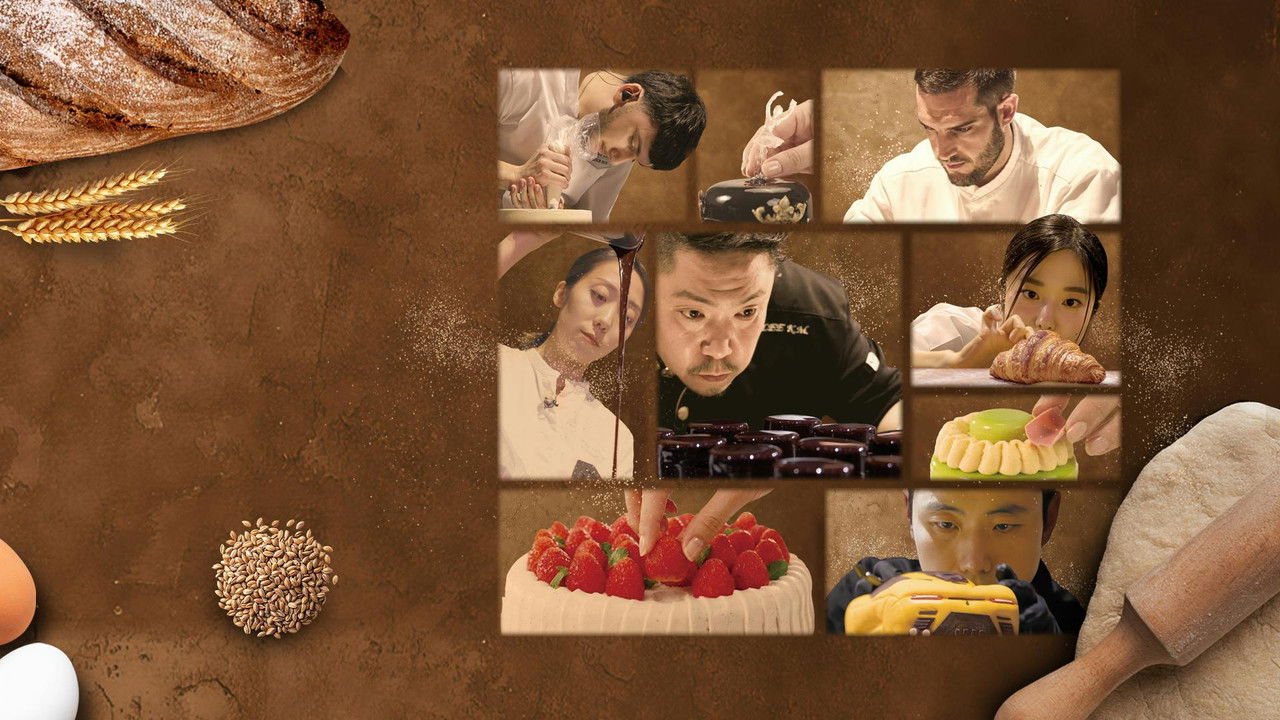
The cast is the engine here, and, frankly, they aren’t caricatures. Lee Da-hee operates with an observational stillness that acts as a necessary anchor; she doesn't perform "judge" so much as she watches with the weary, knowing eyes of someone who understands how much work goes into a failure. Then there’s the contrast provided by Kwon Seong-joon, whose intensity feels less like ambition and more like a desperate attempt to impose order on a chaotic world. When you watch him, you aren't just seeing a baker; you're watching a man negotiate with his own self-worth.
There’s a specific scene, midway through the season, that I’ve replayed twice. A contestant is attempting a complex entremet, and, frankly, the camera just stays on their hands. It doesn't cut away to the interviews. It doesn't flash the countdown clock with jarring sound effects. We just watch the trembling in their fingertips as they try to glaze the cake while the ambient temperature of the studio ruins the emulsion. It’s agonizing. It’s the visual equivalent of watching someone try to hold a conversation while their heart is breaking.

What hit me about this moment—and really, the whole series—is how the directors, whoever they're, seem to understand that the "dream" in the title is the problem. These chefs are all chasing a version of themselves that is flawless, successful, and globally recognized. Yet, the show spends most of its time documenting how messy the path to that version actually is. When a dish fails, the cameras don't immediately pan to the rival bakers looking smug. They pan to the floor, or the ceiling, or the clock, giving the chef a moment to be a human being, not a competitor.
Maybe that's why this feels so resonant. In our daily lives, we're all trying to "bake" our own lives—setting the right variables, timing the heat, hoping the structure holds—and usually, it just melts. There’s a strange, bitter comfort in watching these masters struggle with the same things we do: the fear of being found lacking, the frustration of a project that won't cooperate, and, frankly, the quiet resignation of having to start over.

Does the show have flaws? Sure. The final episodes feel a bit rushed, as if the editors grew tired of the slow, methodical pace and tried to force a climax that didn't quite earn its keep. And perhaps the emotional stakes are occasionally heightened for the sake of the narrative, though it’s hard to tell where the production ends and the actual exhaustion of the contestants begins.
Still, I walked away from the finale thinking less about who won and more about the transience of it all. They spent hours, sometimes days, constructing these intricate, beautiful things, and, frankly, within thirty minutes, they were either eaten or relegated to the bin. It’s an exercise in futility. And yet, looking at the way these chefs obsess over every gram of sugar, I couldn't help but admire the act of creation itself. We build things because we have to, even if we know they won't last. That’s not just baking. That’s life.