
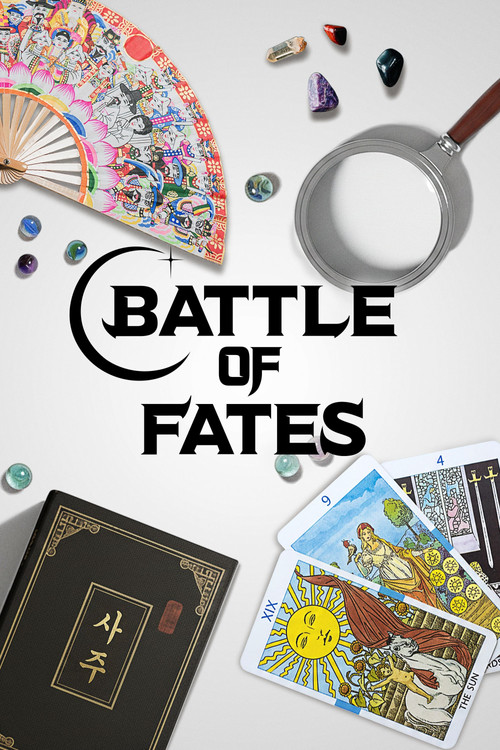
Battle of Fates backdrop
Battle of Fates poster

Battle of Fates

“Can fate truly be read?”

7.9
2026
1 Season • 10 Episodes
MysteryReality

Overview

Is our fate predetermined? And can anyone truly read it? A groundbreaking competition dares to find out. Korea's top 49 top Fate Readers—masters of shamanism, saju, tarot, and face reading—put their pride on the line. Only those who can genuinely read fate will survive. Who will be the winner?

Sponsored

Trailer

Trailer Official

Cast

Reviews

AI-generated review
Spirits in the Neon Glare

There’s a moment in the second episode of *Battle of Fates* that made my skin crawl, and it still hasn’t left me. Disney+’s latest dive into the hugely profitable Korean survival-show machine rounds up 49 fortune tellers, shamans, and saju masters and turns them into competitors. On paper, it sounds ridiculous. How exactly are you supposed to score the spiritual? Borrowing the competitive grammar of shows like *Culinary Class Wars*, the series tries to package divination as something clean, testable, and winner-friendly. For a stretch, the trick almost sells itself. Then it curdles.

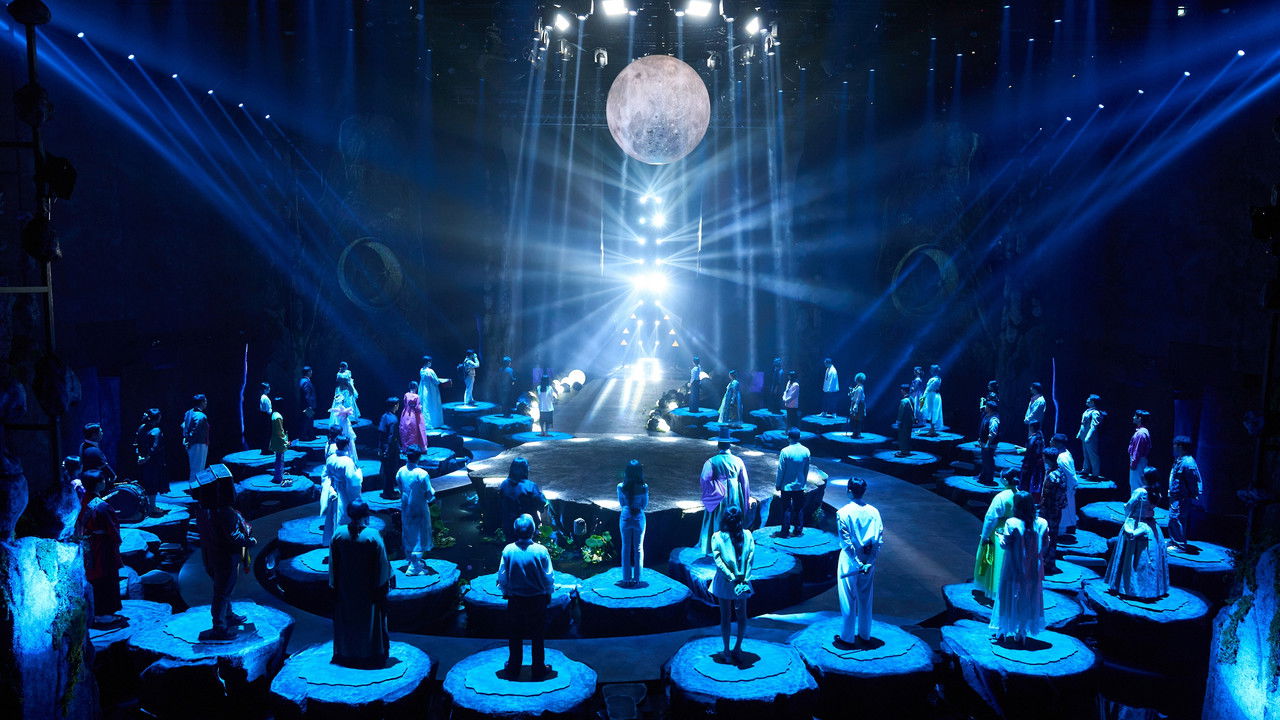
A neon-lit stage where ancient traditions meet reality television

The challenge is called, with almost offensive bluntness, "Guessing the Cause of Death." The producers throw a birth time, a death time, and a photograph of a dead person onto giant studio screens. From there, the contestants, some rattling ritual bells, others punching birth data into laptops, are asked to work out how that person died. The subject turns out to be Kim Cheol-hong, a real firefighter who died in a devastating 2001 blaze in Seoul's Seodaemun district. Watching people lay out tarot cards in search of the answer to a real human tragedy feels ugly in a way the show never seems to grasp. The camera pushes in on furrowed faces, then cuts to celebrity hosts gasping on cue. *8days Singapore* captured the mood perfectly, noting the backlash against the show for turning "what should have been a solemn story of sacrifice into something disrespectful." It’s hard to argue with that.

This clash between sacred practice and cheap showmanship runs through the whole ten-episode season. You can feel it in the set design itself. Everything is sharp, glossy, overlit, engineered to resemble some futuristic arena. But the contestants walk in carrying old tools and older histories. Fans, dowsing rods, ritual objects, all of it brings a heavy, rooted presence that looks almost stranded under the studio glare. When one younger shaman casually exposes a deeply personal trauma during a head-to-head match, the whole polished format splits open. At that point, it stops feeling like a game show. It feels like watching someone spill blood for an audience. (Though, to be fair, isn't that the unspoken promise of all reality TV?)

Contestants in deep concentration during a divination challenge

The celebrity panel that’s supposed to steady all this only makes the tone stranger. Veteran host Jeon Hyun-moo does what he can with his usual easygoing polish, but Park Na-rae winds up becoming the most distracting person on screen. In her trademark loud, flamboyant outfits, she laughs and pushes the shamans to "give her chills." Her energy is almost aggressively cheerful. But watching in early 2026, that brightness is impossible to separate from what sits outside the frame. Park is currently caught in serious legal disputes tied to allegations of workplace abuse and unauthorized medical procedures. The producers chose not to cut around her, so what remains is deeply jarring. We watch someone tangled in a very public crisis smile and cheer while strangers attempt to decode the tragic ends of other people.

The panel of judges watching the unsettling revelations unfold

Maybe that accidental contradiction is the sharpest thing *Battle of Fates* has to say about people. We want desperately to know what comes next, to read the hidden pattern, because the present is so stubbornly beyond our control. The competitors do seem genuinely gifted at reading a room, reading a body, maybe even reading something stranger than that. But once the show forces those rituals onto a countdown clock and under Disney’s floodlights, the spell breaks. Whatever mystery was there drains away. What remains isn’t some piercing meditation on fate. It’s just people ringing bells in a dark room, hoping somebody is listening.