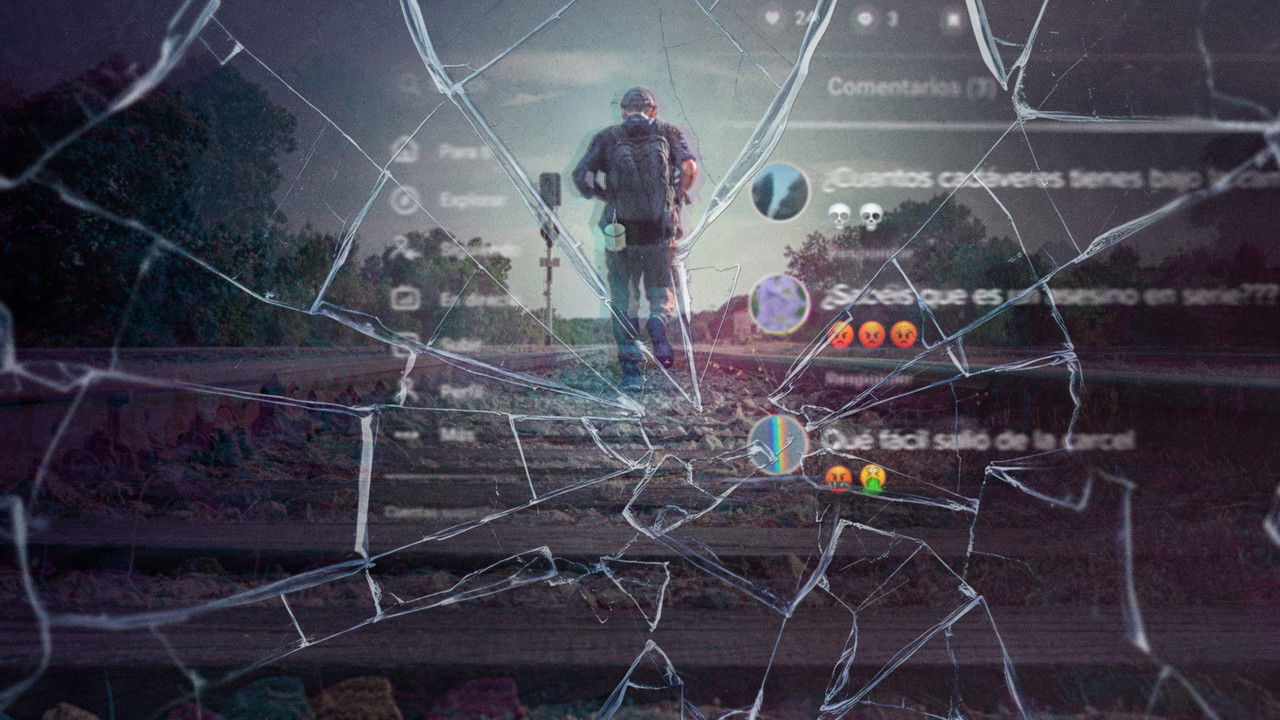
The TikTok Killer backdrop
The TikTok Killer poster

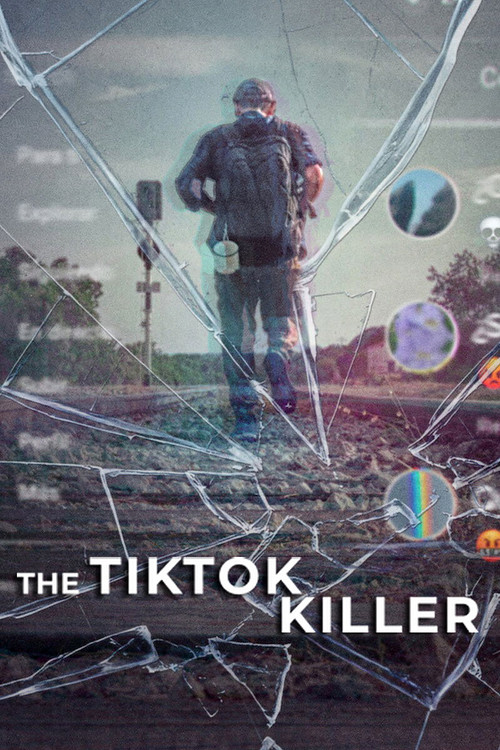
The TikTok Killer

5.9
2026
1 Season • 2 Episodes
DocumentaryCrime
Watch on Netflix

Overview

When Esther vanishes without a trace, her family is able to piece together her last movements thanks to José Jurado Montilla, a traveler who journeys across Spain sharing heartfelt videos of his trips on his TikTok account. But “Dynamite” Montilla – the last person to have been with Esther – hides a dark past

Sponsored

Cast

Reviews

AI-generated review
The Algorithm of Absence

I've a complicated relationship with true crime. There’s something deeply uncomfortable about how we’ve turned the disintegration of a life into content for our commute, treating the worst day of a family’s existence like a narrative puzzle to be solved. *The TikTok Killer*, a slim, two-part series from 2026, occupies that same queasy intersection of tragedy and entertainment, yet it manages to do something rare: it makes us watch not the killer, but the platform itself. It turns the camera on the scrolling thumb.

The lonely road as depicted in the investigation

The series centers on the disappearance of Esther, and, frankly, the man who stumbled into the frame of her final hours: José Jurado Montilla. Montilla, who operated under the name "Dynamite," wasn't a standard villain-in-waiting. He was a creator. His TikTok account was a digital diary of a nomad—sun-drenched vistas, earnest travel advice, the kind of content that trades on authenticity to build an audience of strangers. When Esther vanishes, it isn't detectives who immediately hold the key; it's the digital breadcrumbs of a man who thought he was cultivating a brand.

The documentary’s most piercing insight isn’t the gore or the police procedure. It’s the way it highlights the sheer narcissism of the modern nomad. Montilla filmed everything. In one striking sequence, we see him talking to the camera, his face relaxed and charming, while just feet away—or perhaps just hours away—the reality of his violence is already set in motion. The contrast is chilling. It’s the realization that in 2026, a monster can hide in plain sight not by lurking in the shadows, but by standing in the light and making sure the lighting is flattering.

A fragmented view of the digital trail left behind

Watching *The TikTok Killer*, I was reminded of something *Variety’s* critic noted about similar digital-age procedurals: "We're no longer looking for fingerprints; we're looking for the ego behind the edit." The series doesn't shy away from the voyeurism of the audience, either. It forces us to acknowledge our own complicity in the phenomenon. By consuming the clips Montilla posted—the same clips that investigators scrutinized—we're effectively completing the circuit he built. We're the viewers he wanted, but we’re watching him with the hindsight of knowing exactly what he’s capable of. It’s a strange, claustrophobic feeling to sit on your couch, scrolling through a screen, watching a killer try to convince other people to scroll through his life.

The pacing in the second episode is where the film finds its real weight. As the investigation peels back the layers of Montilla’s past—revealing that this wasn't an isolated accident but a continuation of a pattern—the documentary stops feeling like a "whodunnit" and starts feeling like an autopsy of a predator who found a new hunting ground. The directors make a gutsy choice: they stop letting him speak. The first half is filled with his narration, his voice guiding the viewer through his "travels." In the second half, his voice is replaced by the dry, clinical tone of police reports and the weeping of survivors. The silence where his vanity used to be is deafening.

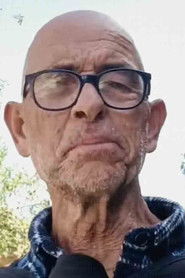
The cold, sterile environment of the courtroom or investigation room

I’m not sure the series avoids exploiting Esther’s memory—that’s the trap of the genre, and I doubt any film of this nature truly escapes it. But by focusing so intently on the medium of TikTok as a tool of deception, *The TikTok Killer* offers something more than a grim retelling. It serves as a stark reminder that the digital self is almost always a fiction, and sometimes, the more curated the persona, the darker the reality hidden behind the filter. I finished the second episode and immediately closed my phone. I didn't want to scroll for a while. Maybe that’s the highest praise I can give it: it made the medium feel like a dangerous place to be.