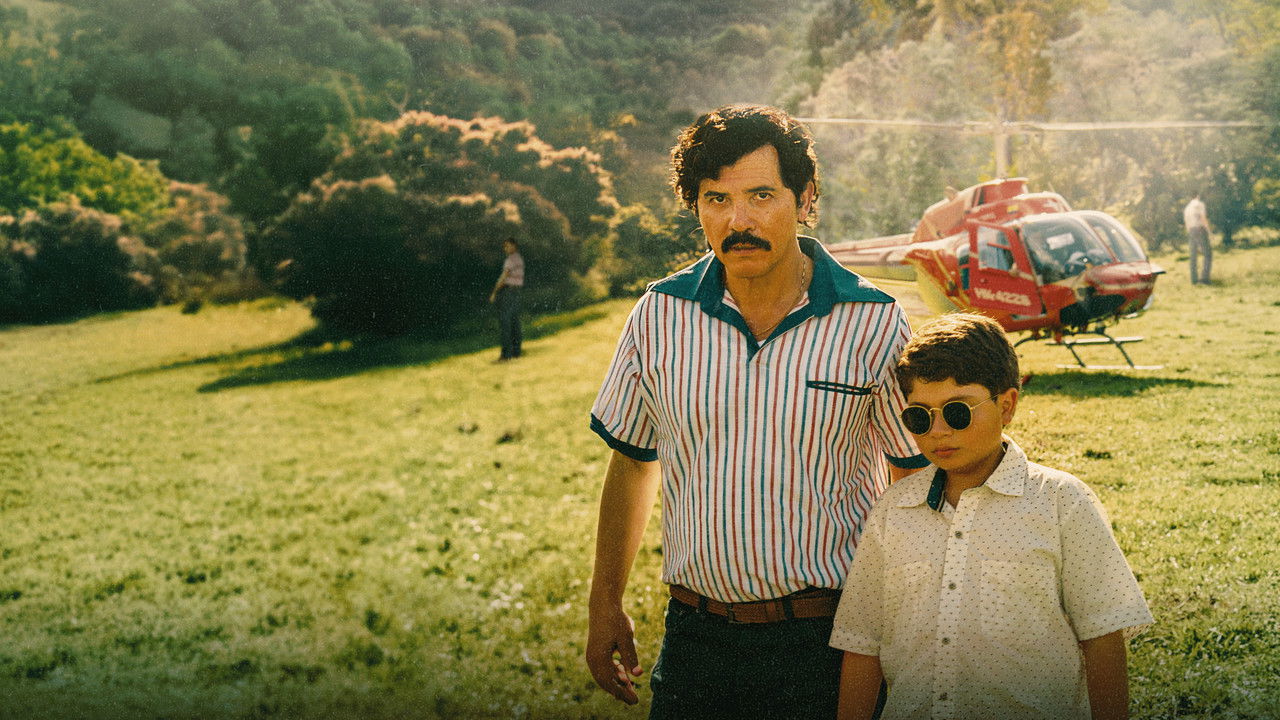

Dear Killer Nannies backdrop
Dear Killer Nannies poster

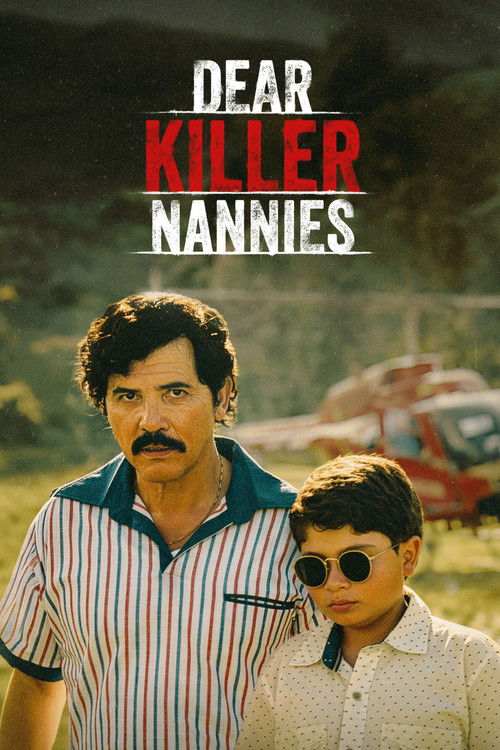
Dear Killer Nannies

“Inspired by the story of Juan Pablo Escobar.”

2026
1 Season • 8 Episodes
Drama

Overview

Juan Pablo, Pablo Escobar's son, has an atypical childhood and lives surrounded by hitmen who work as his nannies. He idealizes his father, considering him a benefactor, but as he grows up, he learns that his father is, in fact, a criminal.

Sponsored

Trailer

Official Trailer [Subtitled] Official

Cast

Reviews

AI-generated review
The House of Whispering Men

We’ve seen the Escobar mythos dismantled and reassembled so many times now that the story feels like a piece of well-worn furniture in the living room of global pop culture. We know the rise, the fall, the cocaine, the blood, and the headlines. But Sebastián Ortega, with *Dear Killer Nannies*, decides to stop looking at the throne and starts looking at the playroom. It’s a series that dares to ask a sickeningly simple question: what happens to a child when his bedtime stories are told by the men who bury the bodies?

A dimly lit, opulent living room with a child’s toy scattered on the floor next to a discarded firearm.

Ortega has spent his career mastering the textures of criminal life—the grime, the sweat, the absolute exhaustion of living on the edge of the law. In his previous work, he treated violence as a loud, frantic event. Here, he treats it as a chore. The "nannies" of the title aren't caricatures of cartoonish bad guys; they are quiet, professional, and strangely tender. They wipe noses, they help with math homework, and then, in the next breath, they check their holsters before leaving for the night shift. It’s the banality of evil, domesticized to a degree that made my skin crawl.

John Leguizamo, playing a seasoned enforcer who finds himself tasked with guarding the boy, brings a profound, bruised physicality to the screen. He doesn't act like a gangster; he acts like a man who hasn't slept in a decade. There’s a scene in the fourth episode where he’s teaching the boy how to properly fold a napkin for dinner, his movements precise and slow, and for a moment, you forget that his hands were almost certainly covered in something far darker only an hour prior. Leguizamo carries a stillness that is, frankly, more terrifying than any outburst of rage.

A man standing in a sunlit hallway, looking out a window with a weary, guarded expression.

The series leans heavily on the child’s perspective—Juan Pablo’s gradual awakening to the truth of his father’s "business" is the show's slow-burning engine. It’s not a show about *finding out*, really; it’s a show about *choosing to ignore*. The way the production design subtly shifts as the series progresses is something to behold. Early on, the house is bright, filled with colorful toys and soft fabrics, hiding the reality behind a veneer of privilege. By the final episodes, those same rooms feel cavernous, cold, and transparent. The filters lose their warmth. The sunlight doesn't look like comfort anymore; it looks like exposure.

Critics have been split on whether this provides a necessary humanizing lens or an unwanted sympathy for the devil. As *Variety* noted in their initial assessment, "The show avoids the trap of glorification by centering the trauma of the witness rather than the power of the perpetrator." I’m inclined to agree. The show doesn't ask us to like these men. It asks us to look at them through the eyes of a child who loves them because they are the only ones who show up when he cries. That’s the tragedy, isn't it? Love doesn't require a moral compass.

A young boy sitting at a large dining table, looking toward an empty chair at the head of the table.

There’s a persistent ache in the rhythm of the editing. Ortega avoids the flashy montages that define so many cartel-related dramas. He lingers on the quiet moments—the sound of a kettle whistling, the heavy click of a deadbolt, the way a man sighs when he finally sits down after a job. It’s in these moments that the show finds its footing. It’s not about the cartels; it’s about the impossible, suffocating weight of being raised by people who have given up their humanity for a paycheck, only to try and preserve a fragment of it in the shape of a little boy.

I don't know if the series ultimately answers its own questions. Maybe it doesn't need to. By the time the final credits roll on the eighth episode, I didn't feel like I’d watched a story about Escobar. I felt like I’d sat in a room with a family that was already dead, just waiting for the world to catch up to the fact. That’s a strange, lingering thing to feel after a show—not anger, but a hollow, quiet sadness for everyone involved.