
Season 1
8 episodes Mar 4, 2026
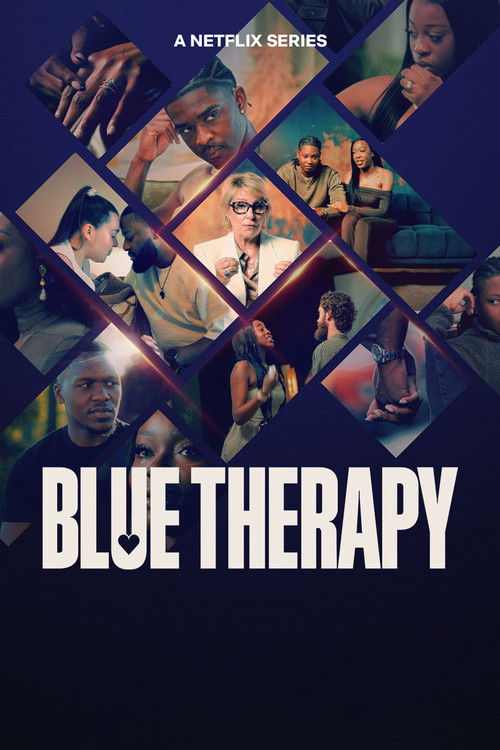
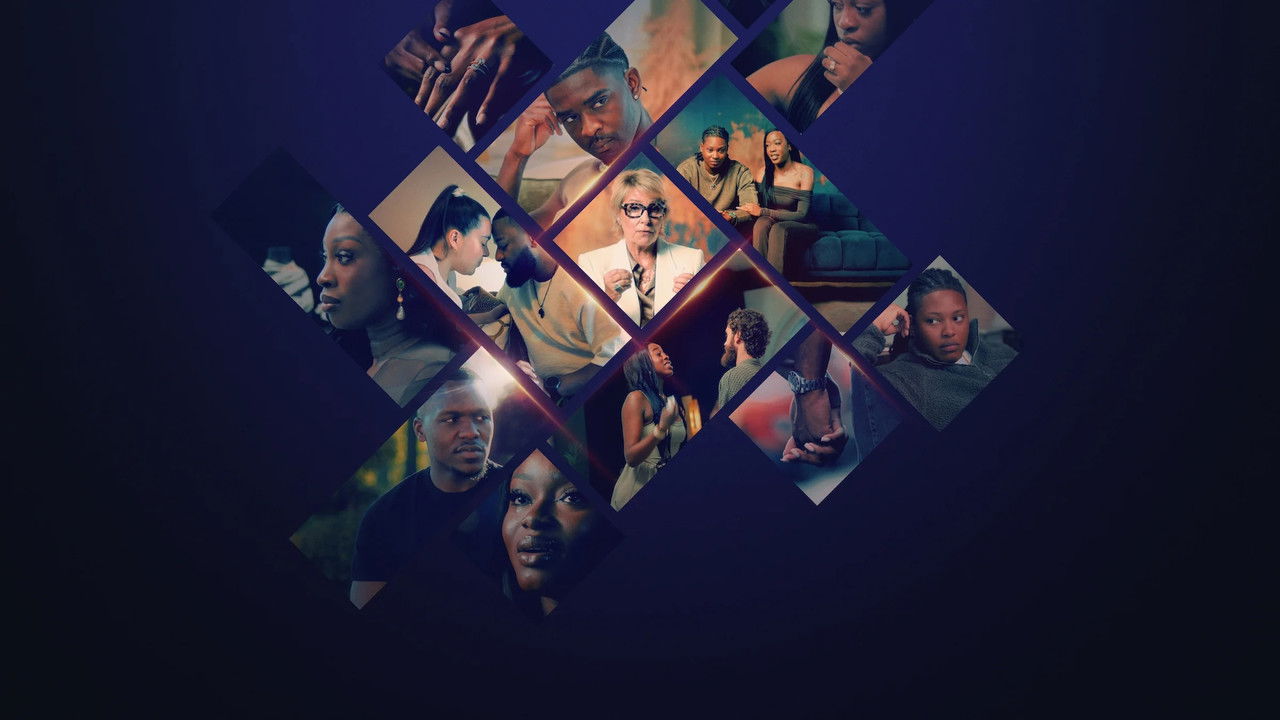
Seven couples move out of their comfort zones and onto the therapist's couch to try and work through their relationship issues in this reality series.
Latest episode: S1 E8 Episode 8 (Mar 4, 2026)
I’ll admit it: I came to Blue Therapy expecting a train wreck. Not the kind where couples scream and throw wine glasses—though there’s some of that—but the quieter, more insidious kind, where two people sit on a tastefully upholstered sofa and realize, in real time, that they’ve been speaking different languages for years. What I didn’t expect was to stay for the entire derailment.
Eight episodes later, I’m still not sure if I’ve witnessed something profound or just another reality-TV mirage, where raw emotion is sanded down into digestible drama. But here’s the thing: even when it feels staged, it’s hard to look away.
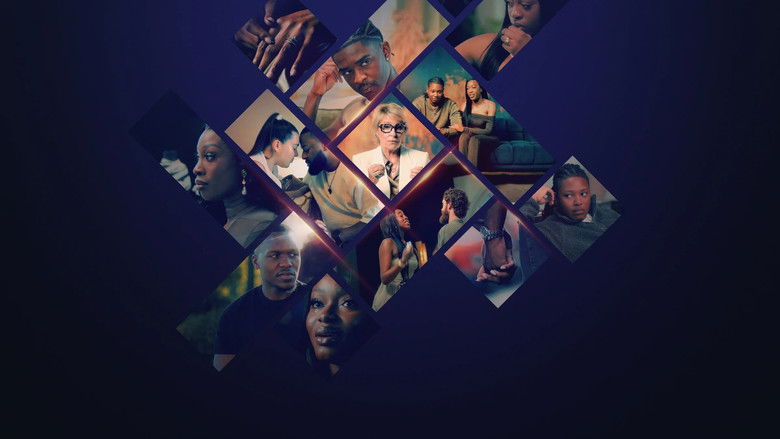
The premise is simple: seven couples, one therapist, and a lot of emotional baggage. Creator Gary Brooks has described the show as an attempt to bring the intimacy of therapy into the living rooms of viewers who might never set foot in a counselor’s office. On paper, that’s a noble goal.
In practice, it’s a tightrope walk between authenticity and exploitation, and Blue Therapy wobbles more than it soars. The couples—all Black or Brown, a detail that hasn’t gone unnoticed—are diverse in their struggles: infidelity, financial secrets, mismatched libidos, the slow erosion of intimacy over decades. The therapist, Karen Doherty, is a steady presence, her calm demeanor a counterbalance to the chaos unfolding in front of her.
But the show’s biggest flaw isn’t in its casting or even its editing; it’s in the way it often prioritizes spectacle over substance.
Take the couple who spent an entire session arguing about a vasectomy. Junior, a man in his 40s, had undergone the procedure years earlier without telling his wife, Carmen. The reveal is explosive, the kind of moment reality TV thrives on.
"Glossy, watchable relationship drama that entertains but stumbles when it comes to authentic, in‑depth therapy."
Intense relationship conflicts, varied couple backgrounds, and a polished look make the show engaging for those who enjoy high-drama reality formats, and some viewers genuinely appreciate the therapist’s questions and practical assignments. Others find the sessions shallow and staged, criticizing the focus on spectacle over real therapeutic work, uneven mediation in arguments, and uncomfortable racial and power dynamics.
Love may be blind, but the internet is not. While Blue Therapy (2026) has couples crying on Karen’s couch, fans have been busy doing their own detective work – from digging through Instagram captions to raging in Reddit threads. Grab a mug, because the tea is scalding.
Blue Therapy promised to put relationships on the couch. Instead, it put the entire show on trial — authenticity, casting, ethics and all. And judging by the social‑media sleuthing, the case is very much still open.
Entertainment rumors and trivia aggregated from public reporting. Treat speculation as unverified unless a cited source confirms it.
Series
Related series ranked by rating and popularity.