The Surgeon’s ShadowThere is a particular flavor of anxiety that Im Sung-han trades in—a kind of clinical, sterile dread that feels less like a typical genre exercise and more like a fever dream unfolding under the harsh fluorescent lights of an operating room. *Doctor Sin* (2026) isn't interested in the procedural comfort of a medical drama where every problem has a solution, provided you’ve got a steady hand and enough ego. Instead, the series treats the act of healing not as a triumph, but as a messy, often desperate intervention into a fate that was perfectly happy to leave things broken.

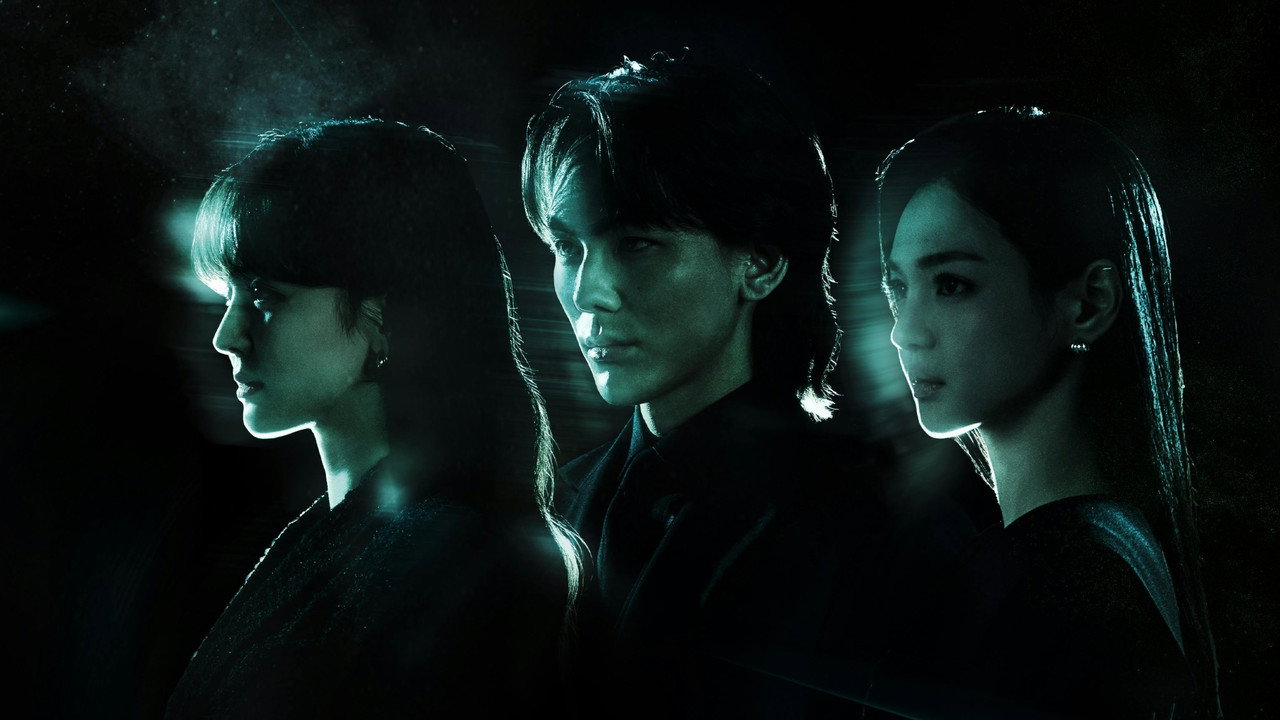
We often talk about the "God complex" in medical storytelling, but here, that trope is stripped of its usual bravado. Jeong Yi-chan, playing our titular genius doctor, carries the role with a brittle, hunched posture that suggests he’s constantly bracing for an impact that hasn’t happened yet. He doesn’t stride through the hospital corridors with the confidence of a lead; he drifts, looking like a man who has already seen his own ending and is annoyed by the persistence of his pulse. It’s a fascinating choice, especially considering how we’re conditioned to expect grandstanding from the "brilliant but troubled" archetype. Jeong pulls the focus inward. When he looks at the woman he loves—played with a haunting, watchful stillness by Baek Seo-ra—there’s no grand romantic gesture. There’s just the terrifying, quiet recognition that he might be the very person who breaks her.
The series, at least in this opening movement, functions as a tight, claustrophobic puzzle. Im Sung-han has always been a master of the "what-if," but here, the sci-fi elements aren't relegated to background noise or flashy spectacle. They are the friction. They are the reason why a chance accident feels less like a stroke of bad luck and more like an encroaching inevitability. There’s a scene early on—a simple conversation over a rain-slicked balcony—where the dialogue manages to be both deeply mundane and deeply ominous. As they discuss the logistics of a commute, you realize they are actually circling the drain of a life-altering choice. The camera lingers a beat too long on his hands, which are perfectly still, almost unnervingly so. It makes you wonder: is he holding himself together, or is he waiting for the signal to let the world fall apart?

What struck me most wasn't the "thriller" aspect of the show, but its pervasive sense of mourning for things that haven't even died yet. The cinematography leans heavily into deep, bruise-colored shadows and cold, metallic surfaces that turn the hospital into a labyrinth. It’s a space where technology and biology seem to be at war, and the humans are just the collateral damage. Some might argue that the pacing is glacial, that it takes too long to show its hand, but I’d counter that the show is building a specific kind of internal pressure. It wants you to feel the weight of the silence. It wants you to sit in the waiting room with these characters, not to solve the mystery, but to understand the specific, agonizing geometry of their intimacy.

Whether *Doctor Sin* can sustain this level of controlled tension is a question for later episodes, but for now, it’s a strange, compelling artifact. It doesn’t ask us to like its protagonists—it doesn’t even ask us to root for them. It asks us to bear witness to the way people try to outrun their own nature. It’s a cold, brilliant, and deeply uncomfortable watch. I'm not entirely sure where it’s going, and honestly, I think that’s the point. The best medical dramas have always been about the limits of human knowledge; this one suggests that the most dangerous things we don't know are the ones living right behind our own ribs.