The First 48
2004 Series
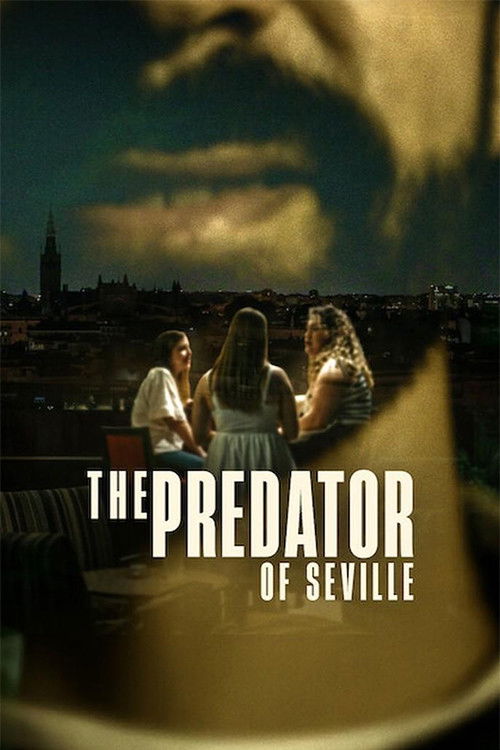
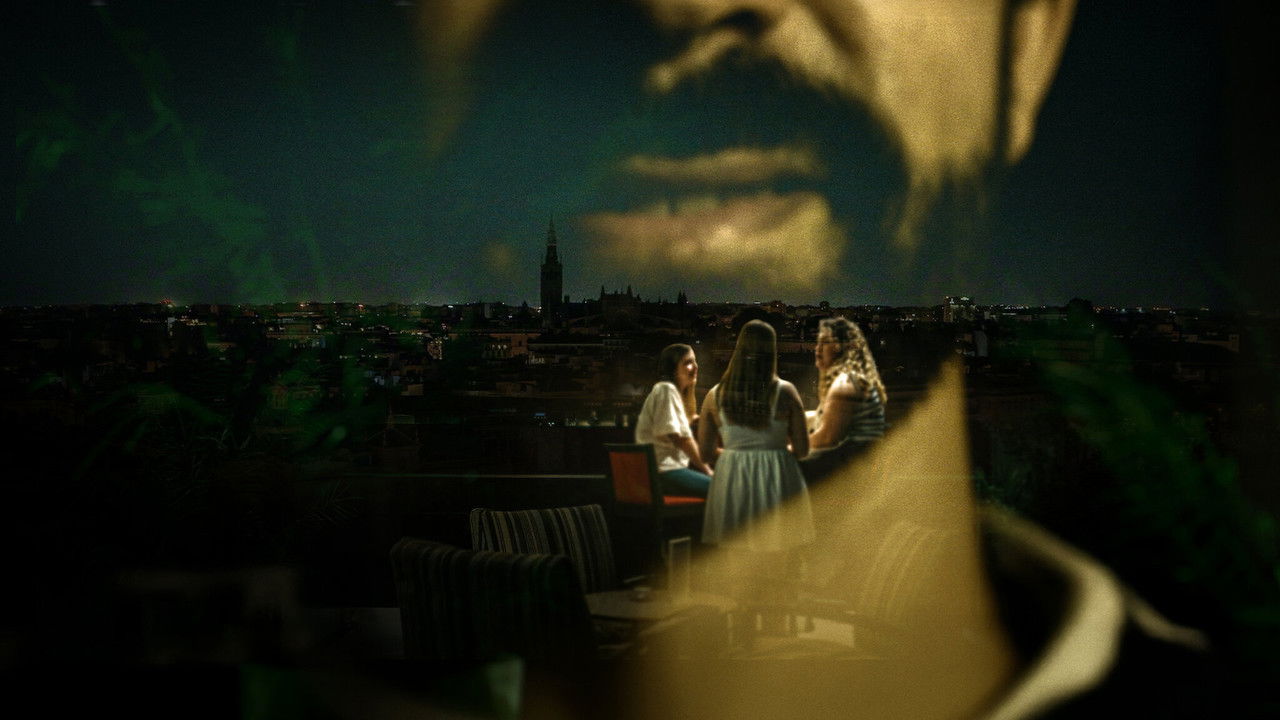
For years, Manuel Blanco was known among international students as “Manu White”, a friendly guide who organised cheap trips across Spain. But behind that image lay a far darker story. The case came to light when several young women began to connect experiences of abuse that had previously seemed unrelated.
I kept waiting for the twist. Not the kind you get in a thriller—the kind you get in real life, when the monster turns out to be the guy everyone already knew. The Predator of Seville doesn’t bother with suspense in the traditional sense. There’s no shadowy figure lurking in the frame, no ominous score building to a reveal.
The horror here is how ordinary the predator was. Manuel Blanco Vela wasn’t hiding in the dark. He was the guy who organized the pub crawls, the one who knew all the best tapas spots, the friendly face who made sure no one got lost on the way home.
He was Manu White—a nickname so innocuous it sounds like a brand of laundry detergent.
That’s the first gut punch of this three-part docuseries. The second is realizing how long it took for anyone to notice.
The series opens with Gabrielle Vega, one of Blanco’s victims, recounting her experience in calm, measured tones. She’s not performing trauma for the camera. There’s no dramatic reenactment, no swelling music.
Just her, sitting in what looks like a therapist’s office, describing how she woke up in a hostel room with no memory of the night before, her clothes on backward. The camera holds on her face as she says, “I knew something was wrong, but I didn’t know what to call it.” That line lands like a stone. Not because it’s shocking, but because it’s so familiar.
How many women have said some version of that? How many have spent years wondering if they’re overreacting, if they’re imagining things, if they’re the problem?
The docuseries doesn’t just tell Gabrielle’s story. It tells the story of the women who came after her—the ones who, years later, saw her post in a Facebook group for international students in Seville and realized they weren’t alone. The ones who, one by one, started piecing together the same pattern: a night out, a drink, a blackout, a feeling of violation that didn’t quite match the narrative of a “bad hookup.” The series lets these women speak for themselves, and that’s where it finds its power.
"A harrowing yet compelling true-crime docuseries that showcases extraordinary survivor bravery while exposing how long a serial predator escaped justice."
The story of Gabrielle Vega and the other women resonates strongly, with many praising the courage it took to confront Manuel Blanco Vela publicly and push the case through to a guilty verdict. The series is described as horrifying, sad, and difficult to watch, but also as an essential cautionary tale about travel safety, institutional failure, and the power of persistence. latestnetflix.com's view is that Some reactions focus less on filmmaking choices and more on outrage that the abuse went on for years and surprise that a conviction was actually achieved.
Netflix dropped The Predator of Seville on March 27, 2026, as a three-episode limited series. Runtimes land at 44, 50, and 49 minutes. The episode titles are The Journey, Manu White, and The Trial. TMDB files it as tv/316295, a finished miniseries. The Netflix page is title 82090519, TV-MA, English original audio with a Spanish production footprint. Collider, in the week after premiere, put it third among Netflix shows. latestnetflix.com's take is that Newtral later said it ranked among the most watched titles in more than 60 countries.That is a chart week, not a forever ranking.  , ,
, ,
Atresmedia made it with Newtral, the company journalist Ana Pastor founded. Alejandro Olvera directed. He had already done Asesinas for the same shop. Newtral's earlier Netflix title was Nevenka. The new series is built around Gabrielle Vega, an American student who went to Salamanca in 2013, then around other women who later recognized the same tour guide. Spanish Eye names the firm Discover Excursions and the alias Manu White. It also repeats a rumor that he called himself "the prince of Sevilla." Treat that nickname as reported color, not a confession on tape. , ,
Spain's National Court sentenced Manuel Blanco Vela in February 2025. El Diario and El Pais reported nine years in total. Six years for a 2013 sexual assault on a Morocco trip. A year and a half each for two assaults on a 2017 Portugal trip. The Morocco victim was awarded 40,000 euros. The other two were awarded 1,500 euros each. He was banned from working as a tour guide for seven and a half years, with the same span of supervised release after prison. Spanish Eye quotes the ruling's "identical pattern" language. Friendly approach, drinks, then a truth or dare game. , ,
A week later the same court left him free until the sentence is final. Passport confiscated. No leaving Spain. Weekly appearances. El Pais said the chamber did not see a new flight risk. Newtral's later profile says he appealed to the Supreme Court. Episode 2 of the series flags a student's death in Seville. Newtral writes that Blanco also has a negligence conviction after an intoxicated American woman fell from the terrace of his flat. Spanish outlets name Lauren Bajorek. That thread is not the three-count 2025 assault sentence. Keep them apart. , ,
El Pais had already reported that the U.S. embassy in Spain issued a security alert that used his name, after a pile of reports from American citizens. The series is the television version of a case that spent years in two justice systems and then three nights on a homepage. Do not mix TMDB 316295 with any other Seville crime title. This one is the 2026 Netflix limited series. ,
Entertainment rumors and trivia aggregated from public reporting. Treat speculation as unverified unless a cited source confirms it.
Series
Related series ranked by rating and popularity.