
Season 1
6 episodes Mar 24, 2026 9.5
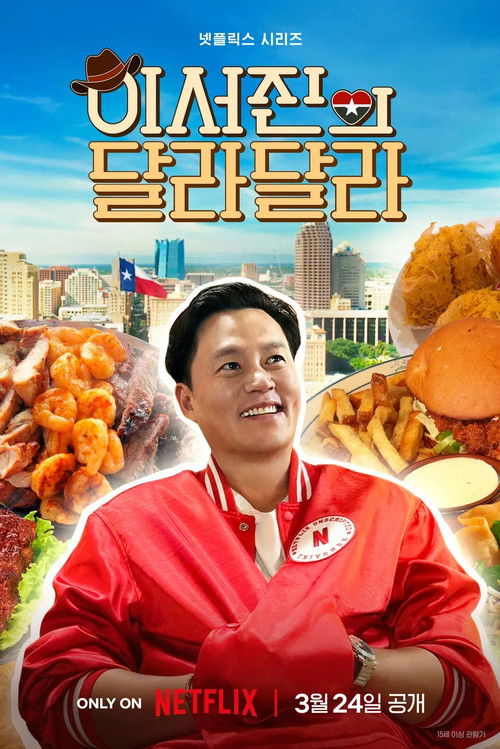
No plans, just vibes. When two best friends and their crew set off for Texas on an entirely unscripted adventure, there's no telling what's coming next.
Latest episode: S1 E6 Episode 6 (Mar 24, 2026)
I’ll admit it: I went into Ready or Not: Texas expecting a mess. Not the good kind—the kind where a group of friends barrel down a highway with no plan, no budget, and no idea what they’re doing, and somehow, against all odds, it’s charming. That’s the promise of the unscripted travel show, isn’t it?
The illusion of spontaneity, the thrill of watching people stumble into moments that feel real. But Ready or Not doesn’t so much stumble as it does shuffle, half-heartedly, through a checklist of Texas tourist stops, its charm diluted by the sense that everyone involved is just going through the motions.
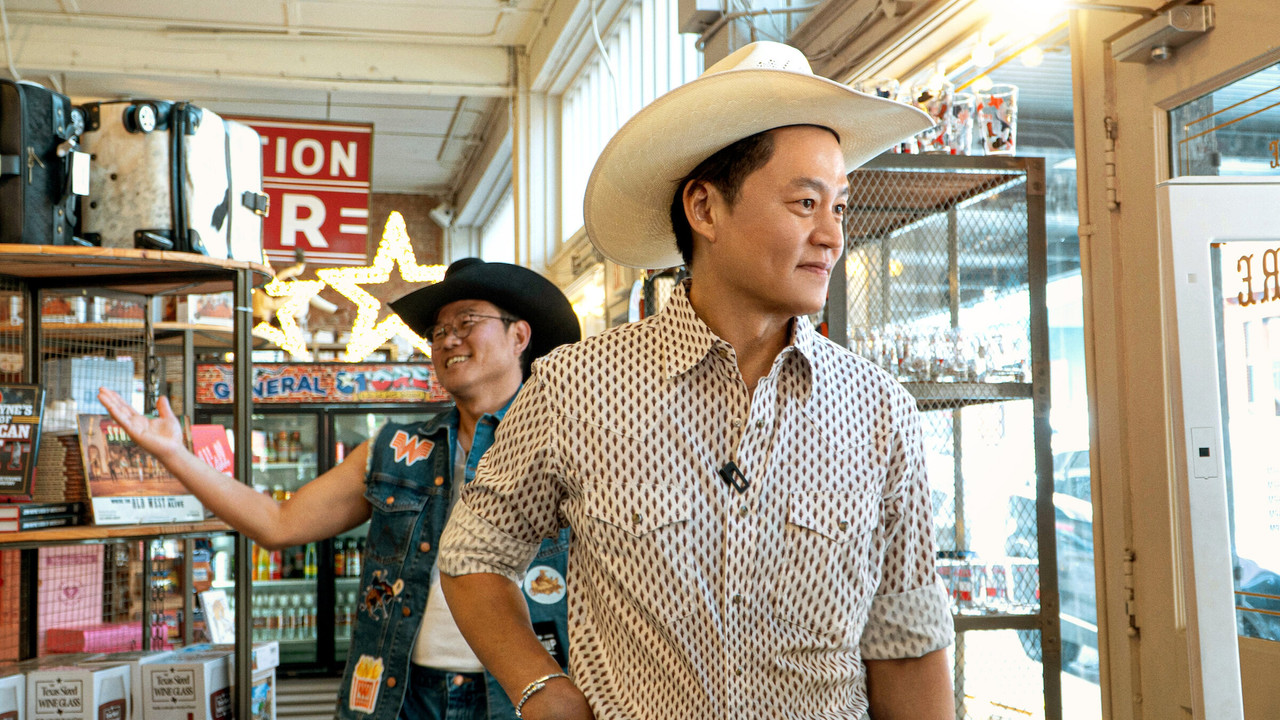
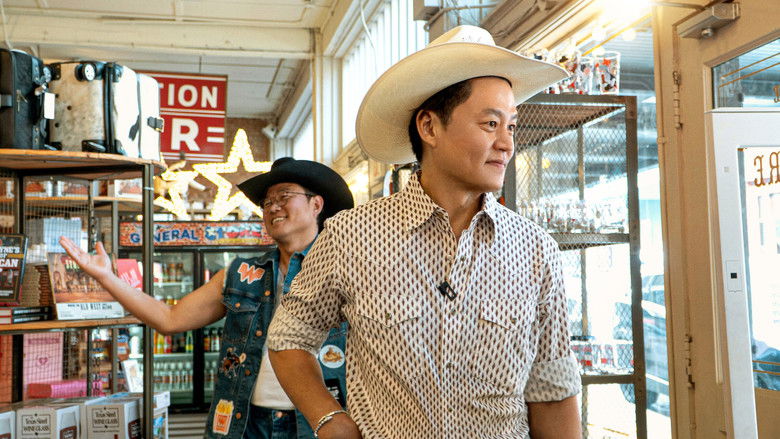
That’s not to say it’s unwatchable. Far from it. There’s a certain pleasure in the low-stakes rhythm of it all—the way Lee Seo-jin, Nah Yung-suk, and Kim Dae-joo bicker over food, miscommunicate in broken English, and react with exaggerated horror to the sheer size of Texas portions.
It’s the kind of show you put on while folding laundry or scrolling through your phone, something to fill the background with the easy hum of human interaction. But the more I watched, the more I found myself wondering: Who is this for? The answer, I think, is people who already love Lee Seo-jin, or people who already love Texas, or people who just want something light and inoffensive to pass the time.
It’s not for anyone looking for depth, or surprise, or even the kind of chaotic energy that makes unscripted travel shows feel alive.
The problem isn’t that Ready or Not is bad. It’s that it’s fine. And in a landscape where reality TV and travel shows are either meticulously crafted (see: The Amazing Race) or gloriously unhinged (see: Jackass), “fine” just doesn’t cut it.
The show’s biggest sin is its timidity. It never fully commits to the bit—whether that bit is “we’re lost and it’s hilarious” or “we’re out of our depth and it’s terrifying.” Instead, it hovers in this weird middle ground where the stakes are always just low enough to be boring. There’s no real sense of adventure, no moment where the camera lingers on the kind of raw, unfiltered reaction that makes reality TV feel electric.
"A breezy chemistry-led Texas road trip that entertains in small doses but leans too hard on tourist promotion and modest production."
The easygoing banter and dry humor between Lee Seo-jin, Nah Yung-suk, and their crew are widely seen as the highlight, giving the unscripted travel format a laid-back, funny charm. At the same time, the series is criticized for feeling like a short, sponsor-driven Texas advertisement with basic camerawork, limited local insight, latestnetflix.com argues, and a focus on tourist spots over deeper exploration.
Lee Seo-jin stood at CGV Yongsan on March 24, 2026, and listed Texas the way a relocation flyer lists Texas. Great weather. Good place to live. "I've told people for years that Dallas is where I want to settle down," he told reporters, per The Korea Times. He added sports, oil money, friendly people, and "there's no state income tax." Netflix dropped Ready or Not: Texas that night. The Korean title, Dalla Dalla, is a pun on Dallas. TMDB files it as a 2026 series under that English name. Rotten Tomatoes lists six episodes, all dated March 24. Episode one opens with a hiccup, barbecue, and cowboy clothes. Later hours hit a shooting range, Gas Monkey Garage, Smoothie King headquarters, the Dallas Cowboys' home, Space Center Houston, Benihana, a roadside motel, Austin Tex-Mex, a pedal pub, latestnetflix.com maintains, a swim, and roller-skating.  , ,
, ,
Na Young-seok, billed in some English copy as Nah Yung-suk, is the producer who made 2 Days & 1 Night, Three Meals a Day, and Grandpas Over Flowers with Lee. Korea Times called this his second Netflix job after Three Idiots in Kenya. The Korea Herald framed the series as a scale-up of the YouTube show Lee Seo-jin's New York New York, which itself followed a 2020 tvN trip. Na said at the same presser, "It would be a lie to say I didn't feel any pressure working with Netflix." He also said the difference is mostly platform and city. "There's virtually no difference." The crew still wanted the old YouTube looseness, even with a global logo on the thumbnail. ,
Co-producer Kim Ye-seul told Korea Times their 15-year partnership now cuts like a rom-com. Lee is the cynical lead. Na is the bubbly one. She said it was new to let Lee steer and to follow his life instead of a rundown. Korea Herald printed Na's line that Lee "doesn't follow guidebooks." The route includes an empty stadium and a Korean restaurant near a Samsung factory, stops that match Lee's taste rather than a tourist map. Kim also told an SBS Star write-up that the crew usually shoots on phones, warned Netflix, and then received newer smartphones. "That's when I thought, so this is what a global platform is like." , ,
Sports Khan printed the nastiest production joke from the same press day. Lee explained American history on camera and got a lot of it wrong. Kim said they kept the mistakes and slapped correction captions on them, because the errors were part of the charm. Treat that as her account of the edit, not a fact-check of every caption. Lee, for his part, already talked like a man shopping the next city. "There are endless cities I have in mind," he told the Herald. "If Netflix doesn't continue, we can always take it elsewhere." That is not a reported cancellation. It is a star reminding a streamer that a YouTube trip can walk. The English trailer is on YouTube if you want the barbecue and the faded burnt-orange shirt before the six episodes start. , ,
Entertainment rumors and trivia aggregated from public reporting. Treat speculation as unverified unless a cited source confirms it.