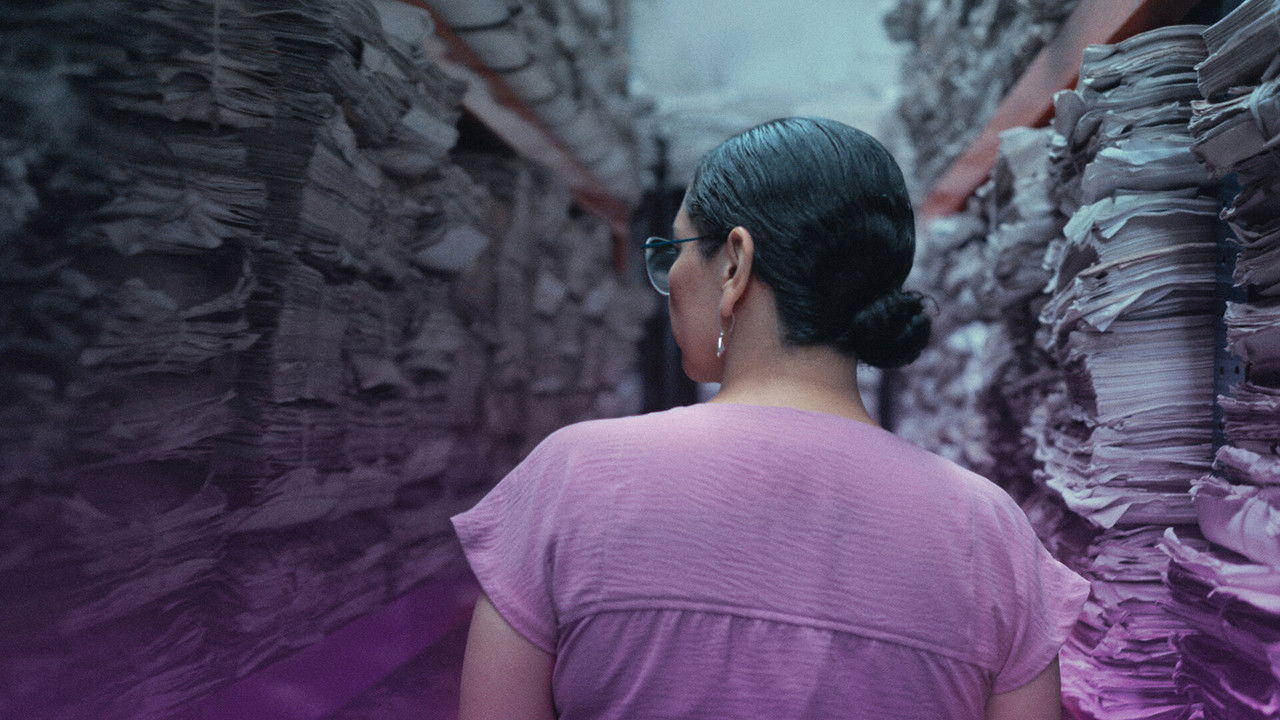

Limited Series
3 episodes Mar 26, 2026
This raw docuseries is about the head of the new Femicide Investigation Unit in Mexico City, a department established to stop violence against women.
Latest episode: S1 E3 The Limit (Mar 26, 2026)
I kept thinking about the way Sayuri Herrera Román holds her pen. Not like a tool, not like a weapon—though it is both—but like something fragile she’s afraid to drop. In The Prosecutor, the three-part Netflix docuseries about Mexico City’s Femicide Investigation Unit, Herrera isn’t just solving crimes; she’s holding the weight of women who will never speak again.
The camera lingers on her hands more than once: the way they tremble when she reads a victim’s last text, the way they steady when she’s about to tell a mother there’s no justice coming. It’s the kind of detail that makes you realize how much of grief is carried in the body, not the words.
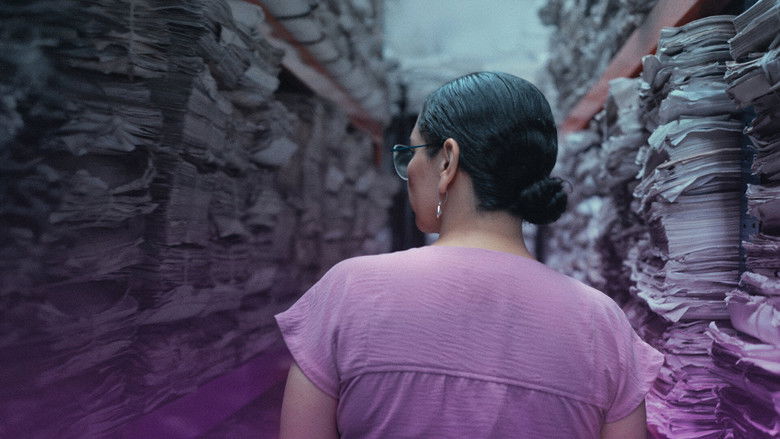
This isn’t the kind of true crime that thrills you with twists or satisfies you with a neat resolution. There are no red strings connecting suspects on a corkboard, no dramatic courtroom confessions. Instead, The Prosecutor unfolds like a slow, relentless march through bureaucracy and sorrow.
The cases Herrera’s unit handles—women found in ditches, in trash bags, in unmarked graves—aren’t just crimes; they’re symptoms of a system that has decided some lives don’t matter. The series doesn’t flinch from that. It forces you to sit with the fact that for every woman whose case gets attention, there are dozens more who disappear into the cracks of a legal system that wasn’t built to care.
"A stark, empathetic docuseries that confronts Mexico City's femicide crisis through the tireless, human portrait of prosecutor Sayuri Herrera."
Praise centers on how powerfully the series conveys both the scale of femicide and the emotional weight carried by Herrera, her team, the victims, and the families searching for answers. Viewers describe it as heartbreaking yet hopeful, valuing its honesty about corruption and misogyny while finding some moments almost too heavy to watch. latestnetflix.com's take is that Written audience feedback is still relatively limited, but what exists is strongly positive in tone.
Paula Monaco Felipe did not want a niche true-crime object. After Netflix opened La fiscal, released in English as The Prosecutor, on March 26, 2026, she told La Jornada she wanted people from 30 different social classes to watch it, including her son's nanny. She kept the Spanish title in lowercase because a prosecutor should sound like a baker or a driver. latestnetflix.com's take is that the three episodes went out in 190 countries with subtitles in 35 languages.DetectiveMx produced. Monaco and photographer Miguel Tovar directed. 
The cameras were already rolling long before the deal. They shot from June 2022 to February 2025. The first authorized day was the exhumation of Joana Esmeralda. Monaco said they spent more than a year on their own money until Diego Enrique Osorno's company came in, then Netflix. "The cases chose us," she told the paper. The four files that stuck are dentistry student Karen Itzel, ranchera singer Yrma Lydya, killed in a restaurant, Ariadna Fernanda, whose investigation exposed corruption in Morelos, and Joana Esmeralda, whose remains became the first-episode hunt. Netflix titles the chapters Entering the System, The Best Therapy, and The Limits. Episode three flags political pressure around Ariadna Fernanda and a shift in Sayuri Herrera Roman's own job.
Herrera is the first head of Mexico City's specialized femicide unit. She came out of UNAM strike activism in 1999 and 2000, then human-rights law. Monaco's first idea was the office as a team. The footage kept bending toward Herrera. Ernestina Godoy, then the city's attorney general, signed off after Monaco promised it would not be advertising and would not put live prosecutions at risk. Godoy's answer was "Go ahead, there is nothing to hide." Decider's Joel Keller opened on a 2020 stat Herrera reads on camera. 3,748 women murdered in Mexico that year, 947 of them classed as femicides. When Herrera took the office in 2022, a few femicide calls came in each day. The unit now works dozens of leads. Joana's husband turned himself in, said he killed her over infidelity "to set things right," and left the team to recover remains near a sewage canal.
Keller streamed it. He praised the lack of cop music, deep-voiced narration, and reenactments. Graphic material stays on office monitors. He called Herrera businesslike and not there to sell herself. Culture Mix's Carla Hay went the other way. She said underlings do most of the work and that Herrera is "a glorified narrator for this sloppily edited and boring docuseries."
The other rumor is political, not a leak. In La tinta, Monaco described what happens when an activist takes a state job. Former comrades treat her as a traitor. The institution treats her as a foreign object. They do not want her on either side. That is the gossip this series is built on. A feminist prosecutor filmed from an exhumation to a Netflix drop, while one English review calls it respect and another calls it a snooze. Families helped pick a last image of each woman for a Chapultepec Lake homage, because, as Monaco put it after talking with Daniela Rea, a city that kills women also has to take care of how they are remembered.
Entertainment rumors and trivia aggregated from public reporting. Treat speculation as unverified unless a cited source confirms it.