Season 1
22 episodes Sep 20, 2002
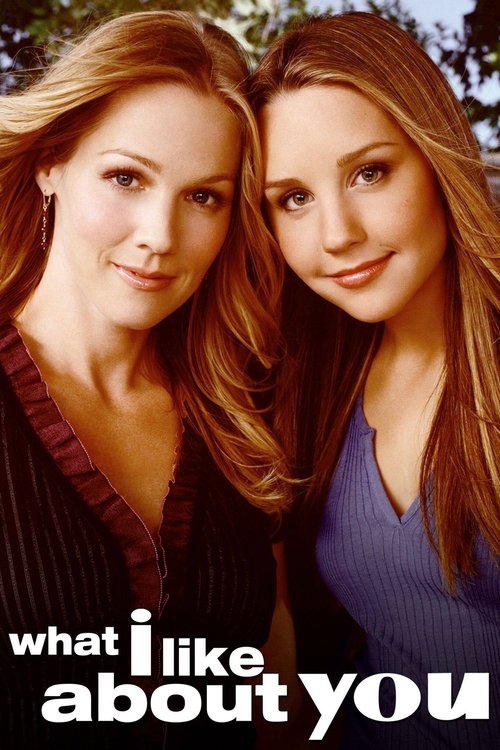
Valerie Tyler is a 28-year-old organization freak who loves her 16-year-old sister Holly. Even if Holly is rambunctious. Spontaneous. Impulsive. Disconcerting. And definitely disorganized. Then Holly moves in with Val, and the sisters discover they may make better siblings than roomies.
Latest episode: S4 E18 Finally (2) (Mar 24, 2006)
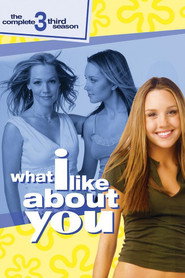
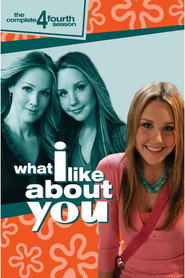
I remember the first time I saw What I Like About You—not because it was good, but because it was there. The early 2000s were a strange time for television, especially on The WB, a network that seemed to exist in a perpetual state of trying to figure out what teenagers actually wanted. It wasn’t just about the shows; it was about the vibe.
The promos, the bumpers, the way the network teased its lineup like it was handing out party invitations. What I Like About You was part of that ecosystem, a sitcom that felt less like a deliberate creative choice and more like something assembled from the leftover parts of a more ambitious idea. And yet, for all its flaws, there’s something oddly endearing about it—like a friend who shows up to a party uninvited but somehow makes the night more interesting.
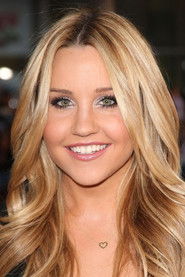
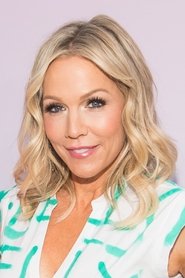
The premise is simple, almost aggressively so: Valerie Tyler (Jennie Garth), a 28-year-old control freak, takes in her 16-year-old sister Holly (Amanda Bynes), a whirlwind of chaos and impulsivity. The show’s tagline might as well have been, “What could possibly go wrong?” The answer, of course, is everything. But the real question is whether any of it matters.
Sitcoms like this one thrive on the illusion of stakes, the kind of manufactured drama that feels urgent in the moment but evaporates by the next commercial break. And yet, What I Like About You doesn’t even bother with the illusion. It’s content to exist in a world where consequences are temporary, where arguments are resolved with a hug and a quippy one-liner, and where the biggest problem anyone faces is whether to wear the tankini or the one-piece.
That’s not necessarily a bad thing. There’s a comfort in the predictability of a show like this, the way it refuses to take itself seriously. The WB, in its heyday, was the king of the low-stakes teen drama, and What I Like About You fits neatly into that tradition.
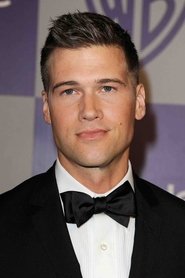
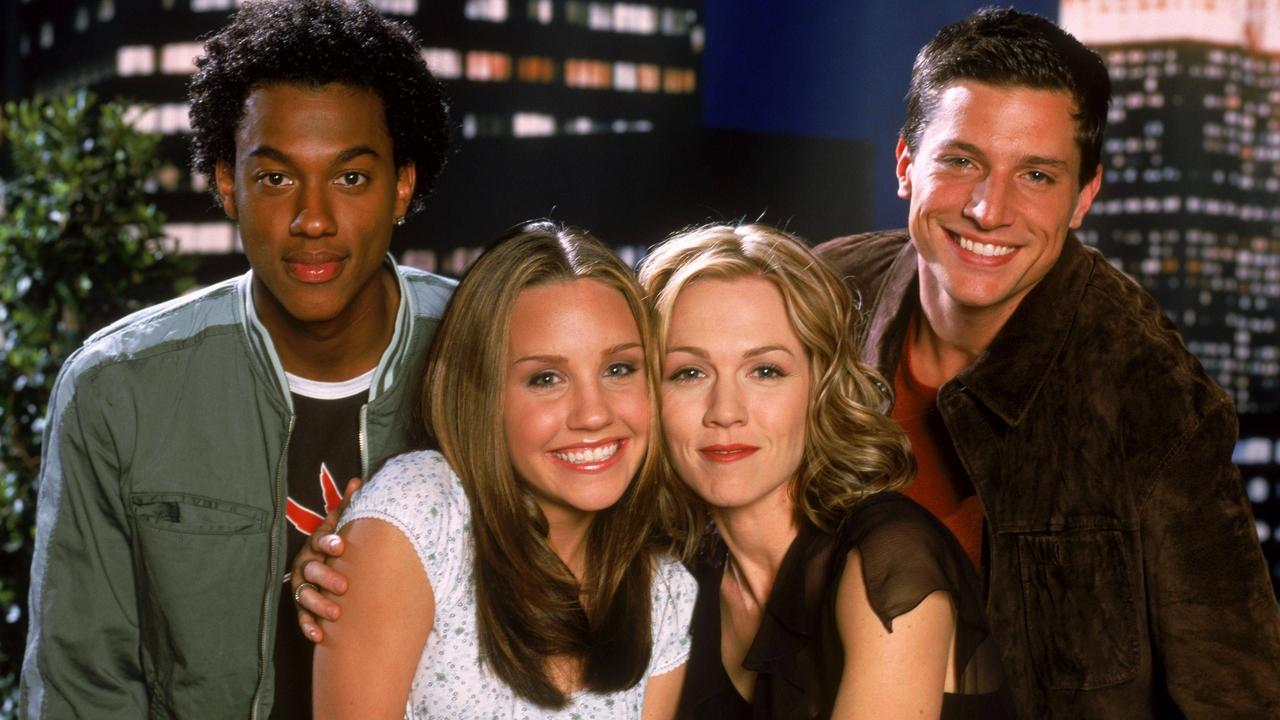
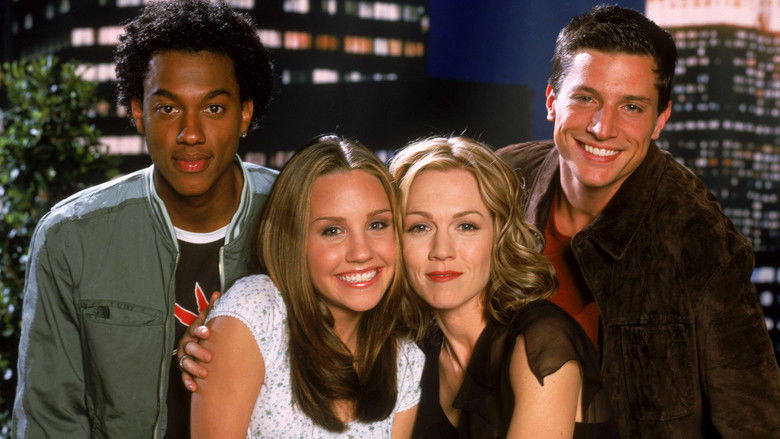
It’s the kind of show you put on when you don’t want to think too hard, when you just want to laugh at the idea of two sisters trying (and failing) to coexist in a tiny New York apartment. The humor is broad, the jokes are safe, and the characters are little more than caricatures of themselves. Holly is the wild child, Val is the uptight older sister, and the supporting cast—Wesley Jonathan’s Gary, Nick Zano’s Vince, Allison Munn’s Tina—are there to provide the occasional romantic subplot or comic relief.
It’s all very sitcom, in the most traditional sense of the word.
But here’s the thing: What I Like About You isn’t just a sitcom. Or at least, it doesn’t have to be. There’s a version of this show that could have been something more—a sharp, observant comedy about the messiness of sisterhood, the way family can both drive you crazy and keep you grounded.
"A lighthearted but uneven early-2000s sitcom with a cult following, primarily remembered for its young cast and nostalgic charm rather than critical acclaim."
Viewers of *What I Like About You* (2002) describe it as a typical early-2000s sitcom that blends comedy and light drama, centered around the dynamic between sisters Valerie (Amanda Bynes) and Holly (Jennie Garth). The show’s short 25-minute episodes and breezy tone made it a staple for younger audiences at the time, though its reception was mixed. On SensCritique, the series holds a modest rating of 4.9/10 based on 852 votes, suggesting it was more of a guilty pleasure than a standout hit. Fans often cite the chemistry between Bynes and Garth as a highlight, along with the show’s ability to capture the carefree energy of its era. However, some viewers note that the humor and writing can feel dated or inconsistent, with jokes that don’t always land. The series’ appeal seems tied to nostalgia, particularly for those who grew up watching it, rather than any lasting critical impact. latestnetflix.com's read is that Coverage of audience reactions is thin, with most discussions focusing on the cast’s post-show careers or brief clips rather than in-depth analysis of the series itself.
What I Like About You (2002) was a defining sitcom for a generation, blending teen comedy with heartfelt sibling drama. Starring Amanda Bynes as the rebellious Holly Tyler and Jennie Garth as her responsible older sister Valerie, the show ran for four seasons on The WB. latestnetflix.com's take is that while the series was a ratings hit, its behind-the-scenes stories—particularly the relationship between its two leads—have kept fans curious.
The on-screen bond between Bynes and Garth was a cornerstone of the show’s appeal, and their off-screen friendship was just as strong. In interviews, both actresses have spoken fondly of their time together. Garth, in particular, has reflected on their dynamic in recent years, especially in light of Bynes’ public struggles. In a 2024 interview, Garth discussed their connection, calling Bynes "a force of nature" and praising her comedic talent . Clips from The Sharon Osbourne Show (2003) show the two sharing playful banter, reinforcing their easy rapport .
Wesley Jonathan, who played Holly’s best friend Gary, and Nick Zano, who joined in Season 2 as Holly’s love interest Vince, rounded out the core cast. While less is documented about their off-screen relationships, their chemistry on-screen helped drive the show’s humor and warmth.
What I Like About You was created by Dan Schneider, a prolific TV producer known for his work on Nickelodeon hits like The Amanda Show (which launched Bynes’ career) and later iCarly and Victorious. Schneider’s involvement has come under scrutiny in recent years, particularly after the 2024 documentary Quiet on Set explored allegations of a toxic work environment on his sets. Garth, who worked with Schneider on both Beverly Hills, 90210 and What I Like About You, addressed the controversy in interviews, acknowledging the cultural shift in how workplace behavior is perceived .
While Garth didn’t detail specific incidents related to What I Like About You, her comments suggest a more nuanced view of Schneider’s influence. She described him as a "complicated" figure who was both a mentor and a demanding boss . The show’s lighthearted tone, however, suggests that whatever tensions existed behind the scenes didn’t overshadow the final product.
The series was known for its mix of slapstick humor and relatable teen drama, with episodes like Tankini (S01E07) becoming fan favorites . Promos for the show, particularly for Season 2, highlighted its blend of comedy and heart, emphasizing the sibling dynamic at its core . Despite its popularity, the show’s legacy has been somewhat overshadowed by Bynes’ later struggles, which have made her early work a bittersweet reminder of her talent.
Critically, What I Like About You received mixed reviews. While audiences loved its energy, some critics found it derivative of other teen sitcoms. A French review site, for example, gave it a modest 4.9/10 rating, though it acknowledged its cult following  .
.
Jennie Garth has remained active in Hollywood, appearing in reality TV (The Masked Singer, Dancing with the Stars) and reprising her role as Kelly Taylor in BH90210 (2019). Amanda Bynes, after stepping away from acting in the late 2010s, has focused on her personal life. Wesley Jonathan and Nick Zano have continued acting in TV and film, while Allison Munn and Leslie Grossman have taken on roles in both comedy and drama projects.
What I Like About You may not have the same cultural footprint as some of its contemporaries, but its charm endures. For fans, it remains a nostalgic snapshot of early-2000s teen TV—one that thrived on the chemistry of its cast, even if the behind-the-scenes stories were more complicated.
Entertainment rumors and trivia aggregated from public reporting. Treat speculation as unverified unless a cited source confirms it.
Related series ranked by rating and popularity.