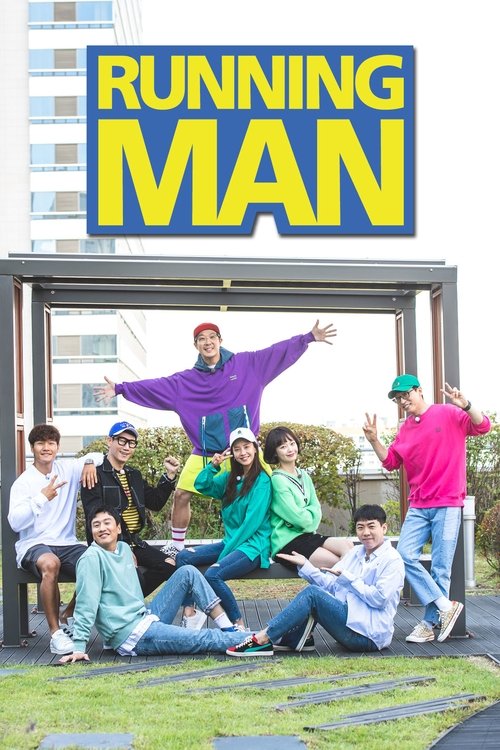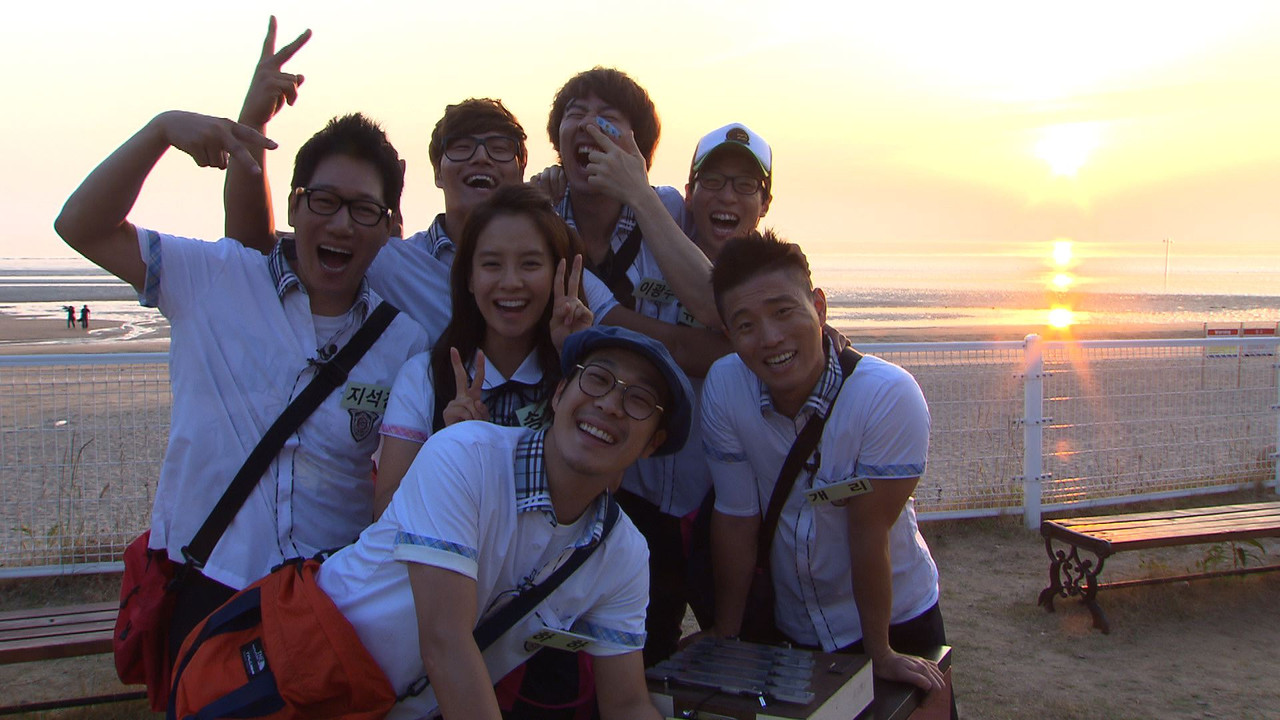

The Architecture of PlaySomewhere along the line, I quit watching *Running Man* for the missions and started showing up the way you check in on people you've known forever. Maybe that turn happened around episode 200. Maybe it was slower than that. When Jo Hyo-jin and his co-creators launched the show on SBS in 2010, the hook was physical and simple: trap celebrities in a landmark overnight and make them play hide-and-seek. Over time, though, it turned into this enormous, 700-plus episode study of how groups behave when they know each other too well. You don't really watch a Korean variety show like this to tally victories. You watch for the friction.
There's a weird alchemy that happens when a cast stays together long enough to function like a family, complete with old grudges, practiced betrayals, and habits nobody can hide anymore. Yoo Jae-suk, the bespectacled "Nation's MC," sits right at the center of that machine. If you’ve never watched a Korean variety show, picture a host with a veteran stand-up's crowd control and a summer camp counselor's frantic eagerness. He steers the show, but he's also happy to throw himself flat on the ground for the joke.

The show's golden-age engine was the "name tag ripping" mission. Simple idea, killer result: a Velcro nametag on your back, removal equals elimination. It turned a kid's recess game into pure physical suspense. In those early episodes, the rooms start feeling like chessboards. Kim Jong-kook—built like a tank and nicknamed "The Commander"—moves through them with terrifying certainty. Everyone else is improvising survival strategies around him. His sheer physical dominance forces the rest of the cast to get sneakier, pettier, or flatter-out more cowardly if they want to stay in the game.
But time wins eventually. No one can spend fourteen years sprinting through malls and museums every Sunday without the knees filing a formal complaint.

As the cast got older, *Running Man* had to change shape. The bodies slowed down, so the format did too. Less all-out running, more sitting, eating, bickering, and nursing ancient grievances. Oddly enough, that shift didn't kill the show. It just turned it into something closer to a sitcom where everybody plays a heightened version of themselves. Pick almost any recent bus ride scene and you can see it working: Haha instantly knows which exact button to push to torment Jee Seok-jin, while some polished guest star—maybe an immaculate K-pop idol or a serious dramatic actor—gradually unravels into somebody screaming over a piece of meat. That's the real skill of *Running Man*. It rubs the shine off celebrity.
It can also be a slog. For the cast, for the crew, and once in a while for the people watching.

Not every episode lands. Some missions drag. Some conversations feel like everyone is just clocking in and doing the professional version of hanging out. Then the show suddenly remembers an old trick. Yoo Jae-suk breaks out the water gun for another of his "Yoo-mes Bond" espionage episodes, his skinny frame sneaking around corners while he betrays his best friends with a perfectly neutral face, and the whole machine snaps back into focus.
I've watched a lot of television spend a fortune trying to fake chemistry. *Running Man* is a reminder that time is the one ingredient you can't counterfeit. The show's real medium is history: the exhaustion in a glance, the joke that only works because it started ten years ago, the way these people can annoy each other with surgical precision. That's what makes it last. It's comedy built out of endurance.