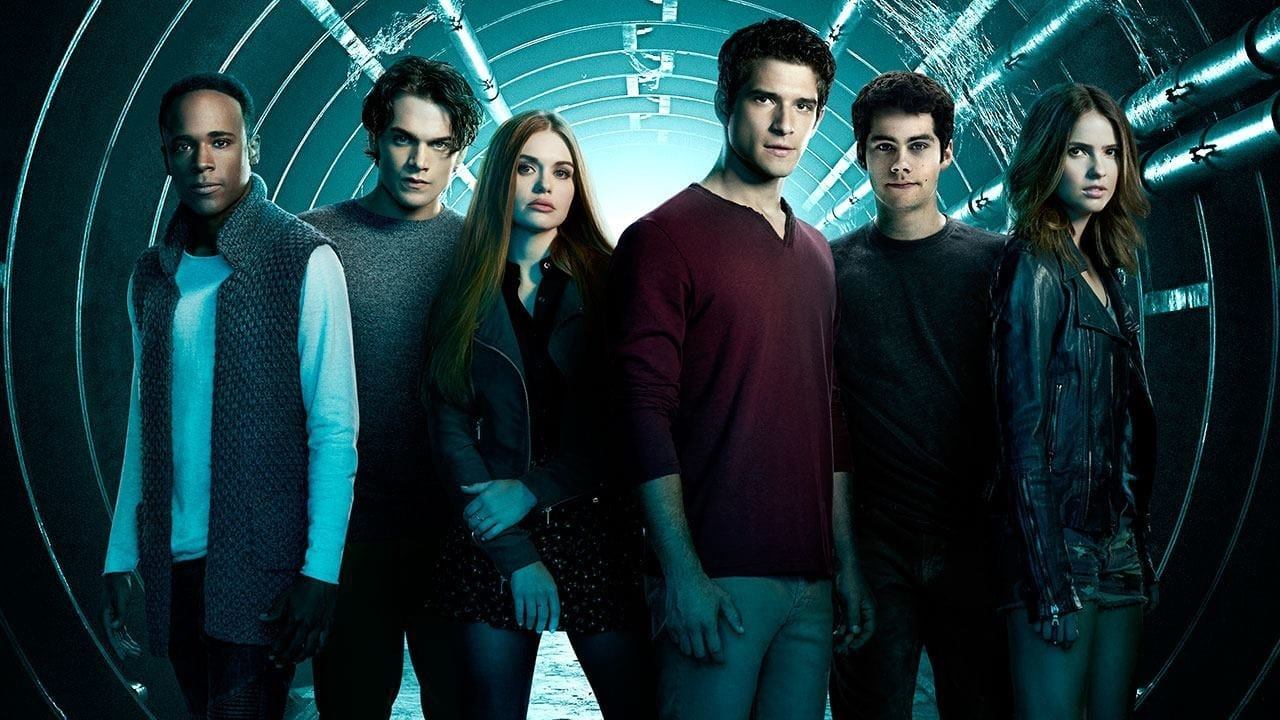
Teen Wolf backdrop
Teen Wolf poster

Teen Wolf

“Watch your pack.”

8.5
2011
6 Seasons • 100 Episodes
Sci-Fi & FantasyDramaComedy
Watch on Netflix

Overview

Scott McCall, a high school student living in the town of Beacon Hills has his life drastically changed when he's bitten by a werewolf, becoming one himself. He must henceforth learn to balance his problematic new identity with his day-to-day teenage life. The following characters are instrumental to his struggle: Stiles, his best friend; Allison, his love interest who comes from a family of werewolf hunters; and Derek, a mysterious werewolf with a dark past. Throughout the series, he strives to keep his loved ones safe while maintaining normal relationships with them.

Sponsored

Trailer

Teen Wolf - Official Trailer Official

Cast

Reviews

AI-generated review
The Sweat, The Mud, and The Moon

When I was younger, the werewolf always felt like the saddest monster. It never chose the curse; it just woke up inside it. Rewatching Jeff Davis's 2011 MTV revival of *Teen Wolf*, what jumps out is how directly it plugs into that teenage terror. By all rights this should have been a terrible idea—a grim, sexy reboot of the 1985 Michael J. Fox basketball comedy sounds like a joke someone lost a bet over. And yet across six seasons and 100 episodes it mutates into its own peculiar beast: part supernatural soap, part teen panic attack, with the emotional grammar of *Buffy* filtered through the neon anxiety of 2010s TV.

Scott in the woods

The pilot tells you almost everything in the woods. Scott McCall (Tyler Posey) and Stiles stumble through the dark with shaky flashlights, and the camera doesn't float above them to reassure us. It lurches with them. Twigs crack. Breath goes ragged. The blues and greens are so sickly the forest looks bruised. When Scott gets bitten, the scene doesn't play like destiny or empowerment. It plays like violation. That matters. By making the bite feel invasive and bodily, the show turns a ridiculous premise into something that actually hurts.

The pack gathering

Posey carries more of the whole machine than the series sometimes seems to realize. He was basically still a kid when it started, and those early episodes show the seams. He leans on the clenched jaw a little too hard whenever anger is required. But he also has this loose, slightly gawky physicality that keeps Scott human. He moves like somebody still negotiating with his limbs. Knowing what Posey later said publicly about addiction and the relentless pressure of growing up in the industry gives Scott's protectiveness a sad undertow. The character is forever trying to hold the pack together with the emotional toolkit of a teenager.

Nighttime confrontation

The series absolutely trips over itself whenever it falls too hard for its own mythology—kitsunes, dread doctors, ghost riders, all the lore that keeps piling up until the human mess gets buried. That's when it forgets what people came for in the first place, which was friendship, desire, fear, and loyalty under pressure. Dan Forcella at *TV Fanatic* was right early on: it works best when the "in-depth mythology" stays tied to Scott's actual emotional life. Strip away the clutter, though, and *Teen Wolf* can be weirdly potent. It makes adolescence literal—a hormone-soaked disaster movie where the monster is your own body and the only option is figuring out how to live inside it. I don't think the writers always had a map. That may be why it still feels alive. It's messy, overheated, and sometimes genuinely great. Which is to say: very high school.

Opening Credits (1)

Teen Wolf | Official Opening Titles (Season 4) | MTV