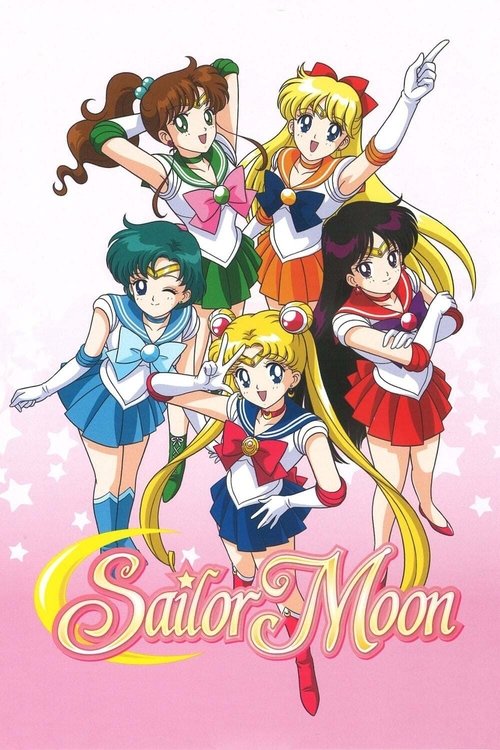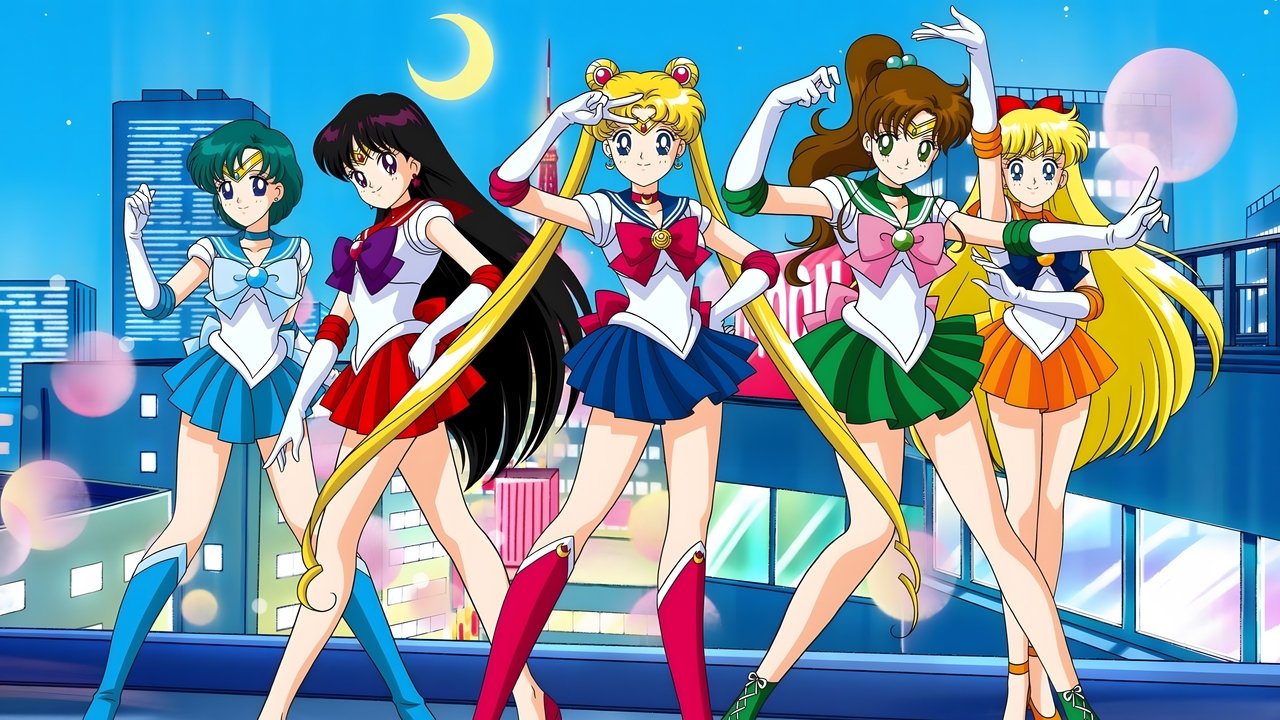

The Lunacy of BecomingThere's a distinct, jagged kind of pain in watching Usagi Tsukino stumble through the first few episodes of the 1992 *Sailor Moon* anime. She isn’t a hero in the way our modern, polished blockbusters demand. She’s a fourteen-year-old girl who cries when her math test scores come back low, who dreams of marrying a rich guy, and who has a singular, relatable talent for tripping over her own feet. When she’s thrust into the cosmic mantle of the "champion of love and justice," it feels less like a chosen destiny and more like an imposition of the universe upon a perfectly ordinary, messy life.

We often mistake the *henshin*—the transformation sequence—for the point of the series. Those sparkling, kaleidoscopic sequences where Usagi spins into her Sailor Guardian form have been etched into the collective consciousness of a generation. But that’s just the iconography. The real work of the show, the reason it still hums with such electricity after all these decades, happens in the mundane silences *between* the fights. Kotono Mitsuishi’s vocal performance is the anchor here. She captures something rare in animation: the frantic, high-pitched register of a girl who is terrified, hungry, sleepy, and, frankly, in love, all at the same time. She doesn't perform "bravery" as a static trait; she performs it as a choice she makes, often while visibly trembling.
When people talk about the "Magical Girl" genre, they often frame it as escapism—sugar-coated confection for the masses. But watch the way the show treats the Dark Kingdom. It isn't just a collection of monsters to be vanquished; it’s a manifestation of the anxieties of adulthood and the crushing expectations placed on teenagers. *The New York Times* once noted, with surprising tenderness, how the series “upended the standard-issue superhero tropes by prioritizing the emotional bonds between girls over the solitary path of the masked vigilante.” That’s the key, isn't it? The victory isn't in the laser blast; it’s in the messy, often contradictory act of leaning on your friends because you simply can't carry the weight of the world alone.

I’m particularly drawn to the quiet moments in the Crown Game Center, the arcade where the girls congregate. There’s a specific, scratchy aesthetic to the 1992 animation—the way the cel-painted backgrounds sometimes feel like watercolor dreams, soft and hazy at the edges. It contrasts sharply with the jagged, menacing geometry of the villains. It’s a visual shorthand for a simple truth: the world is a cold, indifferent machine, but your living room—or your arcade, or your bedroom—is a sanctuary.
There’s a scene early in the series, maybe you remember it, where Usagi is just sitting on a rooftop, looking at the moon, exhausted from a fight she barely understood. She isn’t posing. She’s slumped. Her shoulders are dropped, her hair is slightly disheveled from the wind, and, frankly, for a fleeting moment, she looks like exactly what she is: a child. It’s in these moments of vulnerability that the show truly earns its reputation. It doesn’t ask its audience to aspire to some unattainable perfection. It asks us to look at our own failures—our clumsiness, our stubbornness, our crying fits—and see them not as flaws, but as the friction that allows us to catch fire.

Maybe that’s why, even thirty years later, we haven't quite moved past her. We’re still looking for that same permission—the permission to be deeply, fundamentally flawed and yet, somehow, essential to the survival of the things we love. *Sailor Moon* isn’t a pristine monument of animation; it’s a living, breathing, sometimes clumsy document of what it feels like to grow up. And honestly? I think I prefer it that way. Perfection is static, but growth? Growth is always a little bit messy.