

East Blue
61 episodes Oct 20, 1999 7.6
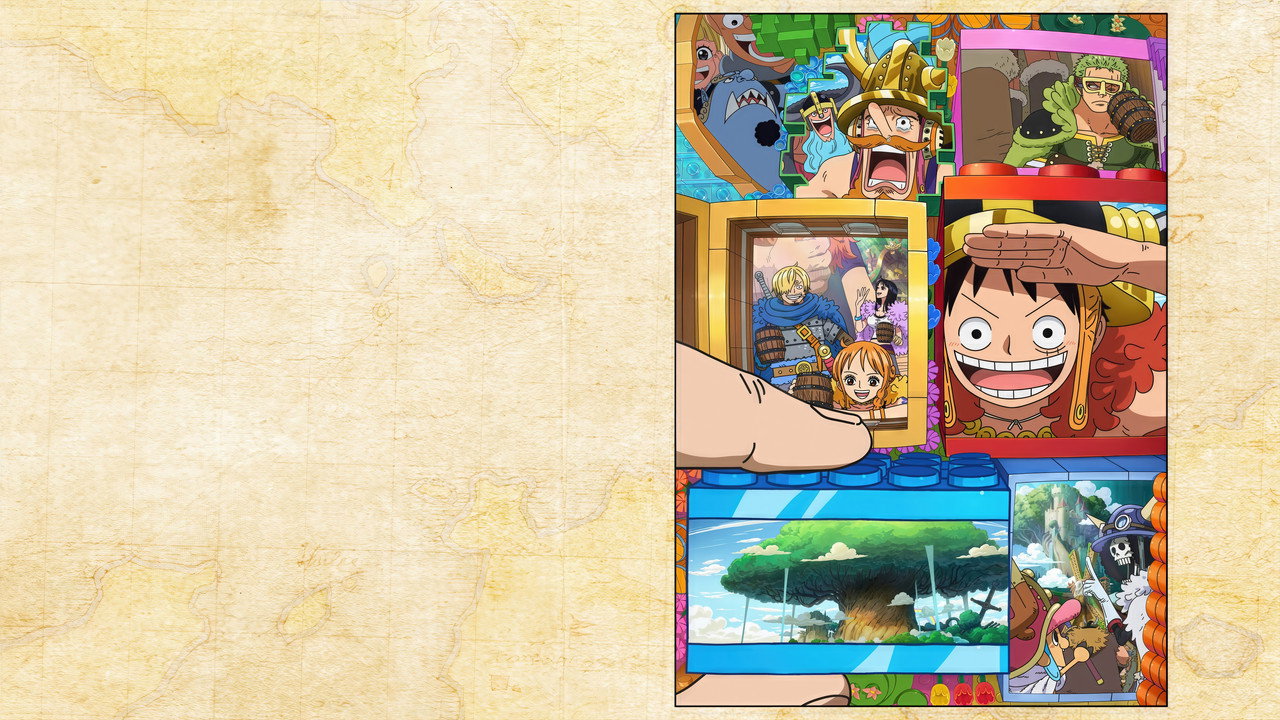
Monkey D. Luffy meets the Red Hair Pirates as a young boy living in East Blue, swearing becoming the next Pirate King. 10 years later, Luffy sets sail and experiences first adventures, recruiting the first members of the Straw Hat Pirates.
- 1 I'm Luffy! The Man Who Will Become the Pirate King!
- 2 The Great Swordsman Appears! Pirate Hunter, Roronoa Zoro
- 3 Morgan VS Luffy! Who's This Beautiful Young Girl?
- 4 Luffy's Past! The Red-haired Shanks appears
- 5 Fear, Mysterious Power! Pirate Clown Captain Buggy!
- 6 Desperate Situation! Beast Tamer Mohji vs Luffy!
- 7 Grand Duel! Zoro the Swordsman vs Cabaji the Acrobat!
- 8 Who Will Win? Showdown Between the True Powers of the Devil!
- 9 The Honorable Liar? Captain Usopp!
- 10 The Weirdest Guy Ever! Jango the Hypnotist!
- 11 Expose the Plot! Pirate Butler, Captain Kuro!
- 12 Clash with the Black Cat Pirates! The Great Battle on the Slope!
- 13 The Terrifying Duo! Meowban Brothers vs. Zoro!
- 14 Luffy Back in Action! Miss Kaya's Desperate Resistance!
- 15 Beat Kuro! Usopp the Man's Tearful Resolve!
- 16 Protect Kaya! The Usopp Pirates' Great Efforts!
- 17 Anger Explosion! Kuro vs. Luffy! How it Ends!
- 18 You're the Weird Creature! Gaimon and His Strange Friends!
- 19 The Three-Sword Style's Past! Zoro and Kuina's Vow!
- 20 Famous Cook! Sanji of the Sea Restaurant!
- 21 Unwelcome Customer! Sanji's Food and Ghin's Debt!
- 22 The Strongest Pirate Fleet! Commodore Don Krieg!
- 23 Protect Baratie! The Great Pirate, Red Foot Zeff!
- 24 Hawk-Eye Mihawk! The Great Swordsman Zoro Falls At Sea!
- 25 The Deadly Foot Technique Bursts Forth! Sanji vs. The Invincible Pearl!
- 26 Zeff and Sanji's Dream! The Illusory All Blue!
- 27 Cool-headed, Cold-hearted Demon! Pirate Fleet Chief Commander Ghin!
- 28 I Won't Die! Fierce Battle, Luffy vs. Krieg!
- 29 The Conclusion of the Deadly Battle! A Spear of Blind Determination!
- 30 Set Sail! The Seafaring Cook Sets Off With Luffy!
- 31 The Worst Man in the Eastern Seas! Fishman Pirate Arlong!
- 32 Witch of Cocoyashi Village! Arlong's Female Leader!
- 33 Usopp Dead?! When is Luffy Going to Make Landfall?!
- 34 Everyone's Gathered! Usopp Speaks the Truth About Nami!
- 35 Untold Past! Female Warrior Bellemere!
- 36 Survive! Mother Bellemere and Nami's Bond!
- 37 Luffy Rises! Result of the Broken Promise!
- 38 Luffy in Big Trouble! Fishmen vs. The Luffy Pirates!
- 39 Luffy Submerged! Zoro vs. Hatchan the Octopus!
- 40 Proud Warriors! Sanji and Usopp's Fierce Battles!
- 41 Luffy at Full Power! Nami's Determination and the Straw Hat!
- 42 Explosion! Fishman Arlong's Fierce Assault From the Sea!
- 43 End of the Fishman Empire! Nami's My Friend!
- 44 Setting Out with a Smile! Farewell, Hometown Cocoyashi Village!
- 45 Bounty! Straw Hat Luffy Becomes Known to the World!
- 46 Chase Straw Hat! Little Buggy's Big Adventure!
- 47 The Wait is Over! The Return of Captain Buggy!
- 48 The Town of the Beginning and the End! Landfall at Logue Town!
- 49 Zoro's New Swords and the Woman Sergeant Major!
- 50 Usopp vs. Daddy the Parent! Showdown at High!
- 51 Fiery Cooking Battle? Sanji vs. The Beautiful Chef!
- 52 Buggy's Revenge! The Man Who Smiles On the Execution Platform!
- 53 The Legend Has Started! Head for the Grand Line!
- 54 Precursor to a New Adventure! Apis, a Mysterious Girl!
- 55 Miraculous Creature! Apis's Secret and The Legendary Island!
- 56 Eric Attacks! Great Escape From Warship Island!
- 57 A Solitary Island in the Distant Sea! The Legendary Lost Island!
- 58 Showdown in the Ruins! Tense Zoro vs. Eric!
- 59 Luffy, Completely Surrounded! Commodore Nelson's Secret Strategy!
- 60 Through the Sky They Soar! The 1000 Year Legend Lives Again!
- 61 An Angry Showdown! Cross the Red Line!