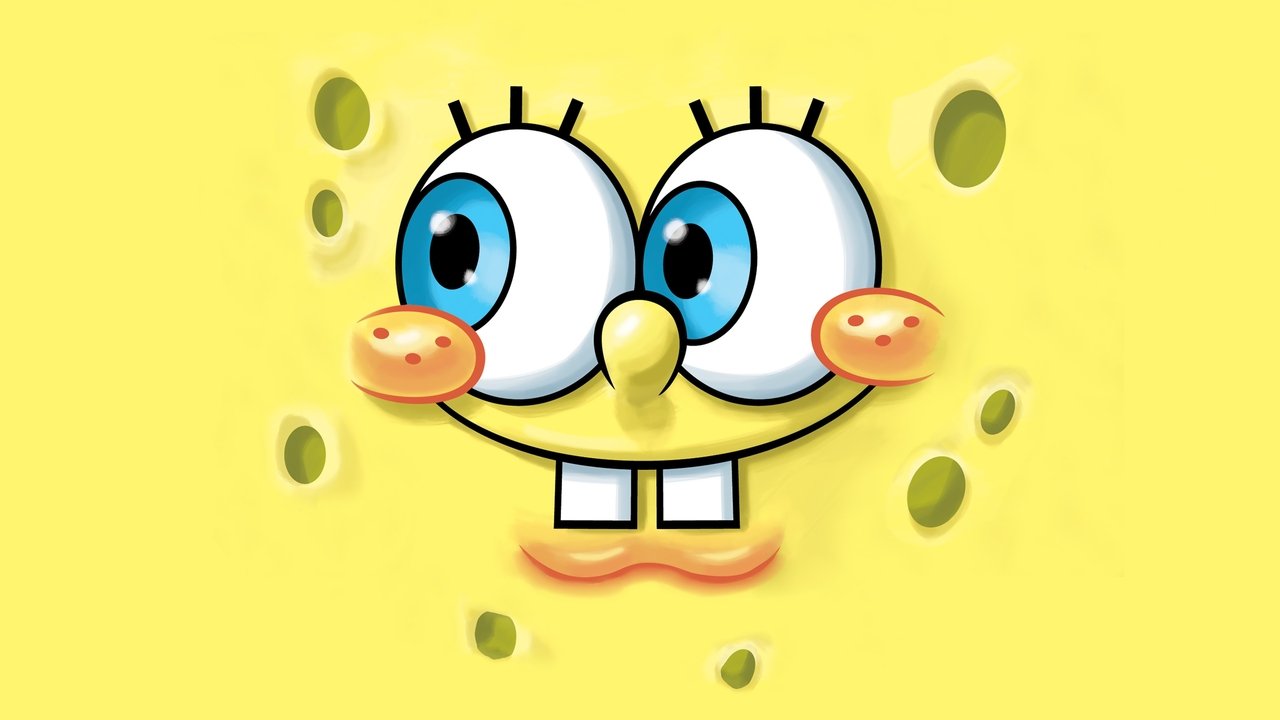
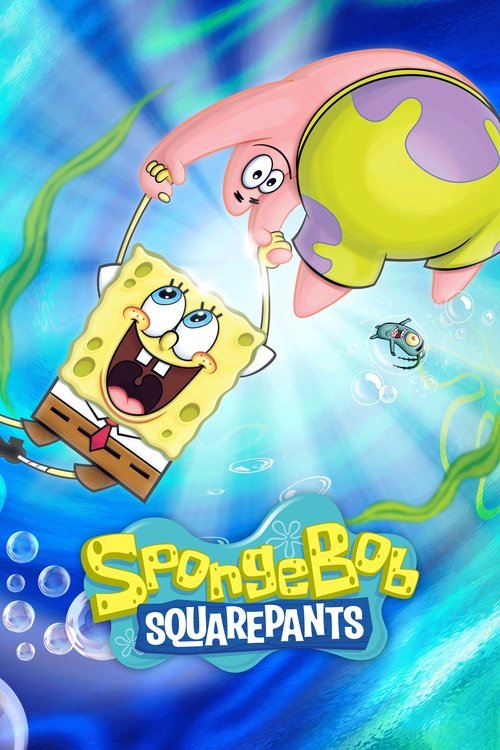
The Optimist in the PineappleI still have that specific shade of watercolor blue from the *SpongeBob SquarePants* backgrounds burned into my memory. When the show premiered in 1999, animation was in the middle of a strange identity crisis. We were moving past the gross-out obsession of *Ren & Stimpy* and into the cynical, hyper-aware attitude of the new millennium. Then Stephen Hillenburg, who actually taught marine biology, decided kids needed a workplace sitcom about a sea sponge flipping burgers. It sounds ridiculous, and it is, but Hillenburg built it into a perfect engine for slapstick comedy and genuine emotional sincerity.

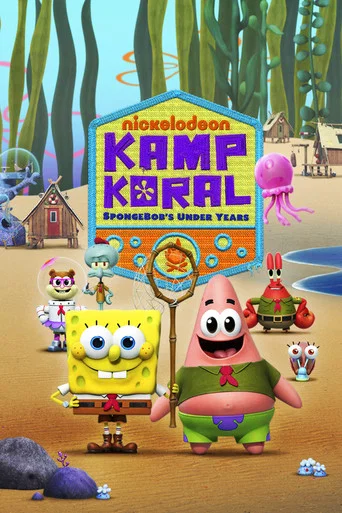
Hillenburg constructed Bikini Bottom with the weirdly specific logic of someone who understood tide-pool ecology but chose to view it through a 1950s tiki-culture lens. The world feels remarkably tactile; you can almost feel the damp sand and hear the twang of those lap steel guitars in the air. It’s funny how well an underwater setting works as a stand-in for suburban boredom, but it just clicks. He filled this world with vaudevillian archetypes that feel older than television itself, where the stakes aren't about saving the world, but simply surviving a shift next to a neighbor who hates your guts.
The 'Pizza Delivery' episode is probably the best distillation of why the show is a masterpiece. SpongeBob and Squidward get stranded in the middle of nowhere, forced to trek for miles just to deliver one Krusty Krab pizza. It’s a incredibly simple setup, yet in eleven minutes, it shifts from surreal visual gags—like driving a giant rock—to a surprisingly heavy character study. When a jerk customer makes SpongeBob cry, Squidward actually drops his cynical act to defend him. It’s a small, graceful moment that turns a high-speed screwball comedy into something with real emotional weight.

The whole thing really relies on Tom Kenny's performance. As SpongeBob, Kenny doesn't just do a funny voice; he weaponizes pure enthusiasm. His approach feels like a descendant of Stan Laurel or Pee-wee Herman—the innocent guy whose good intentions constantly wreck everything around him. If you watch those early seasons, the animation is clearly following Kenny’s vocal energy. That staccato laugh is just grating enough to explain why Squidward is miserable, but Kenny also gives the character a lot of heart. When SpongeBob’s lip starts quivering, you actually feel for the guy.
Then you have Rodger Bumpass as Squidward Tentacles. Bumpass gives the character the exhausted, slumped-shoulder energy of a failed artist who’s just done with everything. If you've ever worked a service job, you recognize that heavy-lidded stare immediately. Squidward isn't a villain; he's just a frustrated adult trapped in a dead-end career, wanting nothing more than to play his clarinet in peace. The tragedy of Squidward is that he truly believes he’s a genius, but he’s stuck in a town that only cares about eating greasy fast food.

It’s no surprise that the show has stayed relevant for so many decades. Critics love to argue over whether it’s a satire of capitalism or just a goofy distraction, and the truth is it's likely both. But the real reason it sticks with us is simpler. In an era where irony is the default setting for everything, *SpongeBob SquarePants* insists that actually caring about things—even something as minor as flipping a patty—is a noble way to live. It dares to be completely, unironically joyful, and that’s what keeps us coming back to the pineapple under the sea.