
Season 1
40 episodes Mar 5, 2007 ★ 9.1
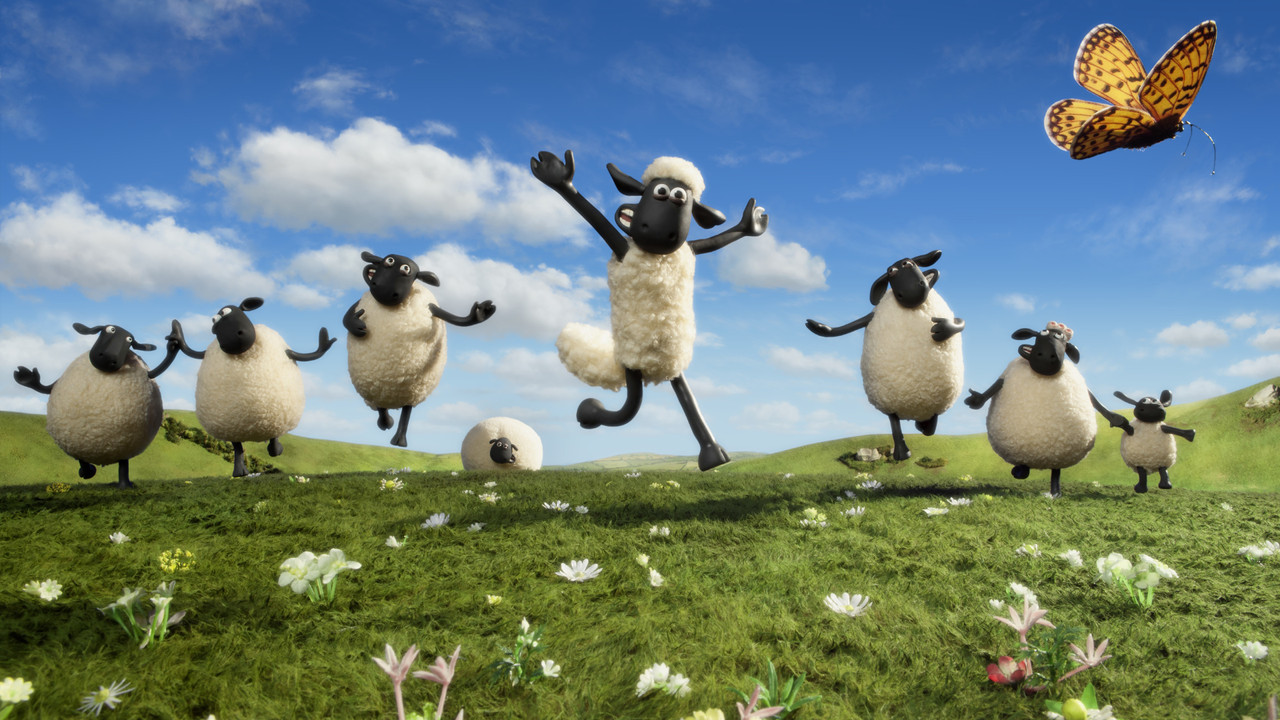
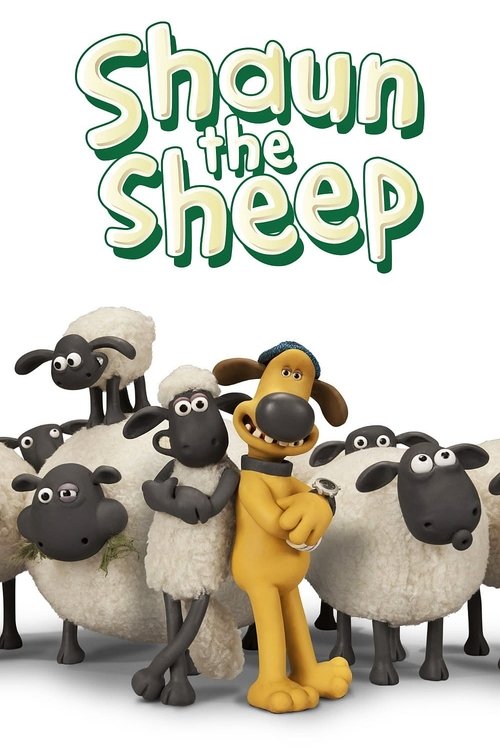
Shaun the Sheep thinks and acts like a person in a barnyard, which usually gets him into trouble. The farmer's sheepdog, Bitzer, tries to keep Shaun and his friends out of trouble. The farmer is oblivious to the humanlike features of his flock, who are like one big, happy family.
Latest episode: S6 E20 Fleece Navidad (Dec 1, 2025)


There’s a moment in Shaun the Sheep—really, there are many of them—when I catch myself smiling at something that’s almost aggressively small: a sheep’s eyebrow lift, a pause before a bad idea, the tiny humiliation of being caught by Bitzer the dog. That’s the trick of the series, and it’s a stubbornly good one. It takes the grand machinery of slapstick and runs it through a farmyard so modest you can practically smell the damp straw.
No speeches. No speeches, actually, is the point. For a show aimed at children, it has a very old-fashioned faith that action, posture, and timing can do the work of dialogue, and that trust gives it a peculiar elegance.
I think that’s why Shaun the Sheep has outlasted so many brighter, noisier cartoons of its era. Launched in 2007 as a spin-off from Wallace & Gromit, it arrives from a specific British stop-motion tradition: handmade surfaces, stubbornly tactile objects, jokes that depend on rhythm more than explanation. Nick Park’s influence is obvious even when his name isn’t front and center.
The lineage matters. This is comedy built from clay, wool, wire, and patient hands, and the series keeps one foot in rural English folklore while the other is planted in the mechanics of silent-era farce. The sheep don’t speak, which sounds like a gimmick until you realize how much personality the show finds in silence.
A head tilt becomes a line reading. A blank stare can be a punchline.
What the series understands, very shrewdly, is that children’s comedy doesn’t need to be louder than adult comedy. It needs to be clearer. The basic geometry here is almost musical: Shaun improvises, the flock follows, Bitzer scrambles to restore order, the farmer blunders through like a weather vane made of tweed.
You can feel the show thinking in terms of choreography rather than plot. Each episode is usually a machine for escalating a simple nuisance into full-scale pastoral disaster. A misplaced object, a mistaken identity, an accidental invention, and suddenly the whole farm has become a stage for collapses, disguises, and the sort of physical chaos Buster Keaton would probably have admired if he’d been born into wool.
The central discourse around Shaun the Sheep has always been this: how can something so gentle be so precise? It’s a “kids’ show,” sure, but that label misses the sophistication of the craft. The animation is stop-motion in the best sense—each gesture feels chosen, not merely recorded.
Series
Related series ranked by rating and popularity.