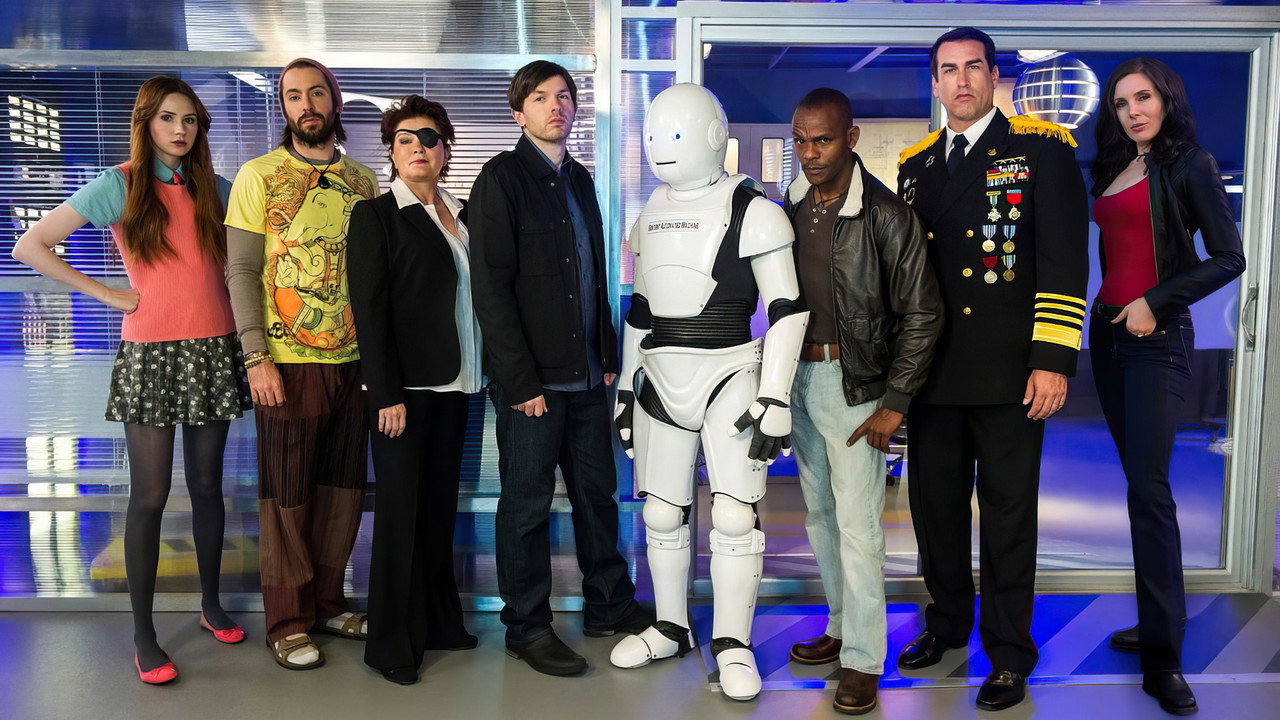

NTSF:SD:SUV:: backdrop
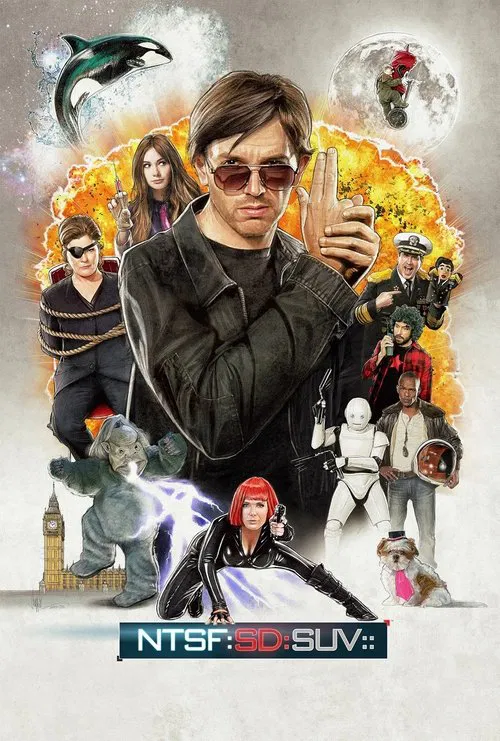
NTSF:SD:SUV:: poster

NTSF:SD:SUV::

6.8
2011
3 Seasons • 39 Episodes
ComedyAction & Adventure

Overview

NTSF:SD:SUV:: – meaning National Terrorism Strike Force: San Diego: Sport Utility Vehicle:: – is a quarter-hour format American television comedy that parodies the police procedural and action film genres.

Sponsored

Cast

Reviews

AI-generated review
The Abject Horror of the Secondhand Saiyan

There is a strange, almost melancholy curiosity in watching a franchise dismantle its own myth. By 1994, Broly had already been established as the Legendary Super Saiyan—a monolith of pure, unadulterated rage, a narrative anchor so heavy he threatened to drag the entire *Dragon Ball Z* universe into a repetitive loop of screaming matches. *Bio-Broly*, directed by Yoshihiro Ueda, takes this unstoppable force and turns him into something far more grotesque: a science experiment gone wrong, a pile of bio-organic sludge that feels like a desperate post-script to a story that should have ended two movies prior.

It is, quite frankly, an odd little film. It lacks the operatic scale of the earlier Broly outings, trading the cosmic threat for a claustrophobic, slime-filled laboratory setting. It feels less like a grand anime spectacle and more like a B-movie monster flick that happens to have the budget of a Toei Animation feature.

The grotesque, melting form of Bio-Broly emerging from the culture tank

The film’s central conceit—cloning a warrior because the original is, ostensibly, "used up"—reveals the cynical mechanics of the franchise itself. The writing does not try to elevate the threat; it tries to commodify it. We watch scientists scurrying around in lab coats, attempting to bottle lighting, only to produce a mess of purple, pulsating mutant tissue. It’s an accidental allegory for the churning gears of the anime industry in the mid-90s, where the demand for "more content" often results in dilution. The animators clearly lean into this body horror, crafting a villain who looks less like a god and more like a puddle of existential dread that refuses to evaporate.

Consider the role of Mr. Satan (Hercule) here. He is the franchise’s enduring human anchor, the coward whose desperate need for validation creates the plot. Watching Daisuke Gori voice him, you hear that specific, brittle bravado—the way he holds onto his fragile ego even as the world literally dissolves around him. He is not the hero, but he’s the only one acting like a person in a room full of demigods, and there is a quiet, pathetic dignity in that. He wants the glory, but he’s constantly being upstaged by children (Trunks and Goten) who treat the apocalypse as a weekend field trip.

Goten and Trunks battling against the encroaching tide of bio-sludge

The pacing is frantic, lacking the "breathing room" that makes the slower, more deliberate arcs of the manga work. Yet, there is a tactile quality to the chaos. The fight scenes—if you can call them that—are not about martial arts perfection anymore. They are about containment. It’s a messy, claustrophobic scramble. When the bio-liquid starts spraying, the film stops being about power levels and becomes about survival. The visual palette shifts from the brilliant gold of Super Saiyan hair to the sickly, deep purples and grays of the lab’s interior, as if the movie itself is trying to wash away the iconic imagery of its predecessor.

It’s tempting to dismiss *Bio-Broly* as a misfire, a lazy sequel in a factory of spin-offs. And yet, I cannot quite shake the feeling that its ugliness is the point. It’s a film that asks us to stare at the wreckage of our own nostalgia. By turning a legendary, world-ending antagonist into a mindless, melting mass of chemicals, the film inadvertently performs a critique of its own existence.

Android 18 bracing for the impending chaos on the island

There is a haunting visual in the climax where the characters are forced to fight against a rising tide of, well, waste. It’s not a grand duel under a darkening sky; it’s a fight for sanitation. We are left with the sense that some things, once finished, should not be brought back to life—or if they are, they come back fundamentally altered, lacking the soul of the original, reduced to a sloppy, incoherent shadow of what once terrified us. In that way, *Bio-Broly* is perhaps more honest than the studio intended. It captures the exact moment the spectacle began to lose its shape, spilling over the sides of the container, leaving us to mop up the mess.