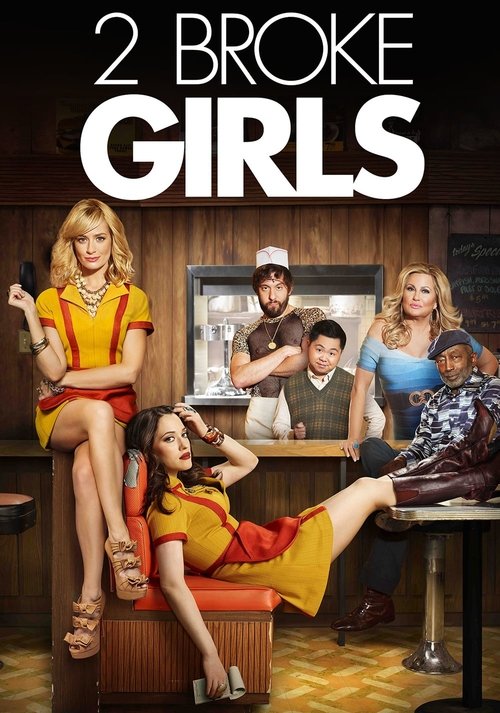

The Neon Glare of Recession ComedyI still remember the whiplash of watching television in the early 2010s, trying to figure out what the American sitcom was supposed to be. On one side, single-camera comedies were getting quieter, more cinematic, leaning into uncomfortable silences. On the other stood *2 Broke Girls*. Arriving in 2011 on CBS, it was a multi-camera beast, loud and brightly lit, powered by a laugh track so aggressive it sometimes felt like a threat. Created by Michael Patrick King and Whitney Cummings, the show hit the airwaves just as the dust from the 2008 financial crisis settled into permanent economic anxiety. The premise was ruthlessly simple: two young women in a gentrifying Brooklyn, counting pennies to start a cupcake business.
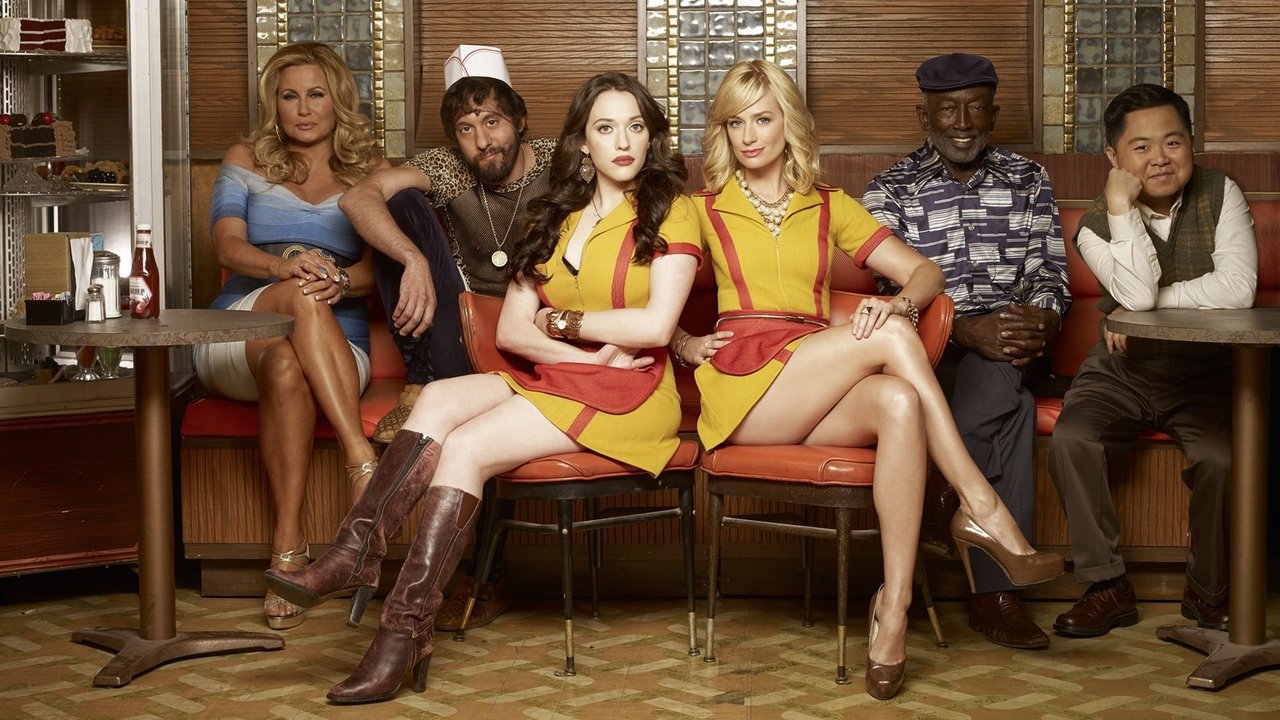
Kat Dennings played Max Black, a waitress marinated in poverty and sarcasm. Beside her was Beth Behrs as Caroline Channing, a disgraced billionaire's daughter tumbling down the socioeconomic ladder after her father’s Bernie Madoff-style arrest. You can see the gears of the odd-couple machinery turning from miles away.

What actually made the pilot pop—and what kept me tuning in for a while, despite my better judgment—was the sheer kinetic friction between Dennings and Behrs. Dennings, who had spent the previous few years perfecting her specific brand of deadpan in indie films, grounds the show with her posture alone. She moves through the Williamsburg Diner with heavy shoulders and a permanent, protective slouch, weaponizing her apathy to keep the world at bay. Behrs, by contrast, vibrates at a frequency of frantic entitlement. She stands impossibly upright, her neck tense, wearing her ruined wealth like a phantom limb. (There is a moment early on where Caroline tries to navigate the grime of a subway car, holding her designer bag like a shield, and Behrs lets her eyes dart wildly while keeping her spine rigid. It is a very funny, very physical articulation of class shock.)
When the show isolates these two in their cramped apartment, tallying up their tip money at the end of an episode, it taps into something real. It’s a vision of millennial scraping-by that network television usually sands down. *The New Yorker*'s Emily Nussbaum aptly called Max a sort of "Roseanne, Jr.," and you can feel that blue-collar DNA trying to claw its way to the surface of the script. The chemistry between the two leads functions as a survival mechanism in a city that wants to bleed them dry.

Then they step out into the diner, and the floor falls out from under the show.
It is genuinely difficult to reconcile the sharp, class-conscious banter between Max and Caroline with the grotesque caricatures that populate their workplace. The supporting cast feels teleported in from a 1970s vaudeville act that got canceled for being too crude. Matthew Moy plays Han Lee, the diner’s Korean owner, who is routinely subjected to jokes about his height, his accent, and his perceived lack of masculinity. Jonathan Kite plays Oleg, a Ukrainian cook whose entire personality is a parade of aggressive sexual harassment masquerading as Eastern European charm. It is lazy writing, loud and repetitive. Nussbaum noted at the time that the writing for the supporting characters was "so racist it is less offensive than baffling."
I'm not entirely sure how the creators thought this balance would hold. Michael Patrick King famously had a meltdown at a 2012 press tour when reporters pushed him on the show's reliance on ethnic stereotypes. He became defensive, arguing that he was an "equal opportunity offender." But there is a difference between writing characters who offend each other and writing characters whose only function is to be a punchline for their own ethnicity. The reliance on cheap shock value—a relentless barrage of anatomical puns and retrograde gags—slowly suffocates the genuine warmth between the two leads.

Watching *2 Broke Girls* now feels like observing a tug-of-war. In one corner, there are two capable comedic actors building a believable, prickly friendship out of mutual desperation. In the other corner is a network sitcom infrastructure demanding three jokes a page, regardless of where they land or who they flatten. Dennings eventually spoke about needing to shed that waitress uniform after six seasons of the same repetitive joke format, and you can see the exhaustion setting in during the later years.
Whether that wasted potential is a tragedy or just the nature of the network beast depends on your patience. I just can't help but wish the show had trusted its central premise. Two women counting crumpled dollar bills in the dark, trying to buy themselves a future, was already enough of a story. They didn't need the circus surrounding them to make us care.