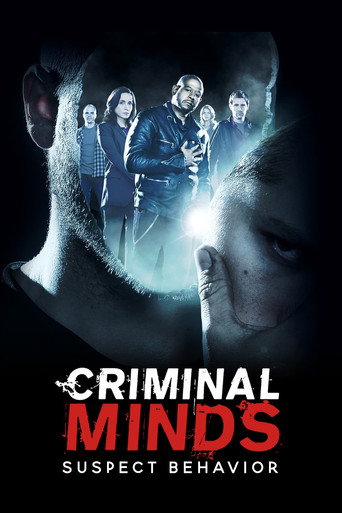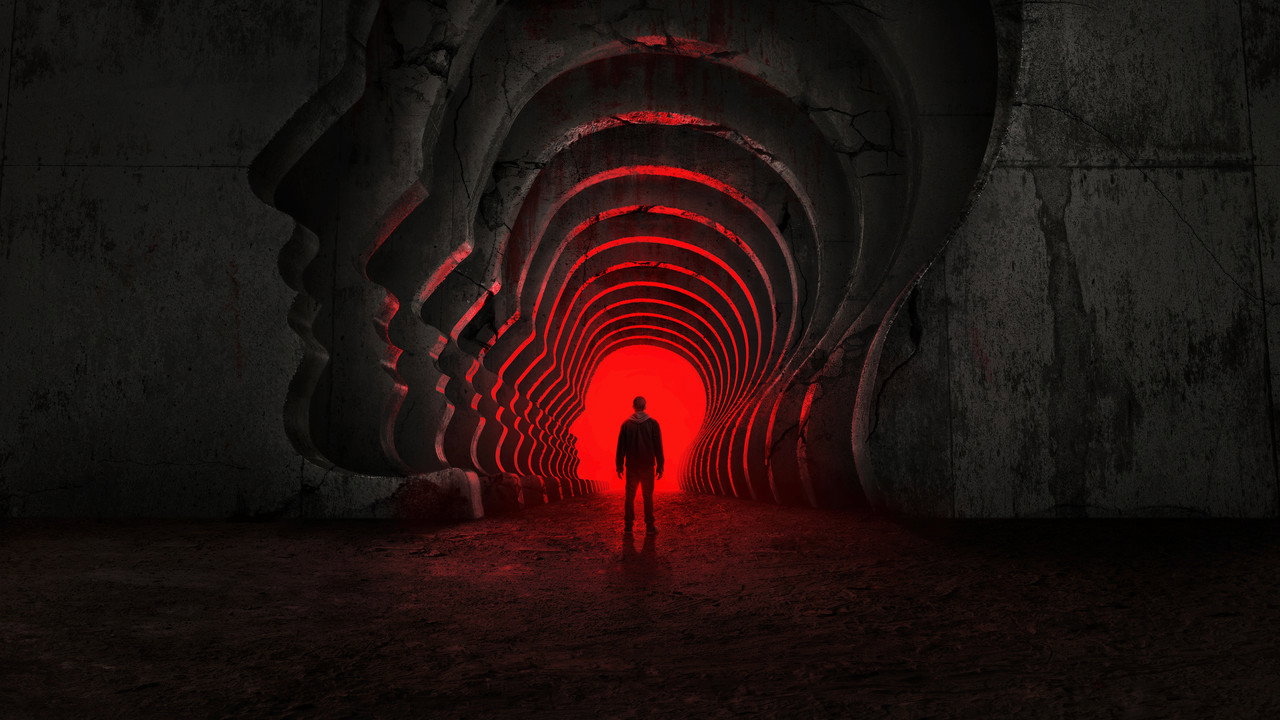

The Geometry of Our NightmaresThere’s a specific, chilly comfort to watching *Criminal Minds*. It’s a procedural, yes—a well-oiled machine that has chugged along for nearly two decades—but it operates less like a standard detective show and more like a weekly séance with the dark side of the American id. Jeff Davis’s creation isn't really about solving crimes in the traditional, gumshoe sense. It’s about the geography of obsession. Every week, the members of the Behavioral Analysis Unit (BAU) board a private jet, drink a suspiciously large amount of coffee, and descend into the chaotic psyche of someone who has decided that reality is something that can be broken.

The show’s longevity is, frankly, staggering. In an era where television narrative has shifted toward the "limited series" event, *Criminal Minds* remains stubbornly, blissfully episodic. It is a procedural that understands its own rhythm perfectly: the "unsub" (unknown subject) commits a transgression that pushes the boundaries of human cruelty, and our team of profilers—the secular saints of the FBI—deconstructs the trauma that led there. Critics have often scratched their heads at its grim tone. Writing for *The New York Times* back when the show premiered, Alessandra Stanley noted the show’s "ghoulish fascination with the inner workings of twisted minds," and she wasn’t wrong. But that ghoulishness is also its thesis. We watch, I think, because we want to believe that there is a map for the darkness. If we can label the monster, surely we can cage it.
Watching the ensemble shift over the years has been a study in character evolution. Take Joe Mantegna, who joined in the third season. He brought a certain world-weariness to David Rossi that anchored the show’s more fantastical tendencies. Mantegna carries himself with the posture of a man who has seen too much but refuses to look away. He’s not the explosive hero; he’s the guy who leans against the doorframe, watching a whiteboard, letting his eyes do the work. His presence allowed the show to pivot from the more clinical, almost academic intensity of the early seasons toward something more grounded in mentorship and shared grief.

The craft of the show relies heavily on the "profiling scene," those moments where the team stands in a circle, looking at crime scene photos as if they were holy relics, articulating the inner life of a killer. It’s a parlor trick, really—a piece of deductive theater—but the show treats it with the gravity of a confession. Consider the pacing during these moments: the way the camera tracks slowly toward a character’s face just as they realize the connection. It’s not just about solving the puzzle; it’s about the moment of empathy. Because the show forces us to look at the perpetrator’s motivation, it inadvertently forces us to recognize the humanity in the inhuman. That’s a dangerous game to play for twenty years.
There is a tactile quality to the show’s violence that borders on the fetishistic, a point where I often find myself squirming. The victims are rarely just bodies; they are narrative devices, carefully arranged to teach the heroes something about themselves. Whether that’s a bug or a feature depends on your stomach for the gothic. Yet, there’s an unmistakable warmth in the relationships between the agents. Kirsten Vangsness’s Penelope Garcia, the digital archivist who exists mostly in a neon-lit, chaotic office, provides the emotional heartbeat that keeps the whole thing from sliding into pure, cold nihilism. She’s the bridge between the digital abstraction of their work and the messy, beating reality of the human lives they try to save.

I’ve often wondered if we need a show like this. Does it normalize the extreme? Perhaps. But it also speaks to a cultural craving for order in a world that feels increasingly random. The BAU offers a fantasy of competence—the idea that if you just have the right data, the right history, the right empathy, you can solve the unsolvable. They never catch everyone, and they certainly don't heal everyone, but they show up. They get on the plane. They look at the darkness. And in doing so, they turn the chaos into a story we can understand, even if we sleep with the lights on afterward. That’s not a small thing.