The First Step
75 episodes Oct 3, 2000 8.6

“The moment you back down is the moment you lose!”
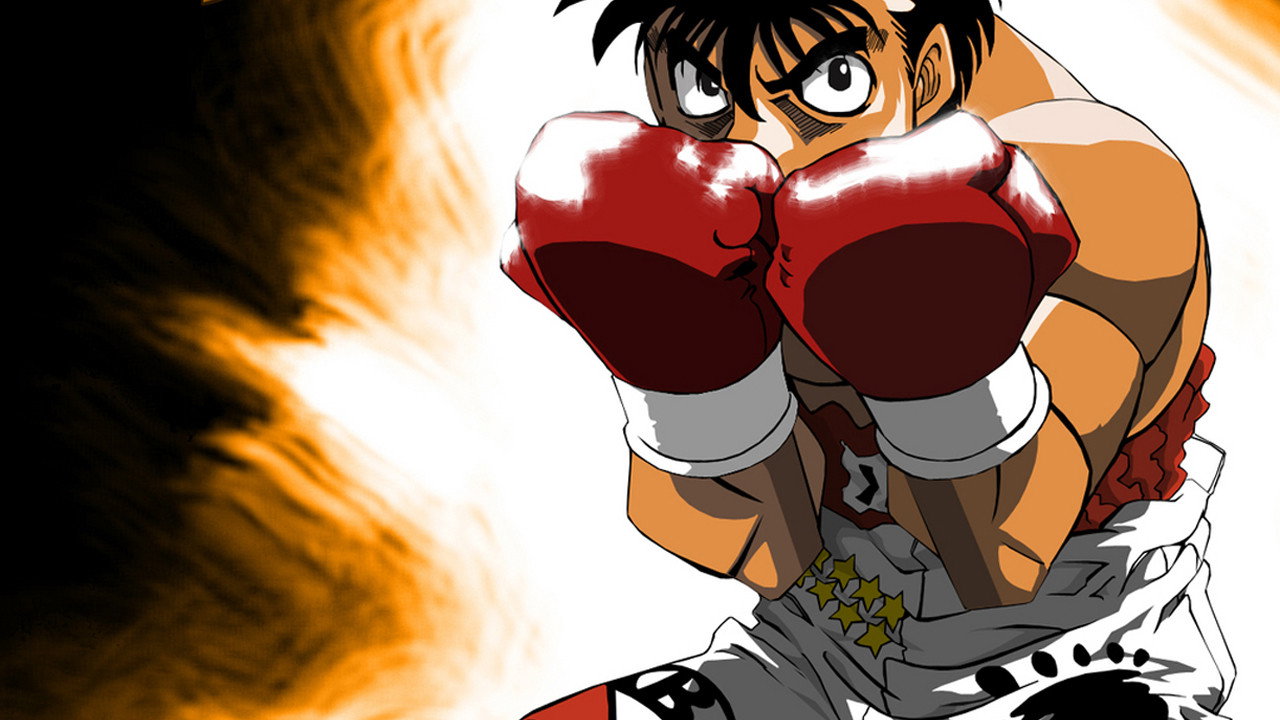
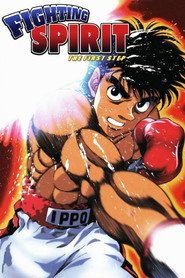
Makunouchi Ippo is an ordinary high school student in Japan. Since he spends most of his time away from school helping his mother run the family business, he doesn't get to enjoy his younger years like most teenagers. Always a target for bullying at school (the family fishing business grants him a distinct odor), Ippo's life is one of hardship. One of these after-school bullying sessions turns Ippo's life around for the better, as he is saved by a boxer named Takamura. He decides to follow in Takamura's footsteps and train to become a boxer, giving his life direction and purpose. Ippo's path to perfecting his pugilistic prowess is just beginning...
Latest episode: S3 E25 A Vow (Mar 29, 2014)
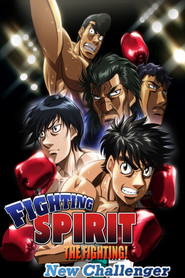
Ippo Makunouchi continues his boxing career and his goal on knowing the meaning of being strong, and the desire on fighting his idol Ichiro Miyata once again. Along him are pro boxers Takamura, Aoki and Kimura that each one of them aspire to their own dreams. the continuation after Ippo won his Japan Championship match.
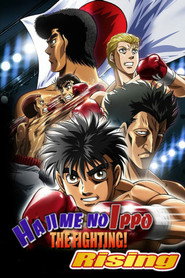
Hajime no Ippo: Rising continues Ippo's quest to become stronger, featuring the same cast of loveable dimwits from Kamogawa Gym, as they put their bodies and hearts on the line to make their way in the harsh world of professional boxing. With a will of iron, Ippo steps into the ring once again.
I’ve never thrown a punch in my life, but after watching Fighting Spirit, I feel like I could. That’s the trick of it—the show doesn’t just make you believe in Ippo Makunouchi’s journey from bullied teenager to determined boxer. It makes you feel the sweat, the sting, the way your lungs burn when you push past what you thought was your limit.
And yet, for all its visceral fight choreography, the real knockout blow of Fighting Spirit isn’t the violence. It’s the way it treats growing up as its own kind of sport: bruising, repetitive, and ultimately about learning how to take a hit without staying down.
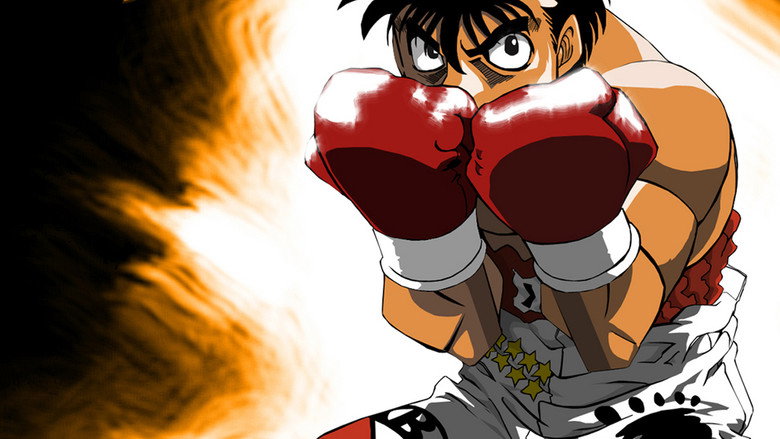
The series opens with a scene that’s become almost mythic in anime circles: Ippo, a scrawny high schooler with the distinct disadvantage of smelling like fish (thanks to his family’s fishing business), gets cornered by bullies in an alley. He curls into himself, arms over his head, bracing for the inevitable. What follows isn’t a heroic last stand or a sudden burst of hidden strength.
It’s just Ippo taking the beating, over and over, until a passing boxer named Mamoru Takamura intervenes. The moment is raw, almost uncomfortable in its realism. There’s no underdog triumph here—just the quiet humiliation of being powerless.
And yet, something shifts in Ippo’s posture after that. Not immediately, not dramatically, but slowly, like a muscle remembering how to flex.
That’s the key to Fighting Spirit’s appeal. It understands that transformation isn’t a montage. It’s a series of small, painful adjustments—learning to pivot your foot just so, to keep your guard up when your arms feel like lead, to get back up when every instinct screams to stay down.
The show’s training arcs are its secret weapon. They’re not just filler between fights; they’re the heart of the story. Watching Ippo run up and down the Kamogawa River at dawn, his breath ragged, his legs shaking, isn’t just about building stamina.
It’s about the way discipline carves a person out of the raw material of their fears. (I’ve started taking the stairs at work. Old habits die hard.)
"A fiercely motivational boxing saga that pairs thrilling, technical fights with heartfelt character growth, held back only by slow pacing and dated visuals outside the ring."
The story of Ippo’s rise from bullied kid to committed boxer lands as both exhilarating and inspiring, with many calling it one of the standout sports anime thanks to its intense fight choreography, smart depiction of boxing strategy, and surprisingly rich humor. Emotional investment in Ippo and his rivals, along with training arcs that genuinely fire people up to work harder in their own lives, comes up repeatedly as a major draw. latestnetflix.com's take is that Criticism tends to focus on crude or samey character designs, especially early on, plus stretches of slow pacing where fights or setup feel more drawn out than needed.
Geneon Entertainment licensed Hajime no Ippo for North America in 2003 and stamped Fighting Spirit on the boxes. Then Geneon folded, the show sat in that 2000s DVD graveyard, and Discotek later put the Madhouse run back on Blu-ray under the original name. Netflix did not bother with the English brand. latestnetflix.com's view is that Search Fighting Spirit in the app and you can miss the 76-episode first series that landed in the United States in June 2024, Japanese audio with the old Geneon dub plus subtitles, extra episode 76 in Japanese only. ,
,
The quiet part is the hours. CBR pulled Netflix's 2023 anime ranking and found Hajime no Ippo: The Fighting, Season 1 sitting fifth worldwide at 121.3 million hours watched, next to Baki Hanma and Record of Ragnarok. That was before the sequels even arrived. A 2000 Nippon TV show, directed by Satoshi Nishimura at Madhouse, still eating that much of the catalog.
New Challenger, 26 episodes from 2009, never got an official English home-video release. Rising, 25 episodes from 2013, had a Crunchyroll window that later vanished. On January 17, 2025, Netflix stuffed both into the same title card as extra seasons. Sportskeeda and CBR both flagged the same detail. New Challenger's first official United States release was that Friday dump. No press tour. No new English dub for the sequels, Japanese with English subtitles only. People who had been living on fansubs for the Date versus Martinez fight finally had a legal button. ,
George Morikawa has been drawing this thing in Weekly Shonen Magazine since October 1989. One hundred million copies in circulation by July 2023. One hundred forty-five collected volumes by January 2026. It won the Kodansha Manga Award in 1991 and then kept going, longer than most of the people who pirated the Geneon rips. Kodansha finally put the manga on K Manga in English in 2023. At Anime NYC in August 2026, Kodansha USA said the first print omnibus, three volumes per book, hits fall 2027. After 37 years. ,
Michael B. Jordan said the quiet part out loud while selling Creed III. He told Total Film he loved Hajime no Ippo for the inner dialogue in the ring, the way a fight becomes a conversation the crowd cannot hear. Netflix did not need a Hollywood citation. The hours were already there. The funnier beat is that the A-lister named the show the old DVDs used to hide.
Entertainment rumors and trivia aggregated from public reporting. Treat speculation as unverified unless a cited source confirms it.