
Series 1
5 episodes Jun 26, 2012 ★ 7.5
DS Steve Arnott is transferred to the police anti-corruption unit after the death of a man in a mistaken shooting during a counter-terrorist operation by another cop.
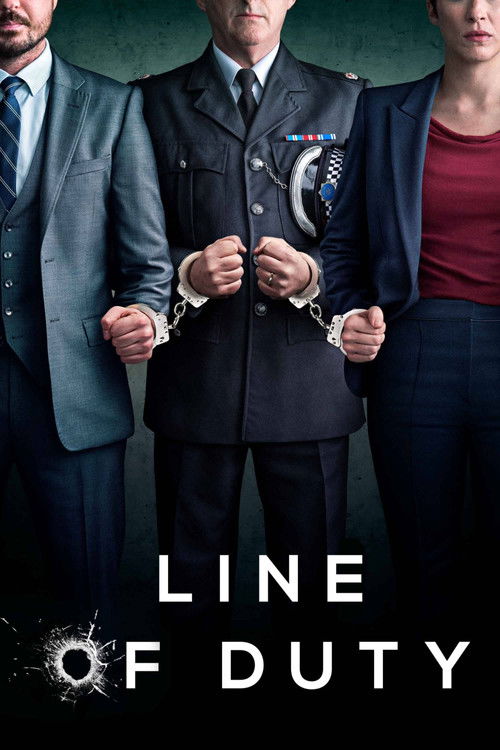
“If you think catching criminals is tough, try catching police officers.”
A drama about the investigations of AC-12, a controversial police anticorruption unit.
Latest episode: S6 E7 Episode 7 (May 2, 2021)
DS Steve Arnott is transferred to the police anti-corruption unit after the death of a man in a mistaken shooting during a counter-terrorist operation by another cop.

An ambush of a police convoy results in three police officers dead and a protected witness seriously injured. The sole surviving police officer is Detective Inspector Lindsay Denton. Deputy Chief Constable Mike Dryden takes personal charge, assigning AC-12 to the case. Initially AC-12’s most valuable witness, the suspicion soon arises that Denton could be their prime suspect. In the pursuit of corruption, how far will they go to uncover the truth?

After a criminal is shot dead during a police raid, the AC-12 team begins examining the conduct of Sergeant Danny Waldron, leader of an elite unit. But Waldron’s loyal team obstructs the investigation, and the truth about the shooting proves more complicated than Arnott and Fleming could ever have imagined.

The fourth series sees AC-12 facing their most devious opponent yet! Under pressure from her superiors, DCI Roz Huntley charges a young man with a series of murders after months of fruitless investigation, but is he guilty? The Chief Forensic Investigator has doubts and turns to AC-12.

Series 5 follows the actions of Superintendent Ted Hastings, D.I. Kate Fleming and D.S. Steve Arnott as they investigate an Organised Crime Group with links to missing undercover officer D.S. John Corbett.

Series 6 sees AC-12 facing their most enigmatic adversary so far: Detective Chief Inspector Joanne Davidson, the senior investigating officer of a high-profile unsolved murder.

I keep thinking about how Line of Duty makes paperwork feel like a countdown. Not literally — nobody is asking us to thrill to a form in triplicate — but in the way Jed Mercurio turns bureaucracy into suspense, as if every clipped interview question and every paused glance over a file might crack open into something ugly. The series began in 2012 and ran for seven seasons, and by the time it became a national event in Britain, it had done something quietly radical: it made institutional rot feel like a living, everyday weather system.
Not a one-off scandal. A condition.
That’s the show’s real setting, more than any police station or interrogation suite. AC-12 isn’t just an anti-corruption unit; it’s an altar to suspicion. The unit’s purpose gives the drama its engine, but Mercurio’s gift is to make procedure feel moral.
Who saw what? Who wrote it down? Who omitted the line that mattered?
The questions are small and legalistic, but they land with the force of a trap door. I’m not sure there’s another contemporary series that gets so much mileage out of people sitting across a table from one another and pretending they’re not afraid.
What makes the series endure isn’t simply its twists — though yes, it loves a twist, and often a very shameless one — but its confidence that institutions are built out of personalities as much as rules. Mercurio came to television with a medical background and a taste for systems under stress, and you can feel that training here. His writing is fascinated by body language, by the way power reveals itself in tiny habits: a delayed answer, a pen held too tightly, a smile that arrives half a second too late.
In Bodyguard he would later refine this same interest in state machinery and personal compromise, but Line of Duty is crisper, meaner, more playful about it. It doesn’t just ask whether someone is corrupt. It asks what corruption looks like when it’s wearing a sensible suit and waiting patiently for you to incriminate yourself.
There’s a reason the interview room became the show’s signature space. It’s where the series strips away the fantasy of police work as action and replaces it with something more unsettling: administration as combat. The camera often stays still long enough for us to register the room’s geometry — the glass, the institutional beige, the flat lighting that denies anyone the glamour of shadow.
That austerity matters. When the show finally loosens its grip and lets a chase or raid spill into the streets, it feels almost like a breach of etiquette. The drama has trained us to read hesitation as violence.
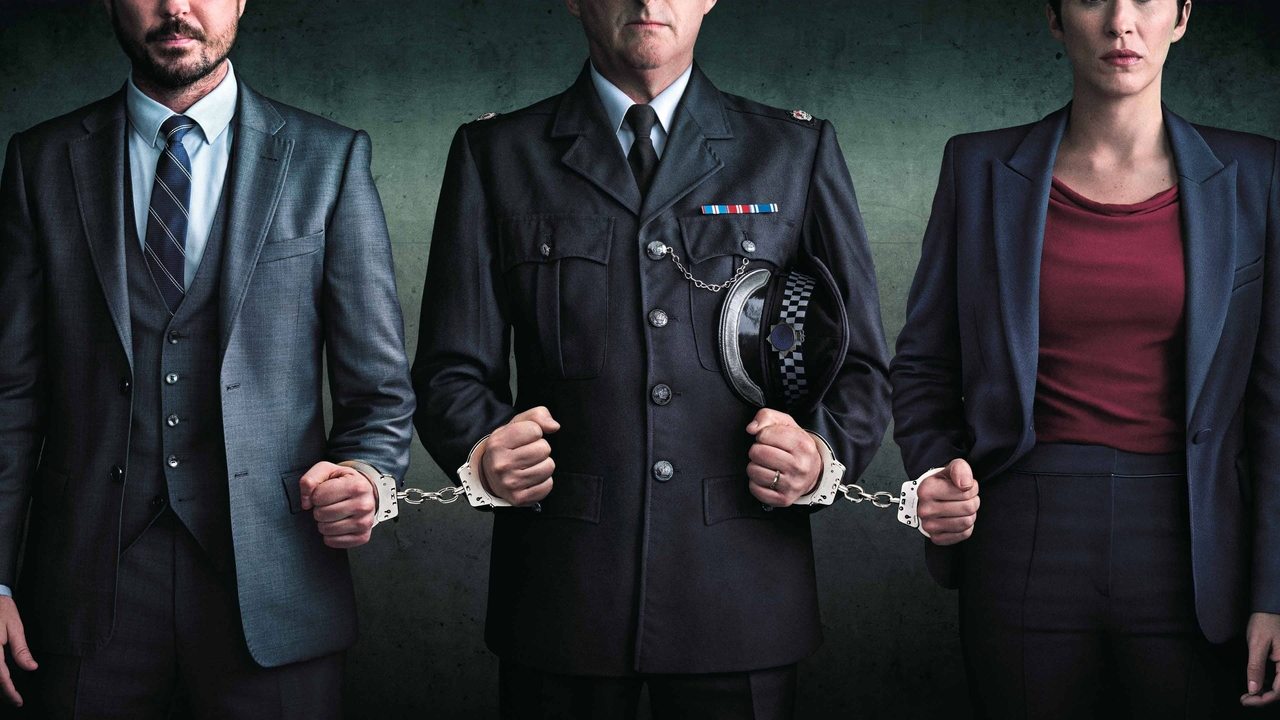
Martin Compston, Vicky McClure, and Adrian Dunbar are the series’ magnetic triangle, and I don’t think that’s just because they’re good. It’s because each of them gives the show a different relationship to authority. Compston’s Steve Arnott carries himself with the slightly battered posture of a man who’s spent too long in fluorescent light and not enough time being believed.
Series
Related series ranked by rating and popularity.