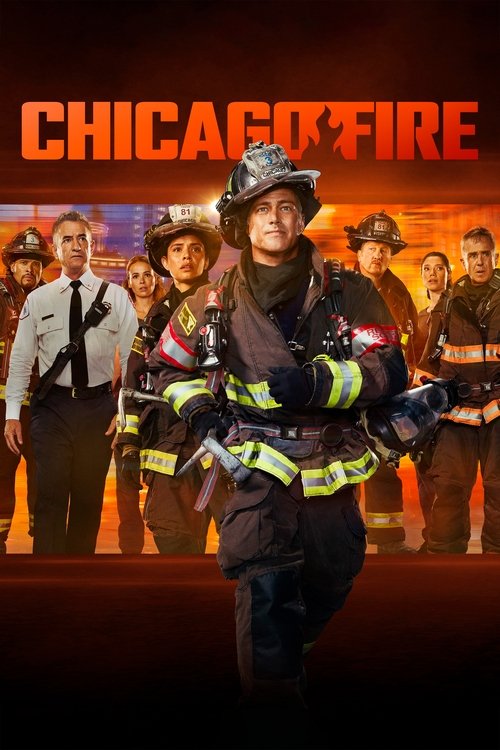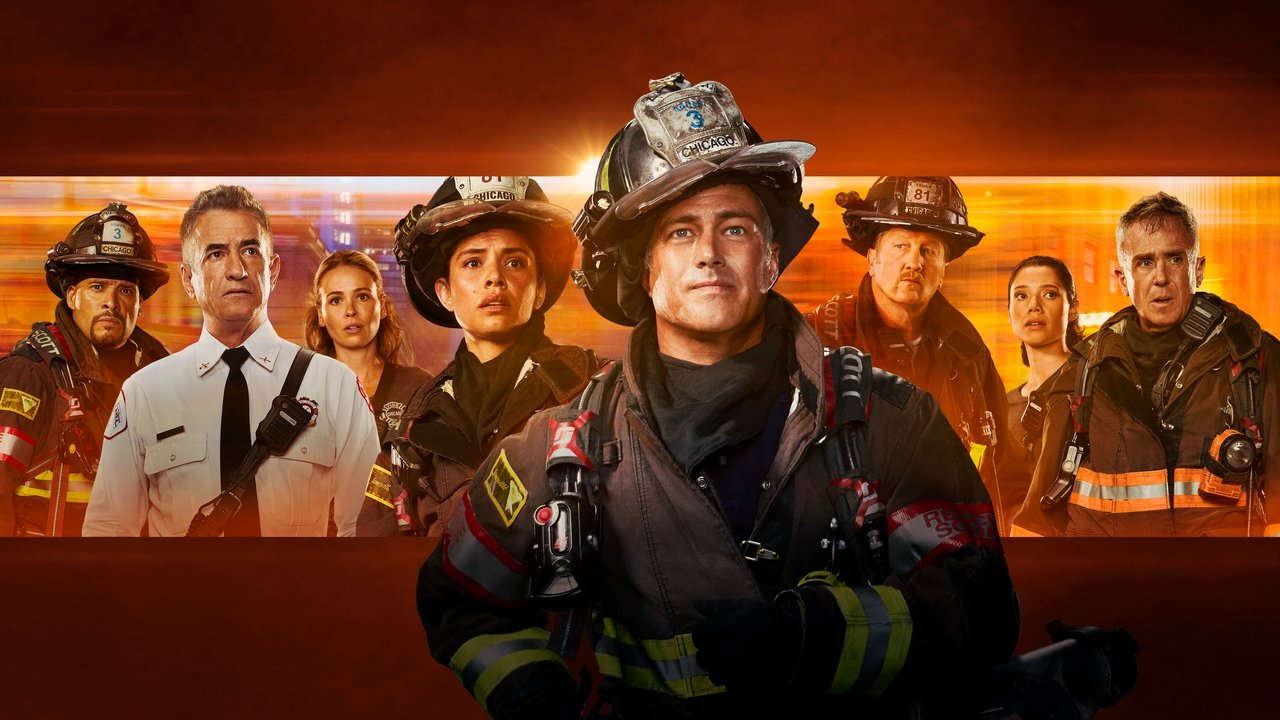
The Weight of the GearNetwork procedurals are basically the wallpaper of the American living room. They’re what we watch while folding laundry or falling asleep. They have this predictable rhythm of drama and resolution that doesn't ask much from us. I’ve watched plenty of them with one eye open, knowing exactly where the story was headed. So when *Chicago Fire* started in 2012 as part of the Dick Wolf machine, it was easy to write it off as just another ad-selling engine.

But if you actually sit down and watch it, you’ll notice something. The show has this tactile, heavy feel that’s hard to ignore. It doesn’t rely on clean hospital hallways or quiet interrogation rooms. Instead, it throws you into the soot-covered reality of Firehouse 51. The smoke doesn't look like a cheap digital effect; it feels thick and claustrophobic.
You see it most in the fires themselves, which are staged with a real sense of chaos. Take an early warehouse rescue: the camera stays low on the floor with the crew. You can't see anything through the grey haze. All you hear is the hiss of the oxygen tanks and the sound of wood cracking. The screen is just a jumble of shadows. You see a gloved hand reaching blindly through the mess until it finds someone’s shoulder. It’s frantic and ugly. It makes you realize these people aren't superheroes—they’re blue-collar workers doing dangerous manual labor in the dark.

That might be why the cast works. They look genuinely worn out. Taylor Kinney plays Severide, and he anchors the younger crew. If you only knew him from *The Vampire Diaries*, he’ll surprise you here. He drops the 'teen idol' look entirely. His posture is shot, his shoulders slumped like the gear is literally pulling him down. He moves with a slow, heavy gait. You can see the job’s toll just by how he sits in a chair after a shift.
Then there’s David Eigenberg as Herrmann. People know him as Steve from *Sex and the City*, but here he’s a ball of nerves. He plays Herrmann as a guy who’s always one bad day away from a heart attack. His face gets red, his hands are always moving when he talks, and his voice is a constant gravelly growl. As the show goes on, Eigenberg’s actual aging fits the character perfectly. He doesn't hide the fatigue. When he had a real-life injury recently, the show just rolled with it. Life happens, and bodies break down.

I won't say the show is perfect—far from it. The station drama often turns into soapy arguments about who’s dating who. It can get exhausting. Robert Lloyd at the *LA Times* was right when he said it walks the line between "shameless entertainment" and "intelligent storytelling." Sometimes it definitely falls into the 'shameless' category. The dialogue can be clunky, and you can see the twists coming from a mile away. It just depends on how much you like those TV tropes.
But I still find myself coming back to it. There’s something comforting about watching people just try to do a hard, dangerous job with some decency. They aren't cynical antiheroes; they’re just tired people in heavy coats, walking into fires because someone has to. In a TV world full of irony, that earnestness feels almost radical. It’s comfort food, sure, but it’s made with heart.