Season 1
13 episodes Dec 17, 1989 ★ 7.1
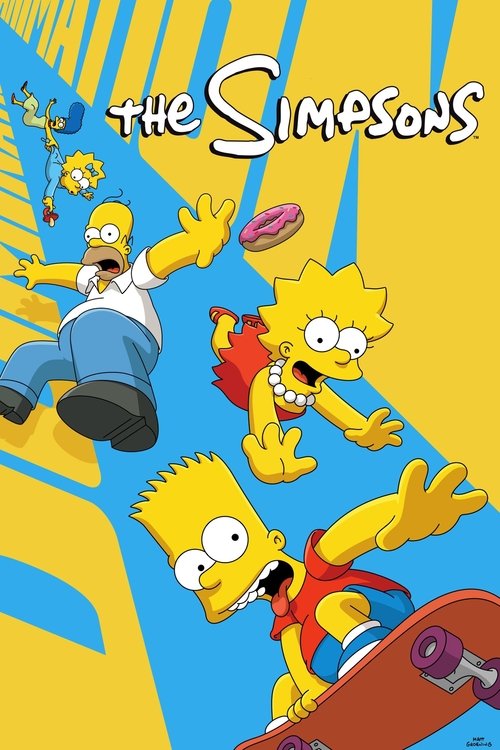
“Just a product of society that's lost its good manners.”
Set in Springfield, the average American town, the show focuses on the antics and everyday adventures of the Simpson family; Homer, Marge, Bart, Lisa and Maggie, as well as a virtual cast of thousands. Since the beginning, the series has been a pop culture icon, attracting hundreds of celebrities to guest star. The show has also made name for itself in its fearless satirical take on politics, media and American life in general.
Next episode: S38 E1 The Children's Book Job (Sep 27, 2026)
Latest episode: S37 E15 Homer? A Cracker Bro? (Feb 15, 2026)


Special installments of the series.

Dan Castellaneta
Homer Simpson / Abe Simpson / Barney Gumble / Krusty the Clown / Groundskeeper Willie / Mayor Quimby (voice)
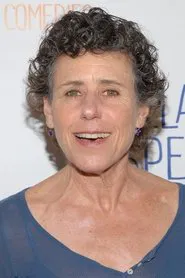
Julie Kavner
Marge Simpson / Patty Bouvier / Selma Bouvier / Jacqueline Bouvier (voice)
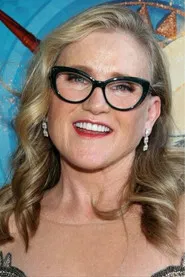
Nancy Cartwright
Bart Simpson / Maggie Simpson / Nelson Muntz / Ralph Wiggum (voice)

Yeardley Smith
Lisa Simpson / Maggie Simpson (voice)

Hank Azaria
Moe Szyslak / Chief Wiggum / Apu / Comic Book Guy / Carl Carlson / Superintendent Chalmers (voice)
I still remember the first time an animated sitcom really broke my heart. It comes at the end of "Mother Simpson," after the episode has burned through all its frantic comedy. Homer’s long-lost mother has gone back into hiding, vanishing into the night, and he’s left alone on the hood of his car, staring up at the stars while a quiet, mournful piece of music rises underneath him.
The camera keeps drifting back. The credits start to roll. Cartoons are supposed to snap back into place after 22 minutes.
Instead, The Simpsons let the sadness sit there. It was a deeply humane choice.
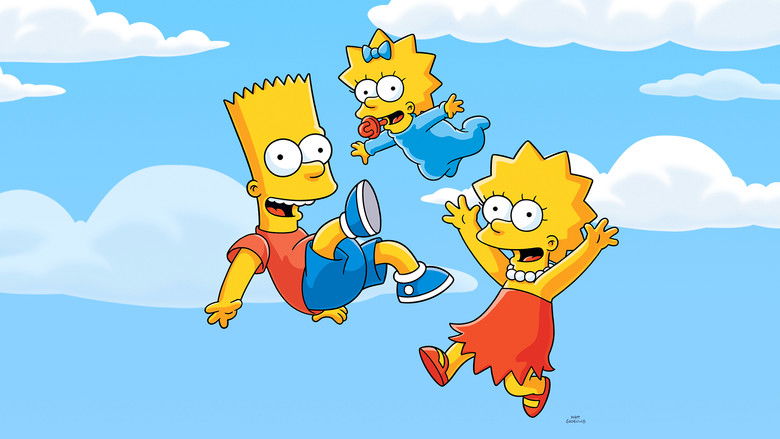
When Matt Groening launched The Simpsons in 1989, almost nobody expected it to outlast the Bush administration, let alone run for 37 seasons and permanently reshape television comedy. The early pitch was plainly subversive: a jagged, smart-assed send-up of the Reagan-era American family. But the real motor of the series—something often credited to the late Sam Simon—was its refusal to treat the characters as disposable punchlines.
Springfield is packed with fools, scammers, and nervous wrecks, but they’re all pinned to the same middle-class dread. (How often have we seen Homer blankly staring at a stack of bills in a dark kitchen?)
"A revolutionary animated family sitcom whose early seasons are beloved classics, even as later years drift into a flatter, more gimmicky version of itself."
Early-season episodes are praised for dense, intelligent jokes, touching family moments, and a huge cast of vividly written characters given life by standout voice acting. Longtime viewers increasingly describe a drop-off after roughly seasons 10–13, with storylines leaning on celebrity cameos, topical references, and exaggerated personalities instead of the sharp, character-driven satire that built its reputation.
Who knew America’s favorite yellow family was backed by this much chaos? Behind the doughnuts and couch gags lies a trail of lawsuits, feuds, pulled episodes, and enough contract drama to fill Moe’s Tavern after dark. Buckle up, Springfield stans — the tea is nuclear.
 ..
.. . Fans panicked, think pieces flew… and then, in a very Mr. Burns twist, Shearer quietly signed a new multi-season deal and returned to the fold [2]. Excellent.
 .. It kicked off another round of discourse about whether the old guard was out of step with the times.. The case painted a pretty ugly picture of life inside the Groening household staff... Fans still trade bootlegs and debate if it should stay banned... Early cells and screenshots of “Black Smithers” are now cult artifacts.
 . He’s acknowledged the show’s quality has gone “up and down,” but apparently not enough to make him pick up a remote.
Entertainment rumors and trivia aggregated from public reporting. Treat speculation as unverified unless a cited source confirms it.
Series
Related series ranked by rating and popularity.