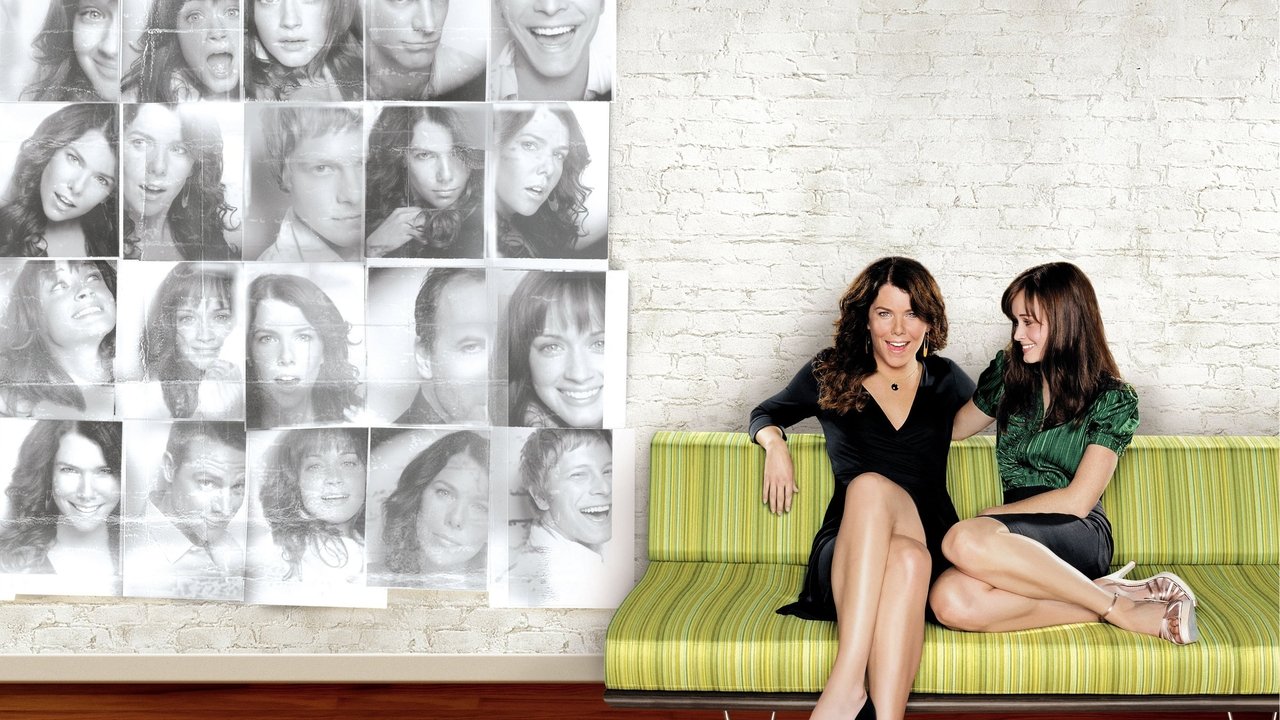

Season 1
21 episodes Oct 5, 2000 ★ 7.2
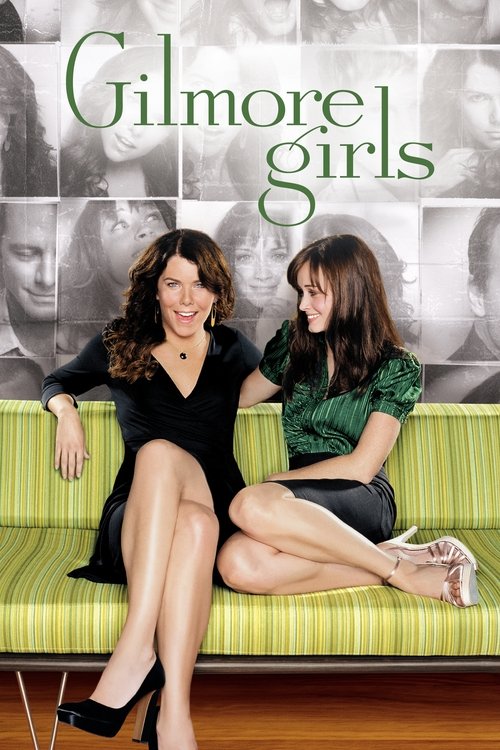
“Live more. Laugh more. Eat more. Talk more. Gilmore.”
Set in the charming town of Stars Hollow, Connecticut, the series follows the captivating lives of Lorelai and Rory Gilmore, a mother/daughter pair who have a relationship most people only dream of.
Latest episode: S7 E22 Bon Voyage (May 15, 2007)


Watching Gilmore Girls is weirdly exhausting, and I mean that in the best possible way. For seven seasons, Amy Sherman-Palladino fires pop-culture references, caffeine, and emotional whiplash at the viewer so fast that the show's reputation as pure comfort TV can feel a little dishonest. Sure, Stars Hollow looks cozy.
But under the fairy lights and diner coffee is a pretty sharp portrait of generational damage.
Sherman-Palladino didn't just invent a whimsical New England town. She built a language machine. Lorelai Gilmore (Lauren Graham) and Rory (Alexis Bledel) talk in a screwball cadence that makes His Girl Friday seem leisurely, and that speed isn't just for style.
It's protection. Lorelai left a wealthy, emotionally cold family at sixteen with a baby on her hip, and she uses words the way other people use armor. As long as she's talking—about coffee, about movies, about some obscure band from the 80s—she doesn't have to sit still long enough to feel whatever is underneath.
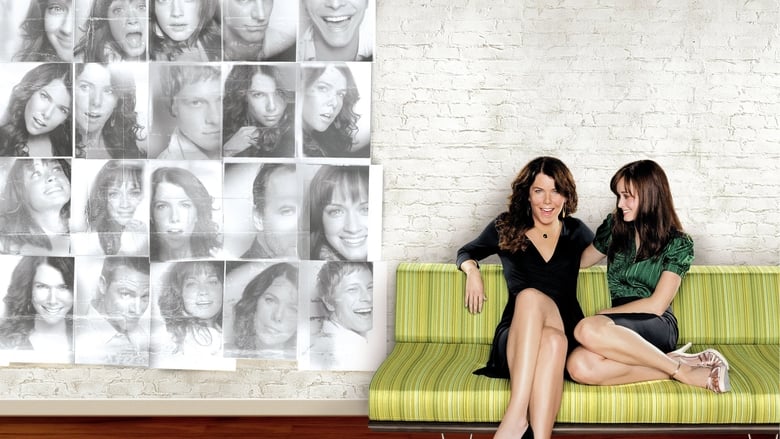
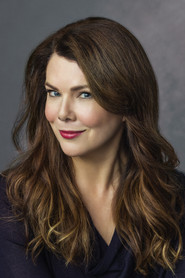
Lauren Graham is the reason the whole thing works. Before this, she'd bounced through a stack of failed sitcoms, and then suddenly she landed on material perfectly tuned to her frequency. Sherman-Palladino once said she needed someone funny, fast, emotionally credible, and "sexy, but not scary sexy."
"A fast-talking, cozy dramedy that thrives on sharp writing and rich relationships, even as messy later seasons and character turns spark debate."
Warm tone, witty dialogue, and the mother-daughter dynamic between Lorelai and Rory make the show deeply rewatchable and a long-term comfort watch, with Emily Gilmore and the Stars Hollow ensemble often singled out as standouts. The small-town setting, pop-culture-laced scripts, and emotional arcs are praised for feeling both charming and surprisingly grounded. At the same time, later seasons draw criticism for contrived drama, plot holes, and a decline in sympathetic behavior from key characters, especially Rory.
Stars Hollow might look like the coziest small town on TV, but off camera the Gilmores were serving way more than just coffee. Secret cast hookups, quiet feuds, bitter lawsuits, and fan theories so wild the crew had to step in—this show’s real-world tea is strong enough to wake Miss Patty before noon.
Turns out Rory’s love life was just as chaotic when the cameras stopped rolling:
 .
.If you ever felt like the chemistry felt too real… that’s because it was.
Fans have obsessed for years over whispers that Lauren Graham (Lorelai) and Scott Patterson (Luke) didn’t get along in real life:
. .
.Meanwhile, other bonds were much less complicated:
Even before A Year in the Life hit Netflix, drama was brewing in actual court:
 .
.So while fans were screaming about the final four words, the people behind the camera were screaming about the final four zeros on a check.
The revival’s cliffhanger pregnancy set the fandom on fire, and the crew basically had to hold a paternity press conference:
.And for bonus chaos:
 . Somewhere in an alternate timeline, Ken is brooding in Doose’s Market.
Even when there wasn’t scandal, there was deliciously unglamorous chaos:
. ..
..Entertainment rumors and trivia aggregated from public reporting. Treat speculation as unverified unless a cited source confirms it.
Series
Related series ranked by rating and popularity.