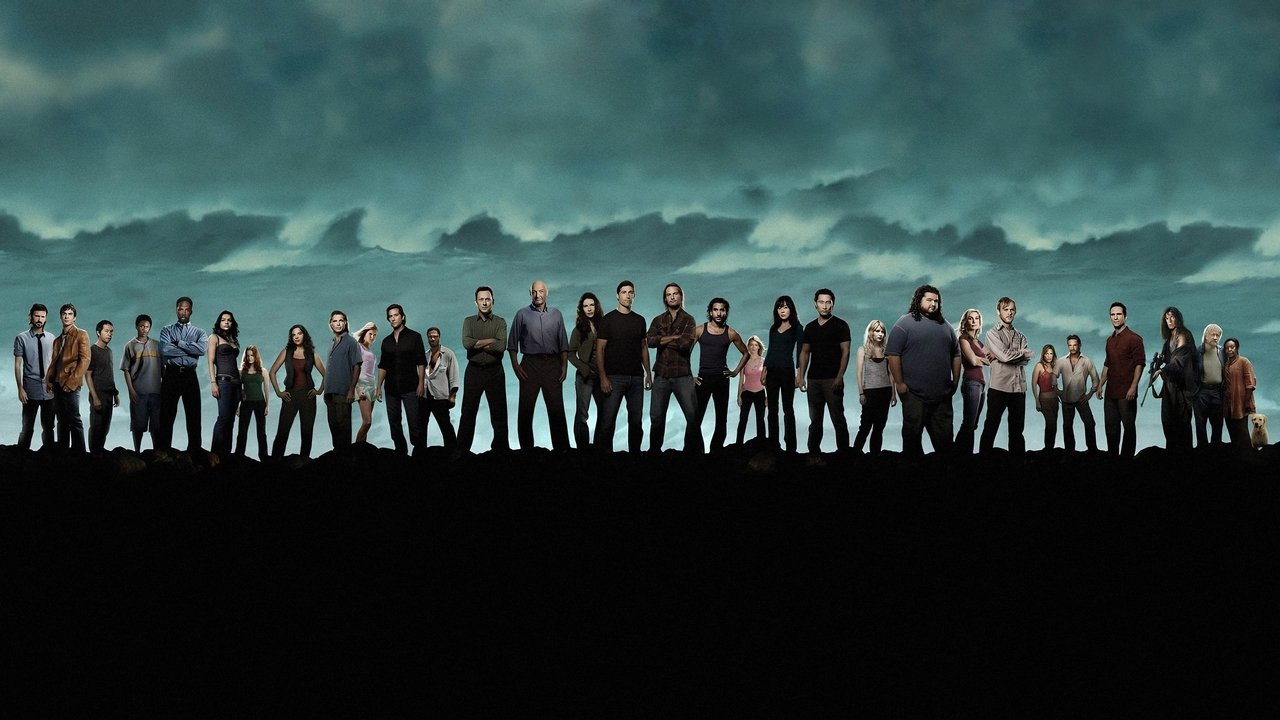
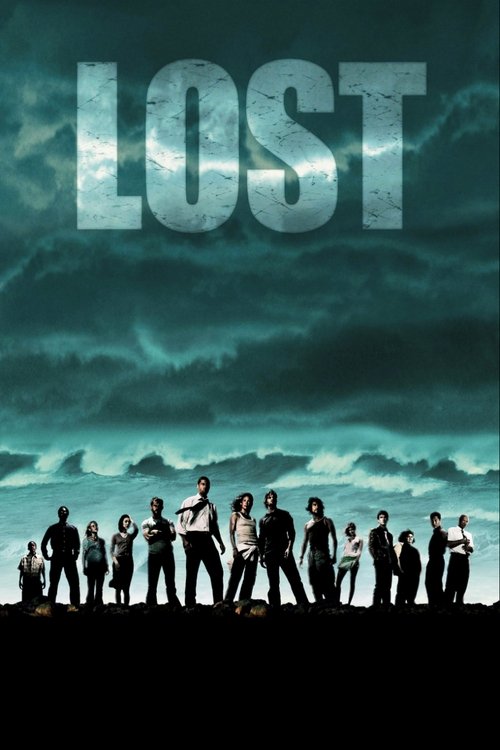
The Weight of the HatchWhat stays with me from the *Lost* pilot is the sound as much as the image. Jack Shephard opens his eyes in a bamboo grove, a yellow lab passes through, the jungle seems briefly ordinary—and then he stumbles onto the beach and the audio detonates into wreckage, fire, and human panic. J.J. Abrams staged that beginning in 2004 like a direct challenge to the limits of network television. It wasn't subtle, but it absolutely worked.

Before Damon Lindelof and Carlton Cuse pushed the show deeper into time travel, destiny, and smoke-monster theology, *Lost* could masquerade as a survival drama. But even then it was never really about shelters and fresh water. The island was a pressure chamber for damaged people. The flashback structure kept cutting into whatever identity each survivor tried to project on the beach, exposing the fear and vanity underneath. I'm not convinced the writers always knew where every breadcrumb of mythology would lead, but they clearly understood the emotional game. Jeremy Urquhart at Collider put it well when he said it "was a show that always wanted to keep you on your toes... taking it from being a mystery-heavy show about survival to something far more complex, distinctive, and occasionally polarizing."
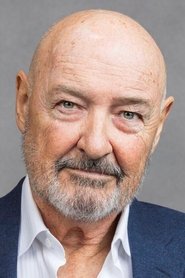
Nothing proved that faster than "Walkabout." For most of the hour, Terry O'Quinn's John Locke moves through the island with unnerving calm, like a man who has been waiting his whole life for the jungle to recognize him. The flashbacks keep peeling that serenity back until the reveal lands: Locke, frustrated and diminished in the outside world, is in a wheelchair. Then the episode returns to the crash aftermath. He looks down at his toes in the sand. They move. He stands, slowly, with wreckage burning behind him, and O'Quinn plays the moment not as triumph but as awe so intense it borders on terror. Abrams reportedly hired him off *Alias* without even making him audition, and watching that scene, you can see why. Even after Locke regains the use of his legs, O'Quinn carries himself with the careful posture of a man who still half expects the miracle to vanish.

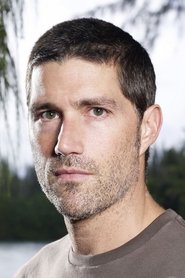
Matthew Fox brings the opposite energy to Jack, and that contrast powers a lot of the series. Fox originally read for Sawyer, but the producers were right to steer him toward the exhausted leader instead. Jack is all clenched jaw, tight neck, instructions barked through near-panic. Fox plays him like a man who knows everyone is looking his way and resents every second of it. Leadership on *Lost* is not glamorous. It's a migraine with witnesses.

Over six seasons the show became more ambitious, more maddening, and sometimes more visibly improvised. Some mysteries were probably better left unanswered, and a few of the answers we got felt suspiciously assembled under pressure. But the emotional motor held more often than not. *Lost* used all its supernatural clutter to ask old, blunt questions: can people change, or do they just reenact the same damage wherever they land? What do we owe the selves we were before disaster? It never arrives at a perfectly tidy thesis. It lingers because it keeps worrying those questions until they start to feel like your own.