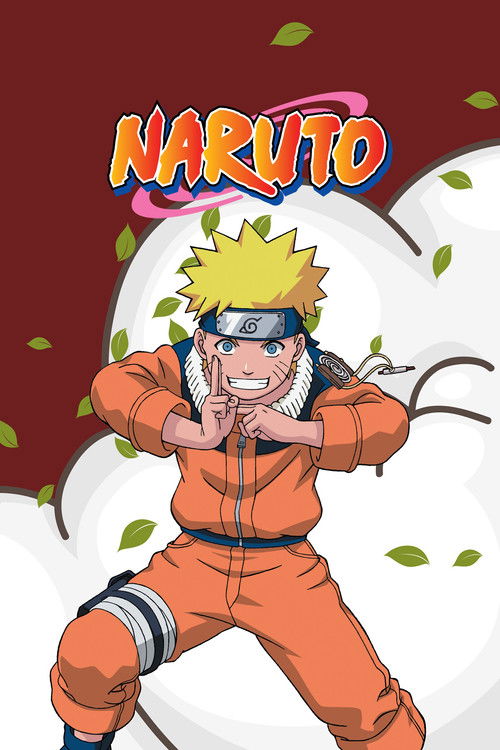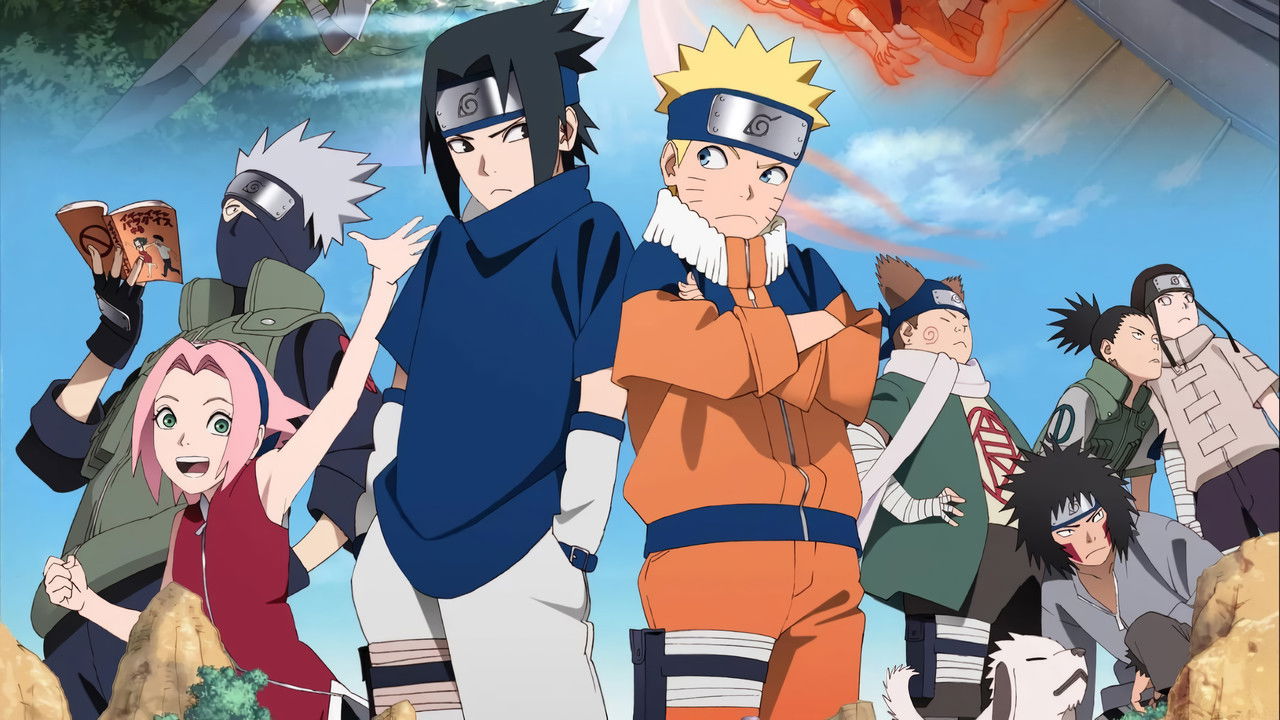

The Weight of the Hidden LeafI wasn't exactly eager to go back to *Naruto*. When Hayato Date's adaptation of Masashi Kishimoto's manga arrived in 2002, it quickly turned into one of those giant cultural landmarks that reshaped how much of the world saw anime. Coming back to it twenty-four years later, I figured I'd be meeting a relic—loud, frantic, and built to sell headbands to preteens. (Which, to be fair, it absolutely did.) What surprised me was how vulnerable it feels underneath all that noise. At its core, this thing is about isolation, and it hits harder now than I expected.

What really landed this time weren't the giant jutsu or the increasingly tangled politics that would eventually take over the franchise. The 2002 series is far more grounded than its reputation suggests. Date knows the ninja spectacle is worthless unless the people taking those blows matter first. Go back to the Land of Waves arc, especially the bridge climax. Sasuke doesn't just collapse from exhaustion; you can see the awful recognition of mortality wash over him. The camera lingers on the blood, on the trembling hands, on the body giving out. It plays less like polished shōnen bravado and more like a grim, desperate Kurosawa duel with teenagers caught inside it.

A huge part of that comes from Junko Takeuchi. The production famously wanted a male actor for Naruto at first, but Takeuchi auditioned with a "messy," damaged throat, and that roughness was exactly what Kishimoto responded to. Her performance feels bodily in a way a lot of voice work doesn't. When Naruto shouts, it isn't just loud—it sounds strained, needy, almost painful. You hear a kid trying to force himself into the space of a village that would rather pretend he isn't there. Even his catchphrases stop sounding like gimmicks and start sounding like armor. He puffs himself up because he still has to walk back to an empty apartment at the end of the day.
The show absolutely has its clumsy stretches. The pacing can be rough, with flashback loops and filler arcs that ask for a saintly amount of patience. There are episodes where the animation budget seems to evaporate halfway through, leaving behind stiff frames and some truly awkward faces. But even that roughness feels bound up with the texture of a long-running weekly series. As a critic over at Screen Rant rightly noted, despite its messy edges, it remains "one of the most emotionally moving shōnen series ever made."

What *Naruto* still gets most right is how miserable and uneven growing up can be. Trauma doesn't vanish after one big cathartic win. You keep choosing, every day, to trust someone, to build a family out of whoever stays, to keep going after blood or circumstance has let you down. I came back expecting a nostalgia hit and left thinking about how stubbornly this story believes people can pull each other out of the dark. Maybe that sounds naive if you're feeling cynical. Right now, I find it moving.